Downtown – Haddon Heights, New Jersey

Isaac Kremer/ July 3, 2018/ downtown, Economic, Field Notes, Local Food, Physical, placemaking, Social, storefront, streetscape, wayfinding/ 0 comments

This plat map reads more like a polished marketing piece:

We have the choicest home sites in Haddon Heights. All of our property consists of high rolling ground, beautifully situated. Note central location of our tract, close proximity to Railroad Station & Trolley line, also nearness to schools, churches, stores, main thoroughfares, Town Hall & National Bank. In suburban places these considerations have important bearing on the Appreciation of Values. Get the best while it can be procured. No city convenience is lacking here. We have gas, electricity, and the purest drinking water; excellent transportation facilities, cement sidewalks, macadam and gravel roads. Haddon Heights is the prettiest and most conveniently located residential suburb near Philadelphia. The climate is Delightfull (sic.), the surroundings are perfect.

Another marker recounted the role of the railroad in the formation of Haddon Heights that began in 1877 with the construction of the Philadelphia and Atlantic City Railroad that passed through the area. In 1890, Benjamin A. Lippincott was given permission by the railroad to construct a passenger station here on his land, and construction of a freight storage station followed in 1906. The establishment of commuter railroad lines to Philadelphia and construction of the passenger station contributed to the development of the town. Lippincott and other property owners around the railroad station began to subdivided their land, leading to the growth of the community and the incorporation of the Borough of Haddon Heights. Rail passenger service ended in 1965, though the tracks are still used to service freight trains.

The railroad station has a gable end with a hipped roof wrapping around each of the gable ends to provide shelter for commuters below. A hipped roof dormer with four twelve-over-one windows breaks up the sizable roof plain and makes the second floor space more usable.

Some of the older buildings, like this one at 200 Haddon Avenue have been insensitively updated losing their historic features.

This building which was a PNC Bank at the time of our visit had three round arched windows on the front and four on the side. Above the denticulated cornice is parapet with open balustrade in three divisions mirroring the windows beneath. The Main Entrance has fluted Doric columns to either side supporting an entablature and a balconette for the arched window above.

Local Links Market Cafe

We were greeted with a cheerful exterior with open ended awning that covered a small outdoor dining area, a sign with gooseneck lights, and an effort at some plantings providing a buffer against the busy street. From there some of the details got lost. We went in hoping they made sausage, but quickly discovered they were a coffee place. The front door had a bunch of stickers and the messaging “Locally Roasted Coffee” where the business name and logo should have been. To the left of the door was the positioning of the cafe highlighting different types of food, “made in house” and “locally sourced.”

Inside of the store read similar to the outside with a lot of competing products and messaging. The cash wrap and menu board were clear enough, but they were surrounded by too much “stuff” and there was not clear organization.

The Rhythm Brews Festival brought together local bands and local beers, a classic pairing.

John’s Family Market has fresh produce on the sidewalk, similar to what one might find at a city market. The sign marking the store, while large, is in the proper location in the fascia above the awning. It has detailing and coloring to give it visual interest. The coordination of colors with the awning below further activates this building and makes the store stand out.

Other Notable Storefronts and Features

Haddon Piano Studio, while being an educational business, has made an effort to activate their storefront. The miniature piano is a literal reference. Reproductions of portraits of composers is less impactful, though still on theme. The plaque, “Haddon Piano School Hits All The Right Notes,” while quaint, does not create an emotional connection to the business either with message or the panel it is presented on. Finally, the baseballs are just curious to have. The front door also lacks a logo at eye level.

Station House Restaurant is in this handsome arched window storefront. An effort is made to provide plantings at eye level for people sitting indoors, though there are too few plants of insufficient heights. Water also drips on to the sidewalk from the planter, taking nutrients from the soil with it.

Candy Corner with their corner location, canted entrance, and heavy overhanging fixed canopy with soffit lights is visually distinct, while also blending nicely with the rest of the building through a similar color palette. The differing colors on the first and second floors help to visually separate the ground floor business from the upper floor apartment.

These plants on the sidewalk are both functional, being on rollers allowing them to be moved in and outside, and practical, ensuring all plants get access to sun and can drain properly.

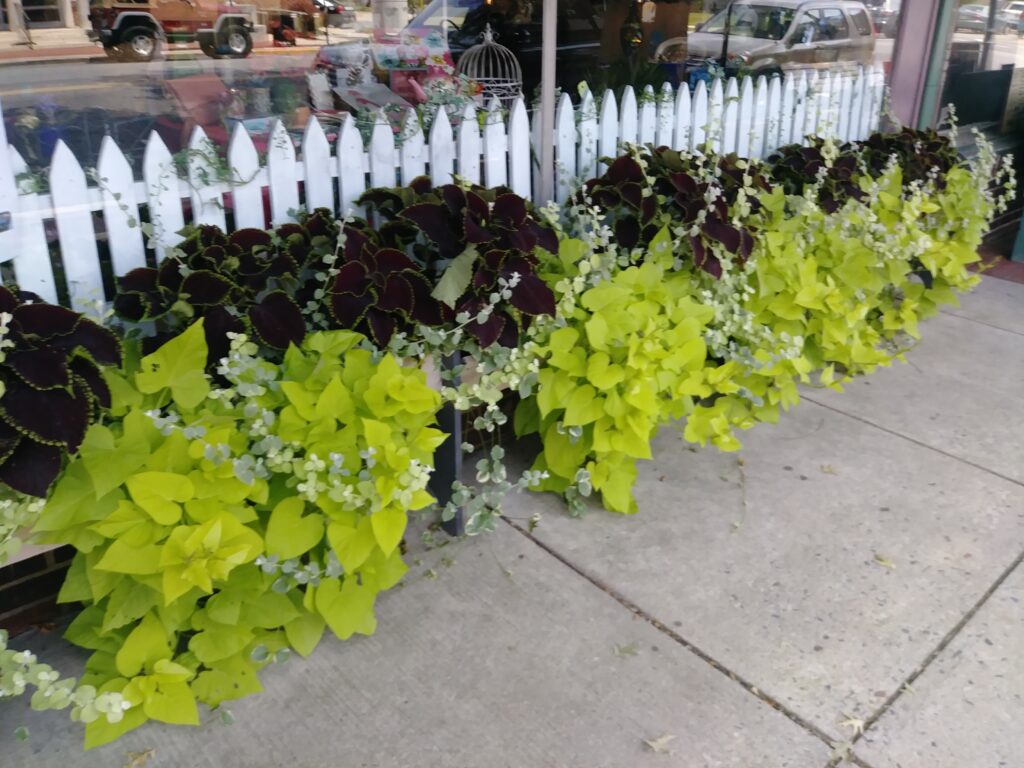
These plants effectively transition from the display windows of the building behind them to the street and sidewalk. The varied color, texture, and heights make them interesting to look at.

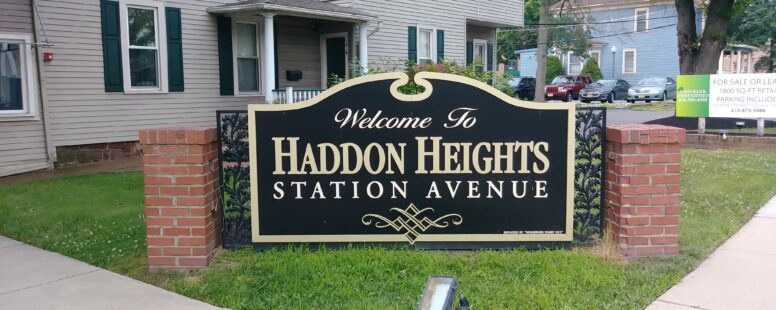
One final photo is of this gateway signage, welcoming people to Haddon Heights. The distinctive text, ornamental railing and brick piers give a sense of permanence. The floodlight at its base appears to have been broken, somewhat limiting the visual impact and effect.

Share this Post

About Isaac Kremer

IsaacKremer.com is the personal website of Isaac Kremer, MSARP, a nationally recognized leader in the Main Street Approach to commercial district revitalization with over 25 years of experience. Kremer, New Jersey's first certified Main Street America Revitalization Professional (MSARP), has served as founding executive director for organizations like Experience Princeton and the Metuchen Downtown Alliance, which won a Great American Main Street Award under his leadership. He recently became director of the Royal Oak Downtown Development Authority in Michigan.

Leave a Comment

Your email address will not be published. Required fields are marked *

*
*

This site uses Akismet to reduce spam. Learn how your comment data is processed.