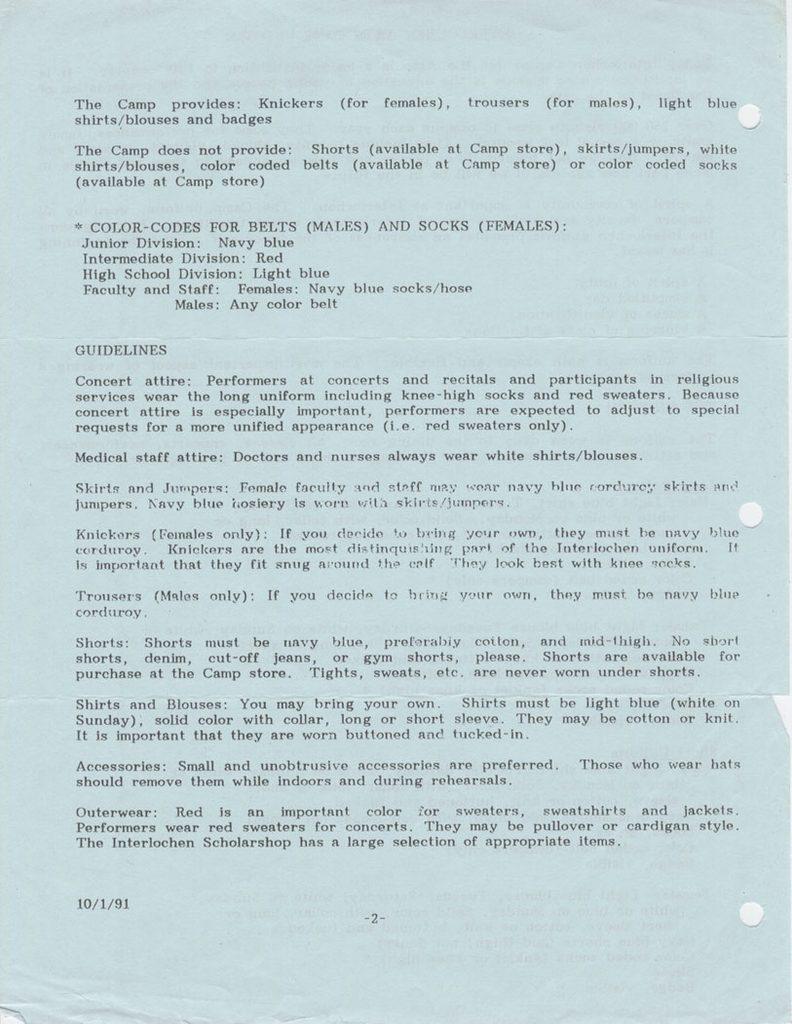
Interlochen Arts Camp – Interlochen, Michigan (1993)


In 1993 I had the good fortune to attend Interlochen for an eight week summer session. I majored in Theater Tech but also had lessons in French Horn.

One of the first activities was to design a flag for our Intermediate Boys, Cabin 11.

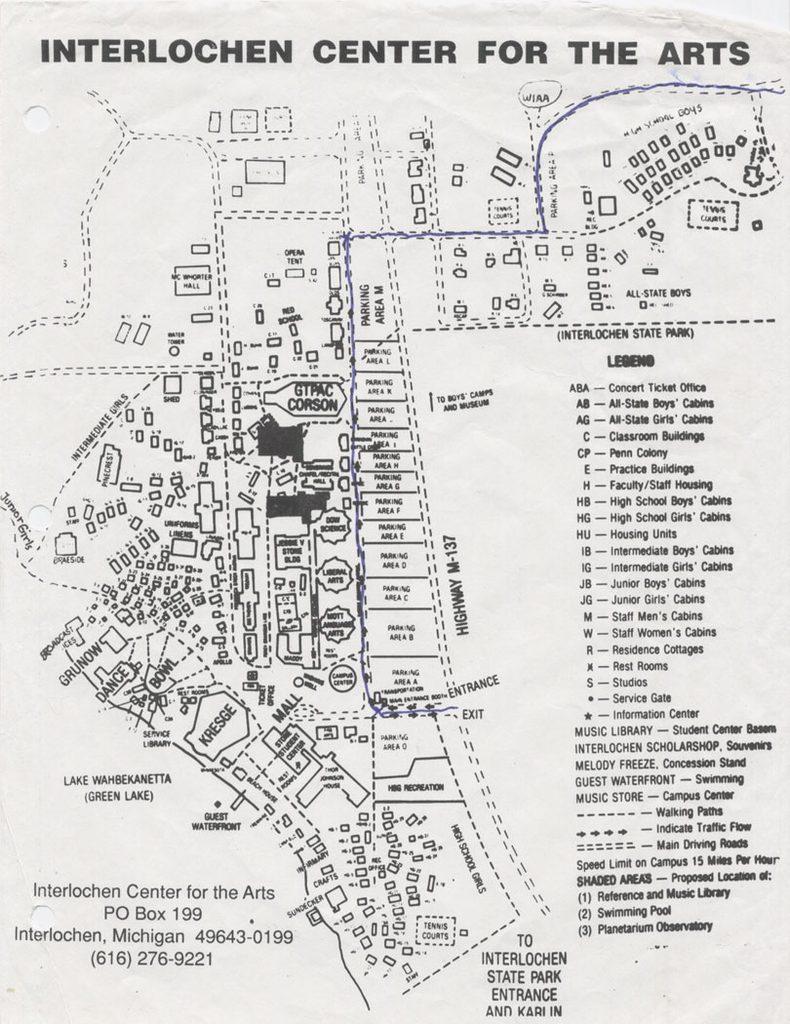
Kresge Auditorium is the legendary flagship performance venue located at the Interlochen Center for the Arts at 4000 J Maddy Parkway in Interlochen, Michigan. This historic structure was constructed in 1948, and subsequently expanded in 1964. Architect Alden B. Dow planned much of the campus’s core style. Kresge features a unique, six-sided free-form steel roof stretching over a massive 3,917-seat open-air pavilion. It is famously situated right on the scenic shores of Green Lake. Because the pavilion features entirely open sides, lake breezes naturally cool patrons and performers during hot summer music camp events. Inscribed prominently across the rear of the stage is the famous Interlochen camp motto: “Dedicated to the promotion of world friendship through the universal language of the arts.”

Most evenings there are a variety of live performances to choose from, featuring some of the leading student and faculty members, and visiting artists.

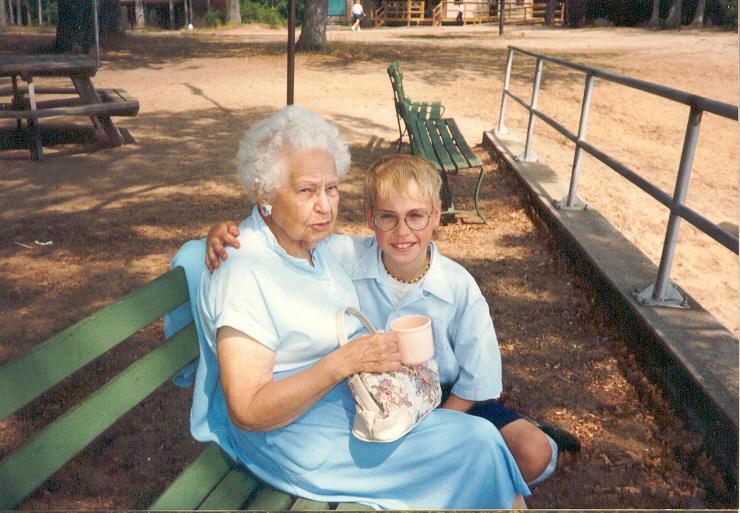
My great grandmother Hazel (Youry) Underhill was hind enough to visit me. While going blind, as a retired teacher she took great satisfaction in seeing the grwoth of her grandkids.


Also joining in the visit were my grandfather Frank Huxtable and grandmother Patricia (Underhill) Huxtable.


I had an opportunity to show my family members around campus, including the section headquarters and my cabin for the summer.

The cabin environment was rustic. With a dozen campers and two counselors, we became accustomed to sharing the space together. Two of the only times we won the daily cleaning competition was when I led the effort.


The brutalist architecture of Corson Auditorium marks a prominent indoor performance hall. Originally opened as part of the Grand Traverse Performing Arts Center complex in 1975, this striking poured-concrete tower seats approximately 1,000 spectators. It features incredible acoustics and serves as the year-round hub for major symphony orchestra concerts, theater productions, and world-class visiting artists. Standing proudly in the courtyard plaza is the famous bronze monument “Two Bears,” created by renowned Michigan sculptor Marshall M. Fredericks. The sculpture features a large brown bear and a smaller black bear sitting back-to-back in quiet reflection. Because these two types of bears are natural enemies in the wild, Fredericks designed them sitting peacefully together to symbolize human tolerance, harmony, and friendship. Over the decades, it has become a cherished good-luck charm for students at the camp. Generations of musicians and artists have rubbed the bears’ noses before large auditions or performances, polishing the bronze to a bright shine.

A live symphonic performance occurring inside Corson Auditorium in 1993. This is the main indoor concert hall at the Interlochen Center for the Arts. The image highlights the view from the audience looking toward the warm, wood-paneled stage acoustics that the venue is famous for. On stage, you can see musicians wearing the camp’s traditional red uniforms—a signature look worn by the student ensembles during official concerts, including the world-renowned World Youth Symphony Orchestra (WYSO). As part of the Grand Traverse Performing Arts Center, the auditorium provides a year-round, climate-controlled space to complement the open-air Kresge Auditorium. Its fan-shaped seating arrangement ensures that all 1,000 audience members have an intimate view and crisp, direct sound projection, no matter where they sit.

Acclaimed concert pianist Misha Dichter was once a student alongside other students at the Interlochen Arts Camp during the summer of 1993. Known for his warm and accessible approach to mentoring, Dichter frequently visited the campus to conduct masterclasses, work directly with student musicians, and headline major summer concert series at venues like Kresge Auditorium. In this relaxed setting under a lakeside pavilion tent, you can see music sheets laid across the picnic table as students review scores during camp instruction.
Dichter’s visits are a celebrated part of campus history. He went on to have an expansive global touring career, legendary training at Juilliard under Rosina Lhévinne, and a remarkable comeback after undergoing hand surgeries.


Our theater group did a performance in the new black box theater space, attached to the costume shop. Here I am outdoors in the Intermediate division, practicing French horn.

Other Intermediate divisions in the theater class smiled together on a sunny pathway at the Interlochen Arts Camp. The group wore the camp’s traditional summer uniform colors—navy blue shorts or trousers paired with light blue button-down shirts or sweaters, often accented with bright red socks, which campers historically wore for daily activities and rehearsals. The distinctive stone and wood accents on the building behind them match the classic mid-century rustic architecture seen throughout the historic Interlochen campus grounds.
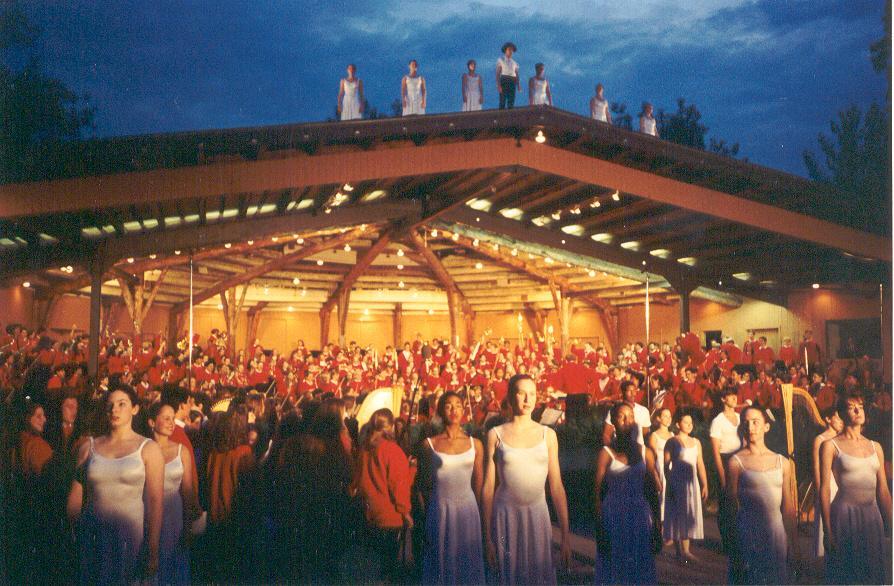
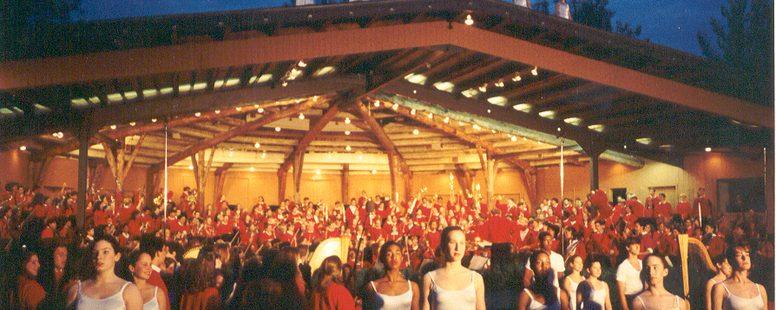
The 1993 performance of “Les Préludes” at the Interlochen Arts Camp is a memorable chapter in the camp’s historic timeline. This specific 1993 production beautifully captured all the signature elements of Interlochen’s grand finale tradition. Conducted on the final Sunday of the summer arts festival, the monumental event united hundreds of young musicians, visual performers, and spectators in a massive, emotional celebration.
- The Ensemble: The performance featured the World Youth Symphony Orchestra (WYSO) filling the stage of Kresge Auditorium alongside members of the camp’s combined bands and choirs.
- The Costumes & Uniforms: While the orchestra wore the classic performance red uniforms, the modern dance department wore flowing white dresses as they moved down the aisles and filled the space around the pavilion.
- The Rooftop Spectacle: In line with tradition, a select group of brass players and dancers stood atop the sloping cedar roof of Kresge Auditorium, performing against the evening Northern Michigan sky.
- The Finale Customs: Following the dramatic final chords of Franz Liszt’s tone poem, the production transitioned seamlessly into “The Interlochen Theme” by Howard Hanson. The night officially concluded with the traditional breaking of the conductor’s baton, symbolizing the close of an unforgettable summer.

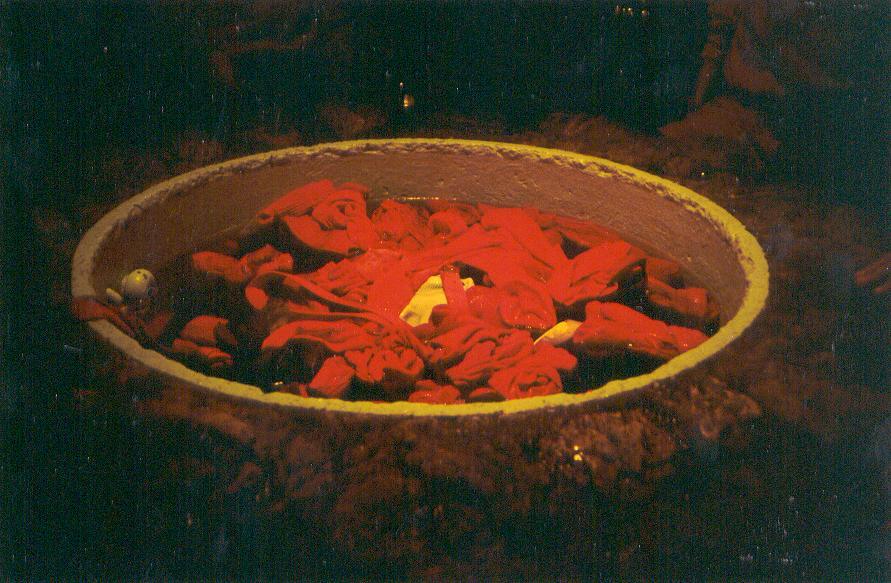
After the concert students left their socks in the well on campus. Given the red color it appears that Intermediate campers most embraced this tradition this particular year in 1993.
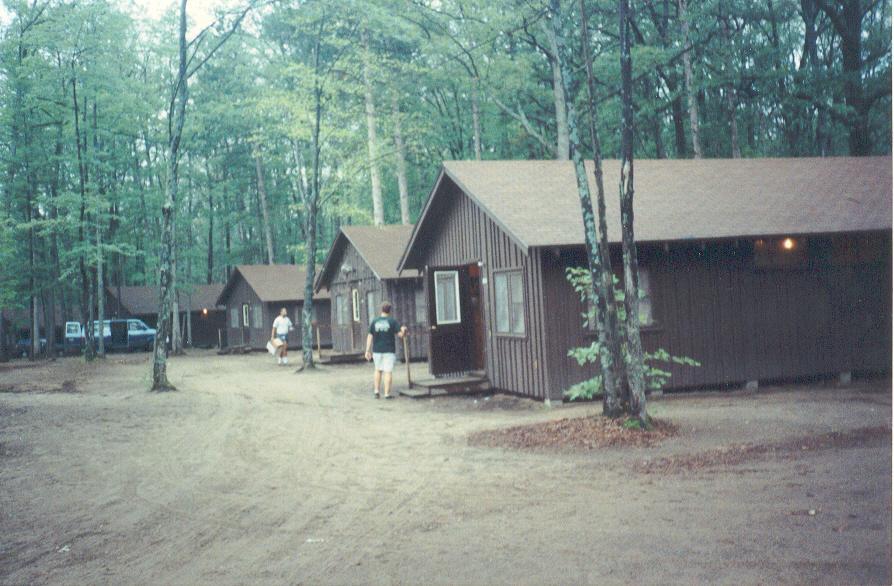
The next morning I remember being one of the last campers to leave. It was bittersweet to see everyone else leave one by one, and to be one of the last. This gave me plenty of time to think on what a transformative experience the past eight weeks had been. Upon leaving I felt forever changed, with a deeper connection and appreciation for the arts.

Acceptance Letter