Knoxville’s Urban Wilderness Loop Trails – Knoxville, Tennessee

Isaac Kremer/ July 5, 2014/ Field Notes, Physical, wayfinding/ 0 comments

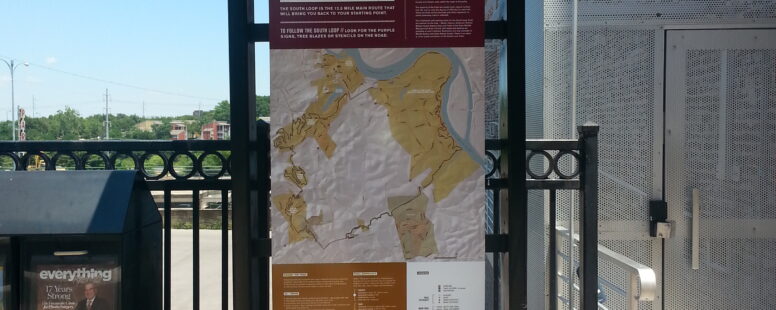
The South Loop Trail System is 40 miles of trail through city, county, state and private land connecting parks, neighborhoods, schools and natural areas. It is a part of Knoxville’s Urban Wilderness – 1,000 acres of parks, trails, forests and historic sites. The South Loop is the 12.5 mile main route that returns back to the starting point. Knoxville’s Urban
Read More

Downtown – Traverse City, Michigan

Isaac Kremer/ May 22, 2014/ beer, downtown, Economic, Field Notes, Physical, preservation, wayfinding/ 0 comments

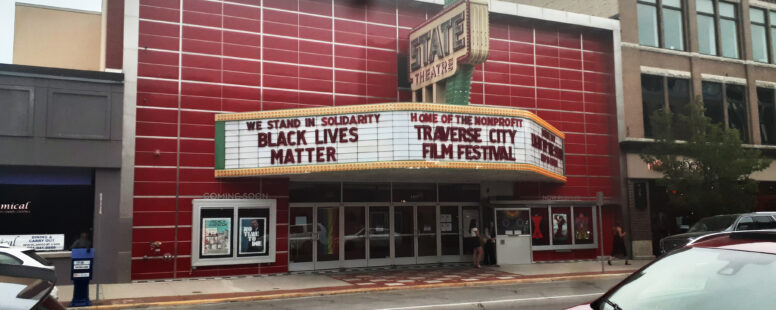
Beadle Building. John T. Beadle built this building in 1892 for his harness shop. Its exterior was restored in the early 1980’s exposing the solid eighteen inch thick walls made with brick manufactured in nearby Greilickville. The Traverse City Ale Trail highlights a growing number of breweries in the Traverse City area. It’s possible to take an atlas for a

Read More

Main Street Now – Detroit, Michigan (2014)

Isaac Kremer/ May 20, 2014/ Field Notes, Physical, placemaking, preservation, public art, wayfinding/ 0 comments

The Main Street Now conference was held in Detroit in 2014. The Opening Plenary of the conference concluded with the announcement of the GAMSA winners, semifinalists, and “One to Watch.” Middlesboro, Kentucky was both a semifinalist and a “One to Watch.” The Mariner’s Church has a beautiful stained glass window that celebrates some of the iconic architecture from Art Deco

Read More

Downtown – Asheville, North Carolina

Isaac Kremer/ April 5, 2014/ downtown, Field Notes, Local Food, Physical, placemaking, plaza, preservation, public art, storefront, streetscape, wayfinding/ 0 comments

Asheville was named for Samuel Ashe (1725-1813), the first speaker of the North Carolina SEnate and governor from 1795 to 1798. The village was incorporated by the General Assembly in 1797, and included part of a 200-acre land grant the state awarded to a prominent settler named John Burton in 1794. He laid out half-acre lots along an old trail

Read More

Over the Rhine – Cincinnati, Ohio

Isaac Kremer/ March 8, 2014/ downtown, Economic, Field Notes, market, Physical, preservation, public art, wayfinding/ 0 comments

Over the Rhine has been undergoing an impressive revitalization process for many years now. The concentration of multi-story buildings to support housing, and ground floor commercial spaces support a growing mix of businesses. This outdoor market pavilion supports local farmers and community activities. The transparent roof peak is particularly ingenious allowing light to fill the space. Public art is present

Read More

Downtown – Marshall, Michigan

Isaac Kremer/ July 18, 2013/ beer, downtown, Economic, Field Notes, Physical, placemaking, preservation, public art, streetscape, tactical urbanism, wayfinding/ 0 comments

Marshall once aspired to be the state capital of Michigan. They were passed over in favor of another small agricultural town – Lansing. Owning to a central location on the Territorial Road (later paralleled largely by Interstate-94) the commercial activity and attendant quality of buildings is remarkable. Marshall has had a strong preservation ethic for a small town, repeatedly being

Read More

Downtown – Staunton, Virginia

Isaac Kremer/ March 23, 2013/ downtown, Economic, market, Physical, placemaking, preservation, public art, storefront, wayfinding/ 0 comments

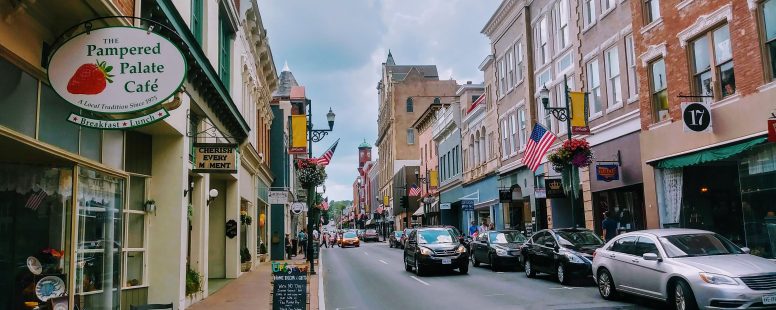
T. J .Collins designed the Marquis Building on Beverley Street with a corner turret, bay windows, and gable-roofed bays. Together these give this commercial building a commanding presence at the intersection that it rests upon. The T. J .Collins designed Switzer Building with triple arches on the 2nd floor based on larger Venetian palazzos with a diamond pattern of terra

Read More

Visit to Pigeon Forge and the Great Smoky Mountains – Gatlinburg, Tennessee

Isaac Kremer/ February 10, 2013/ downtown, Field Notes, Physical, placemaking, streetscape, wayfinding/ 0 comments

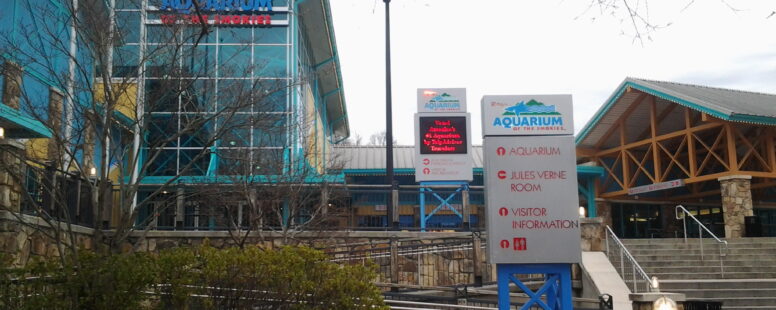
The Southern Appalachian National Park Association was formed in Asheville to explore the goal of creating a 12,000-square mile park whose boundaries spanned parts of North and South Carolina, Georgia, Virginia, and Tennessee. By the 1920s the 814-square-mile area that would become Great Smoky Mountain National Park had lost two-thirds of its forest cover to logging operations. Only a few

Read More

Detroit Riverwalk – Detroit, Michigan

Isaac Kremer/ August 28, 2012/ Field Notes, Physical, placemaking, plaza, public art, wayfinding/ 0 comments

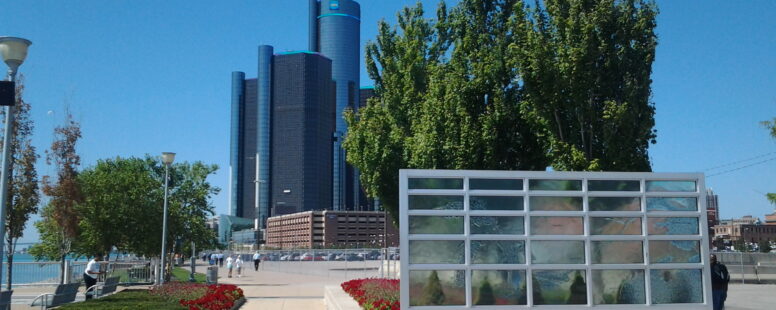
The Detroit Riverwalk is an expanding public waterfront pathway system linking major attractions in downtown Detroit. The Renaissance Center is the focal point of the walk and also the tallest building in Michigan. At one point the Renaissance Center had no physical connection to the Detroit River. In 2004 the Riverwalk was completed to remedy that oversight. Features include a

Read More

Points of Light Volunteer Pathway – Washington, DC

Isaac Kremer/ March 6, 2012/ Field Notes, Physical, placemaking, wayfinding/ 0 comments

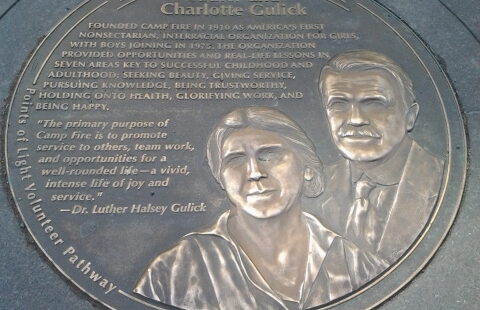
Near the White House is a pathway of prominent Americans who volunteered for the betterment of their fellow citizens. The project was made possible by a grant from The Washington Times. Jane Addams In 1889, with Ellen Gates Starr, Jane Addams founded Hull House in Chicago, one of the nation’s first settlement houses. Hull House served as a community center

Read More