
Downtown – Indianapolis, Indiana
Indianapolis was selected as the new state capital of Indiana in 1820. The city was situated on the original east-west National Road. The first railroad service began in 1847. By the start of the 20th century, Indianapolis had become a large automobile manufacturer. In the late 20th century Indianapolis rose in stature to become a major transportation hub and tourism destination.

Monument Square is the physical center and holds great meaning for Indianapolis as a memorial to those who served in the Civil War. Many major streets in Indianapolis converge on this point.
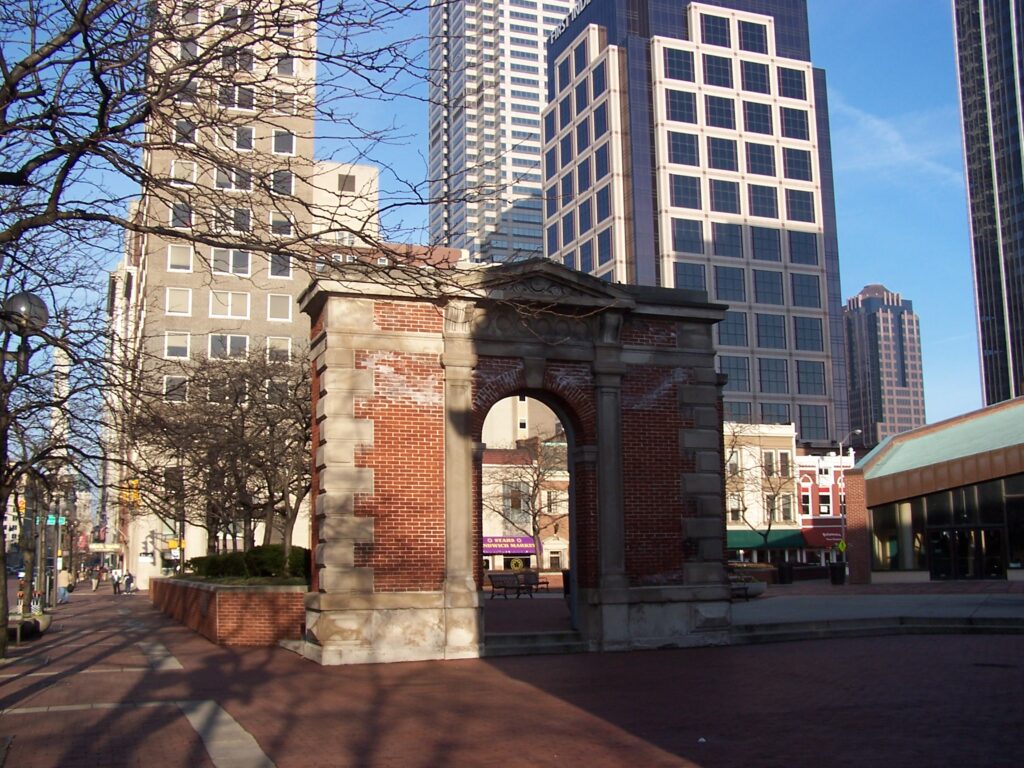
While walking through the CBD for an appointment, this monumental arch and plaza caught our attention. Built of brick with stone detailing, particularly on the corners with quoins and the arched surround with passage.
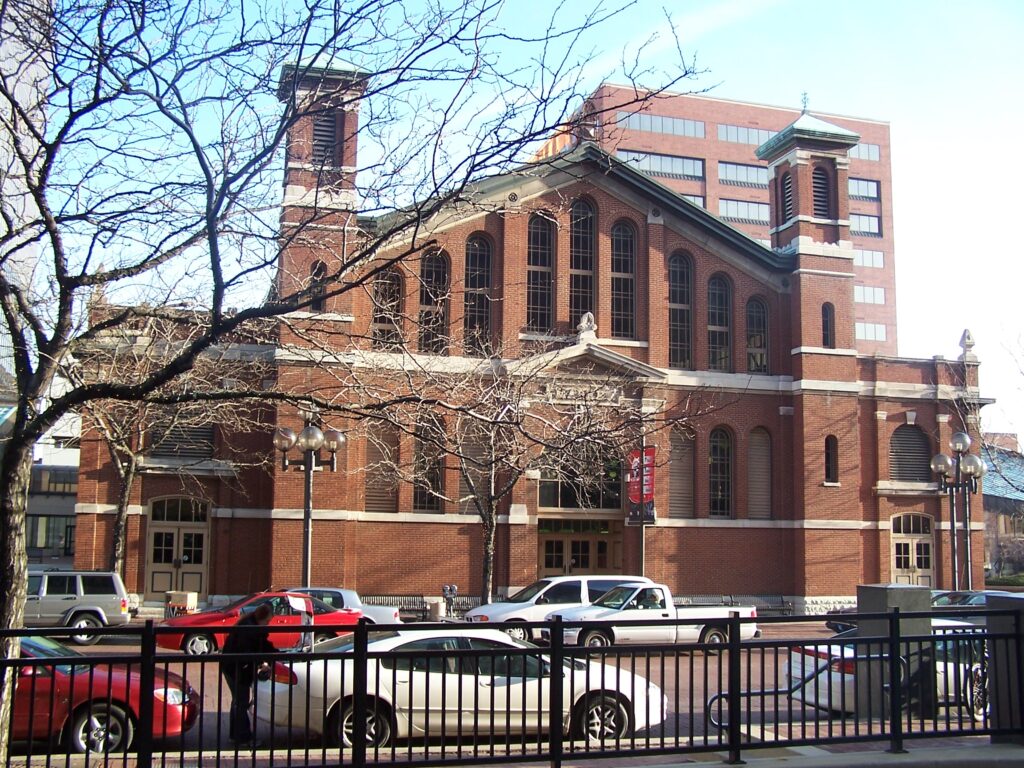
Indianapolis City Market has a distinctive front gable filled with three sets of three arched windows. Corner towers, perhaps for ventilation from the gable. Stringcourses running the full extent of the building break up the verticality and keep the building close to the ground despite its significant size.
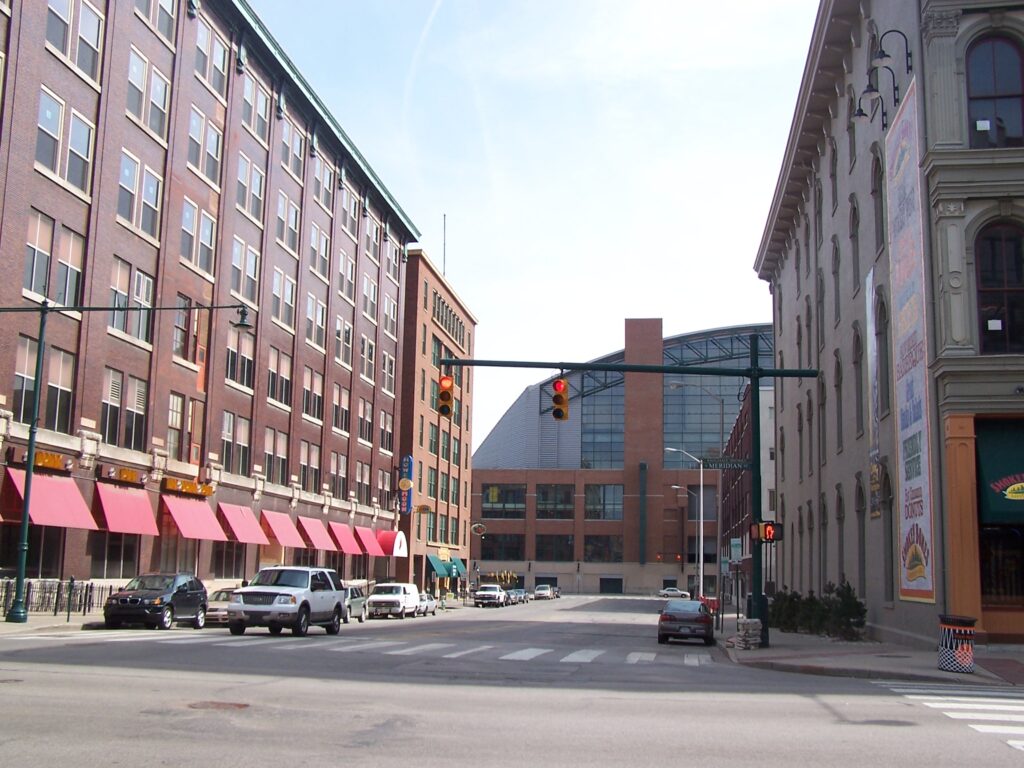
Downtown has several large multistory buildings with retail on the bottom. The historic buildings are close to the Lucas Oil Stadium that is well integrated into the historic fabric of the downtown. In the photo above it helps to frame and complete the vista of the street.
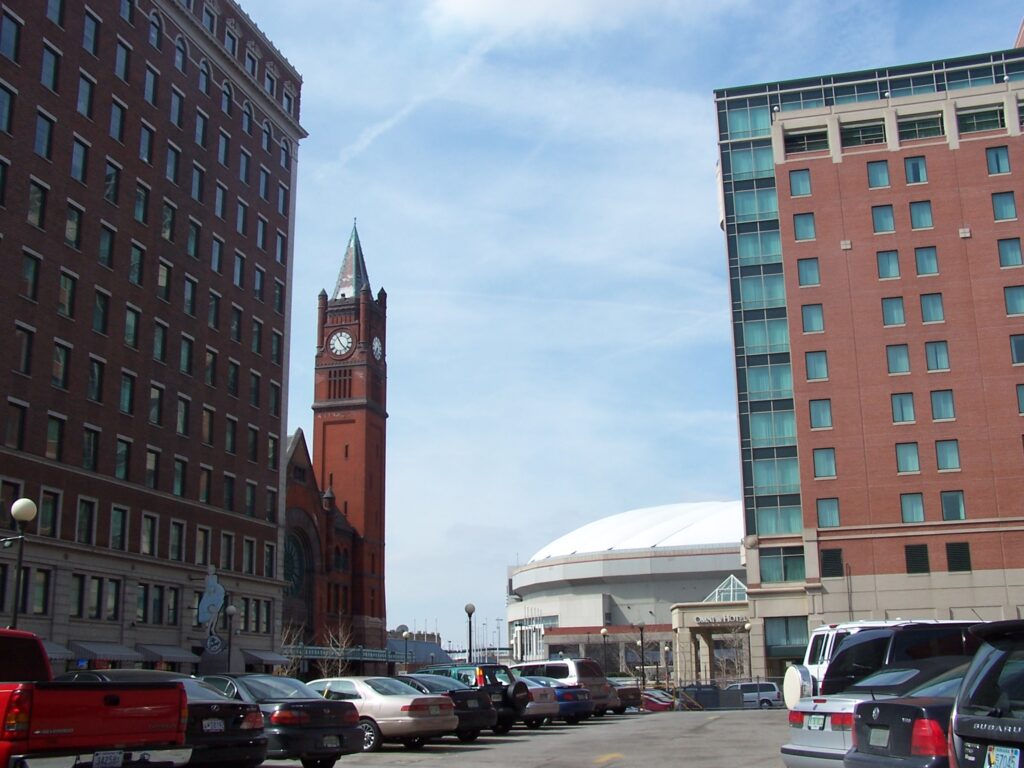
Historic Union Station to left with the Omni Hotel on the right. Historic fabric is virtually eliminated on the neighboring streets and blocks.
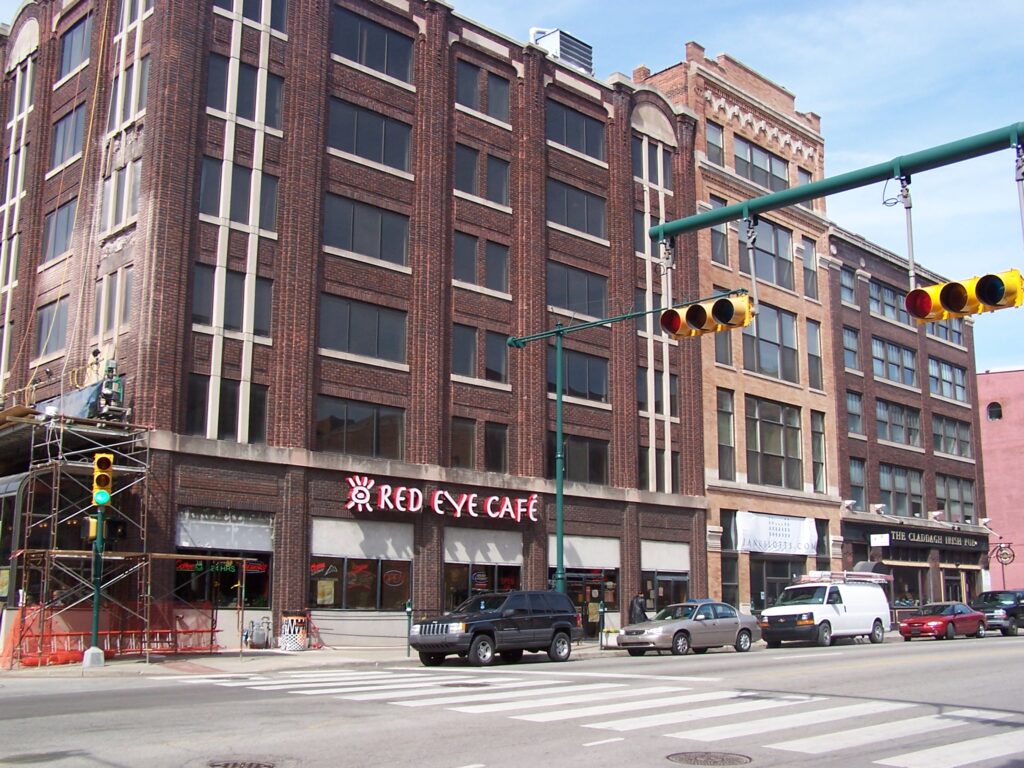
Red Eye Cafe is one of the only 24 hour restaurants in Indianapolis at the time. We enjoyed visiting there and trying their red eye gravy.

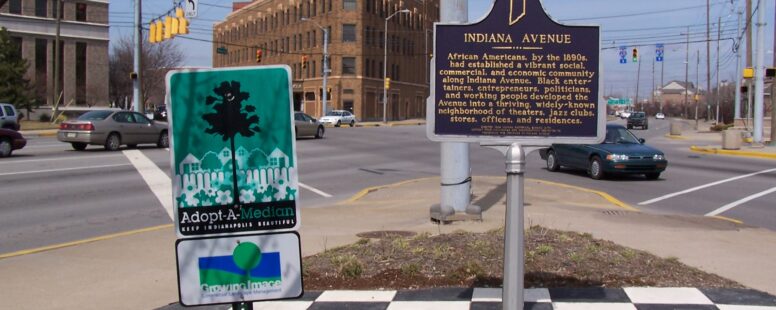
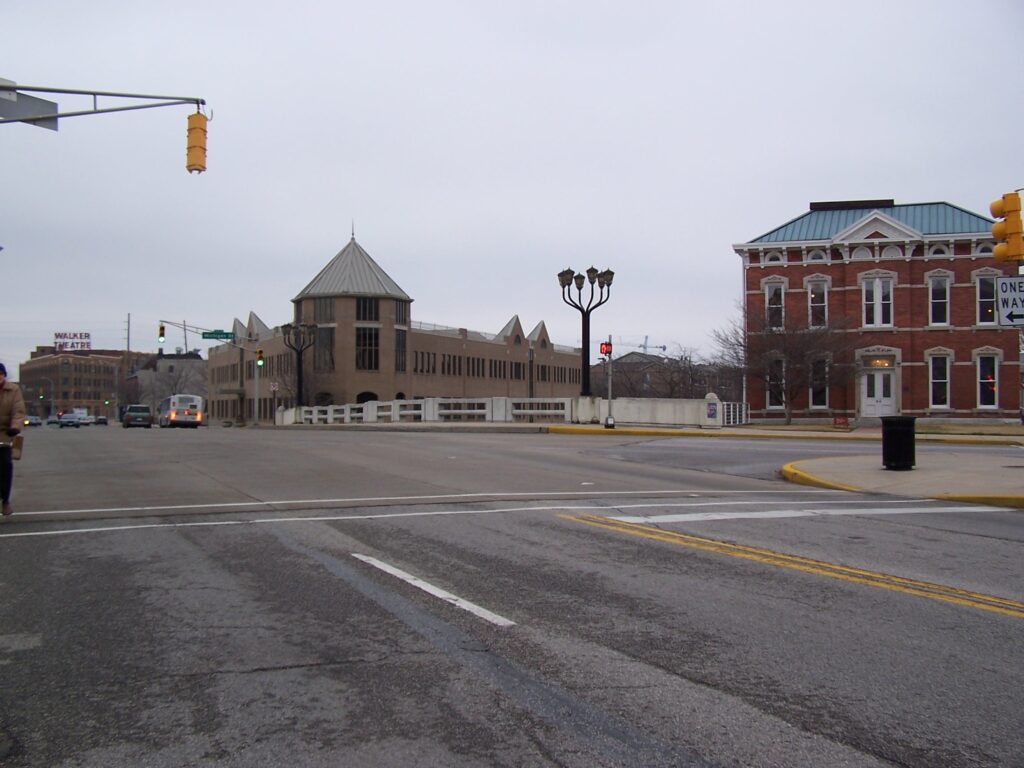
Indiana Avenue is a neighborhood where African Americans had established a vibrant social, commercial, and economic community by the 1890s. Black entertainers, entrepreneurs, politicians, and working people developed the Avenue into a thriving neighborhood of theaters, jazz clubs, stores, offices, and residences.


The Walker Theater in the distance honors the African American roots of the neighborhood.
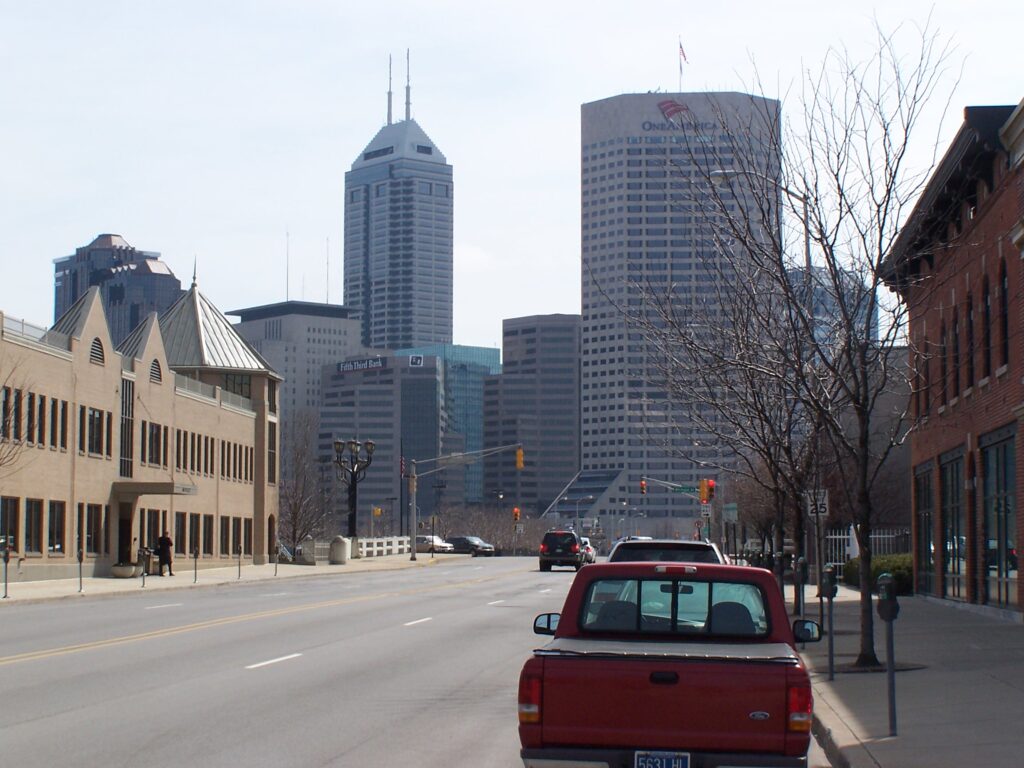
Looking back towards the downtown it is clear that tall buildings and redevelopment have totally changed large parts of Indianapolis.
Indiana Landmarks is one of the organizations working to advocate for the historic properties statewide. They are buoyed by funding from the Eli Lily Foundation. I was fortunate to visit at a time when Reid Williamson was culminating his decades-long service of Indiana Landmarks. Sitting in his office for an interview, I learnt about his role preserving one particular neighborhood in Indianapolis – Ransom Place. Afterwards he graciously invited me to attend a staff meeting for Indiana Landmarks.


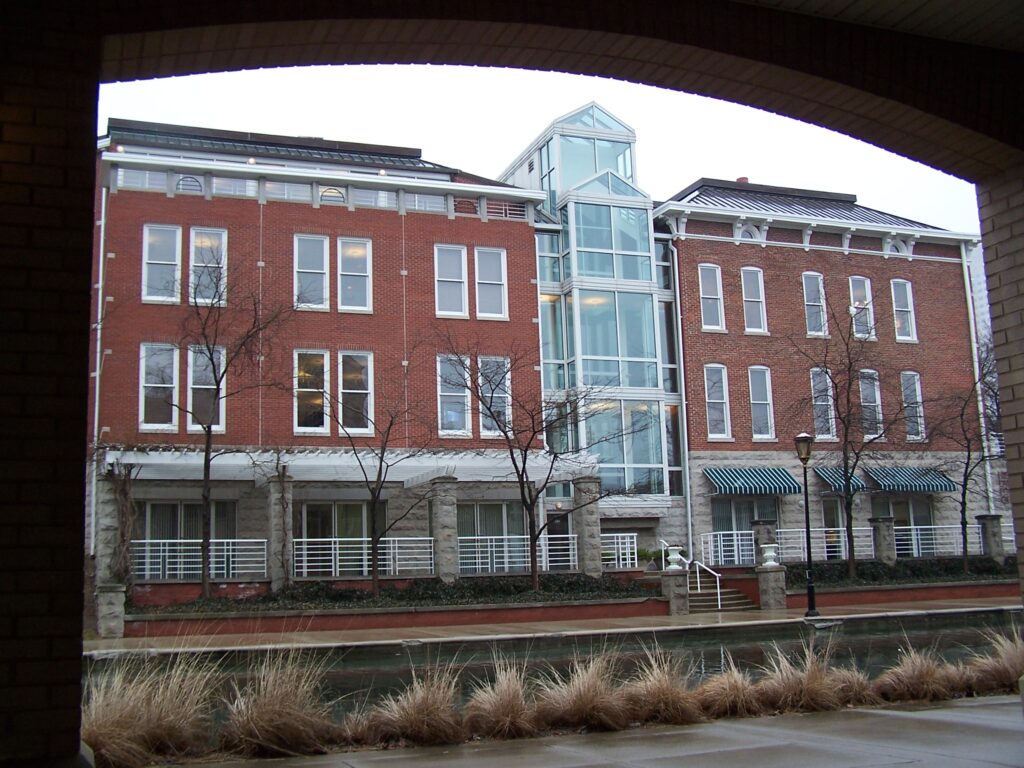
The Indianapolis Canal Walk is lined by a mixture of historic and contemporary buildings. This is evident in the street level view below with the canal in the area beneath the guard rails.
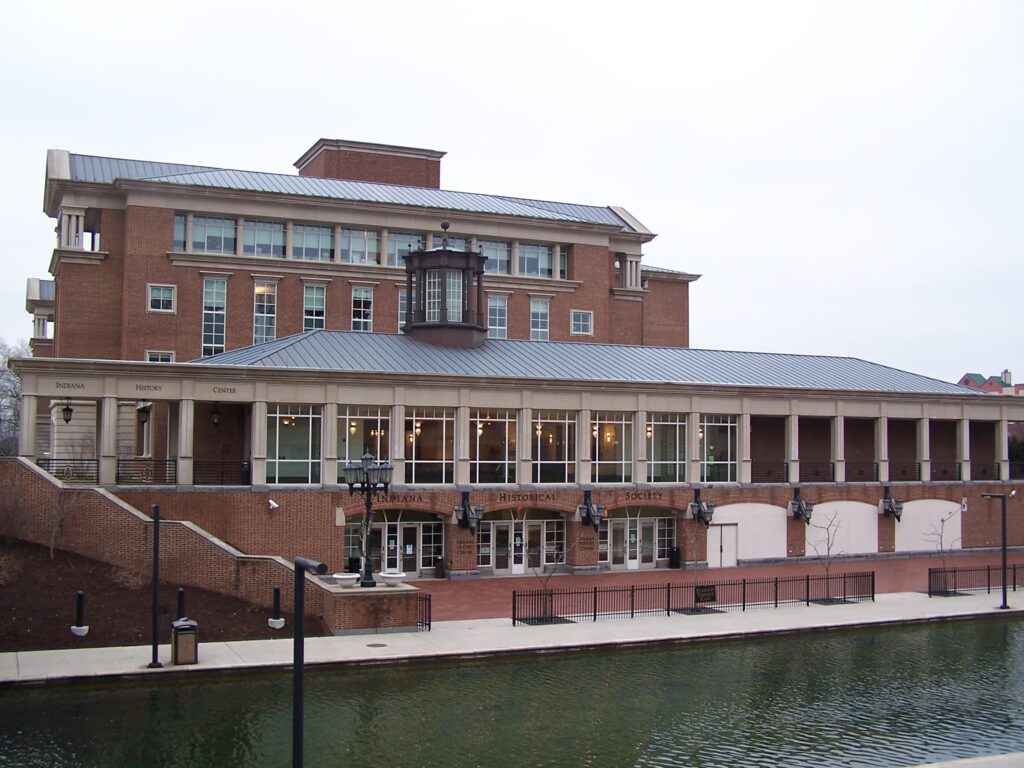
The Indiana Historical Society has an immense building along the Canal Walk.
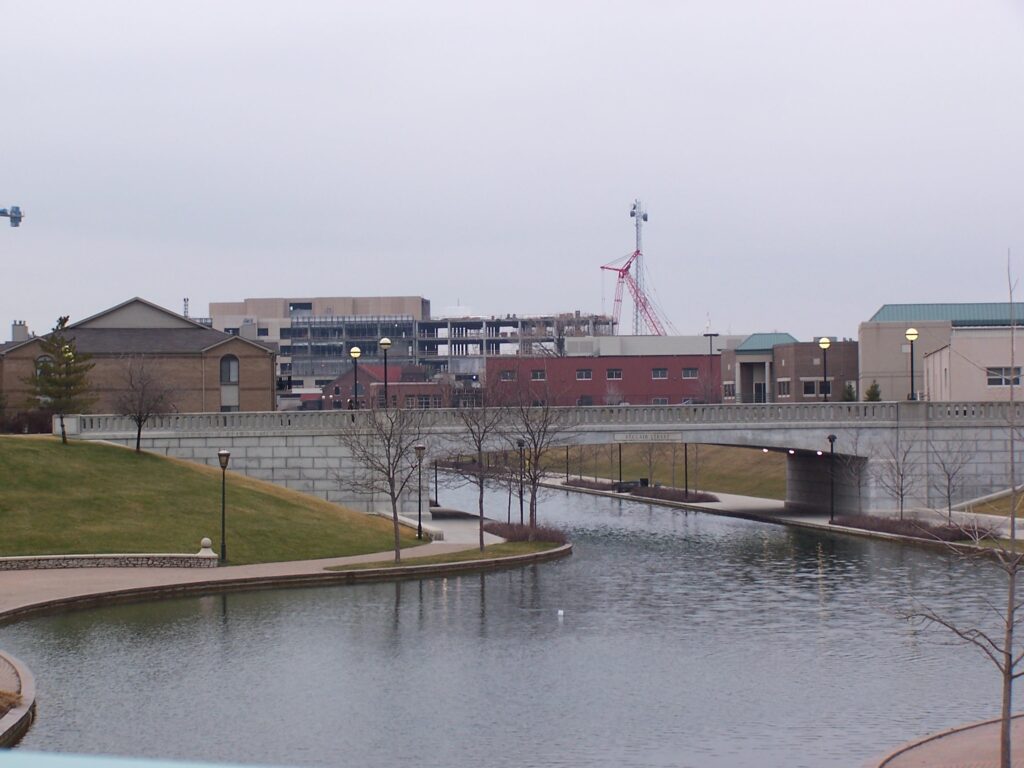
The ever evolving landscape of Indianapolis continues to change with the modern Canal Walk meandering through areas experiencing redevelopment. Ever gradually history becomes less and less evident, despite having occurred all around and through these areas.
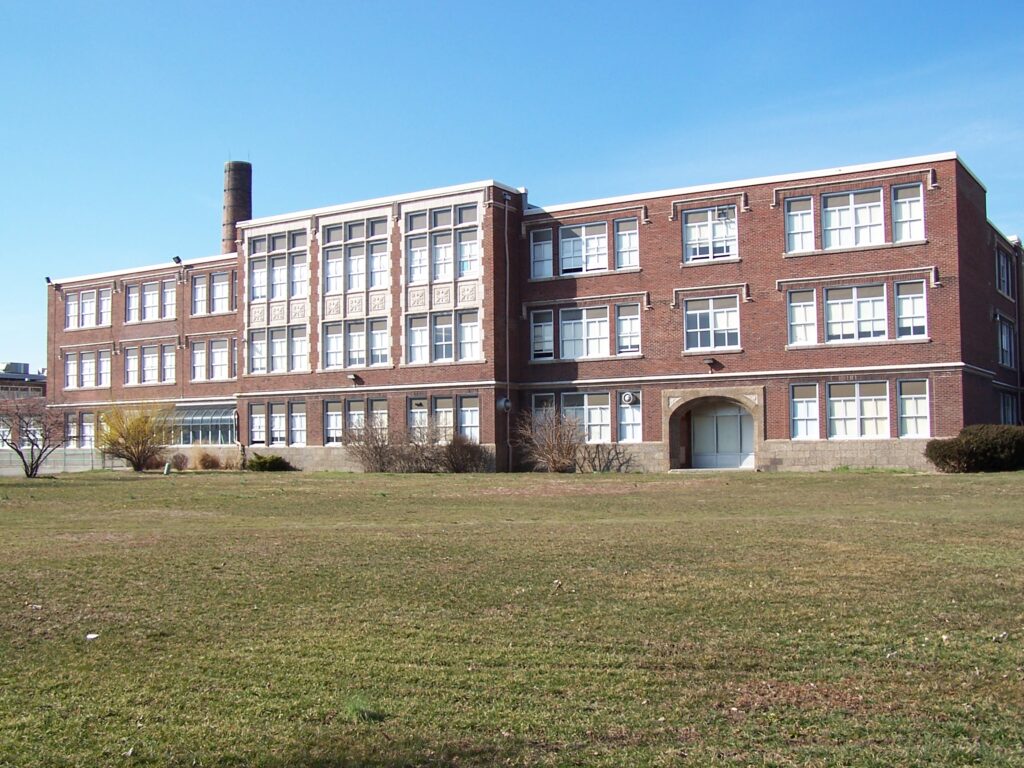
A little further out from downtown is Crispus Attucks High School. Built in 1927, it was the city of Indianapolis’ first and only African American high school. Despite protests from the Better Indianapolis League (a civic organization of progressive black citizens), the school board approved the construction of the school on a site on West Street (currently Dr. Martin Luther King, Jr. Street) near Indiana Avenue. Original plans called for the school to be named Thomas Jefferson High School but, after several petitions, the name was changed to honor Crispus Attucks, a man of African and Native American descent, and the first victim of the 1770 Boston Massacre.
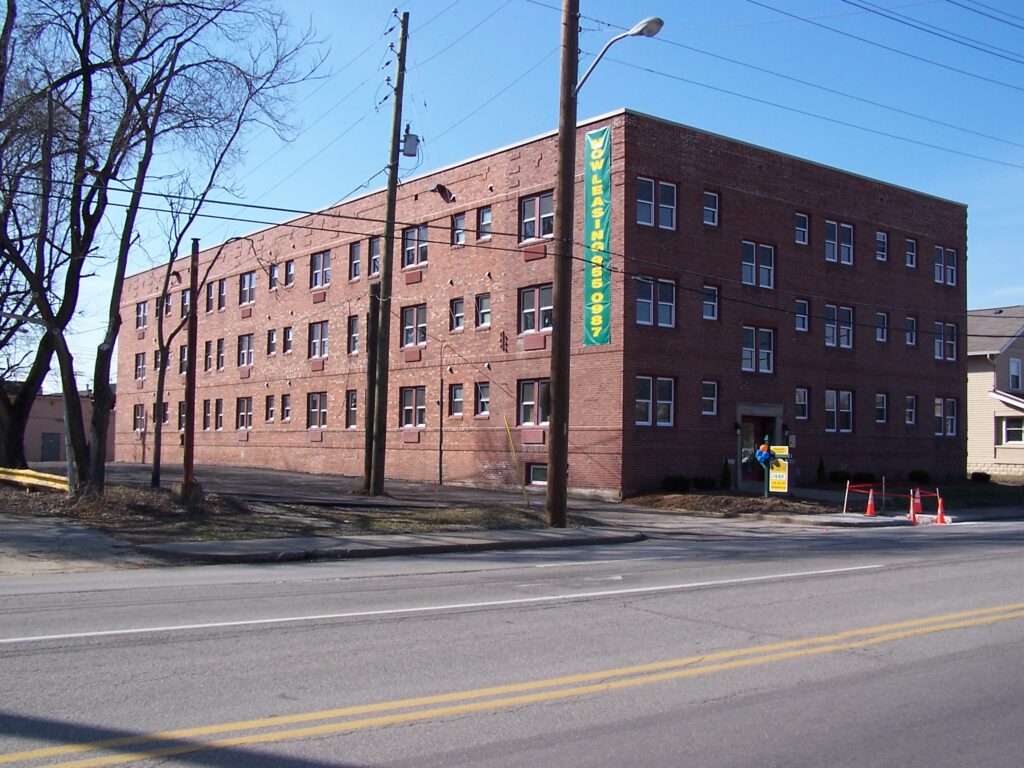
Multi-family residential buildings like this one provide housing opportunities for every price point.