Station Square – Pittsburgh, Pennsylvania (2014)
The Pittsburgh History & Landmarks Foundation began in 1964 on Liverpool Street. James D. Van Trump and Arthur P. Ziegler, Jr., discouraged by the enormity of local architectural losses through urban redevelopment and general indifference, were walking along this sadly sagging late Victorian avenue. As rays from the falling sun picked out the detailing of the gingerbread porches, the two men, moved by the beauty amidst the squalor, resolved to find an alternative to redevelopment by demolition. The two men talked with Barbara D. Hoffstot, Pittsburgh trustee of the National Trust for Historic Preservation, Charles Covert Arensberg, attorney and past president of a moribund chapter of the Society of Architectural Historians, and Calvin J. Hamilton, head of the Department of City Planning. [Landmarks] was born from their resolve, and from the outset had a deep commitment to finding means to revitalize neighborhoods without removing either historic buildings or the inhabitants (Arthur P. Ziegler, Jr., Revolving Funds for Historic Preservation (1975)). In addition to their work in historic preservation, they flexed into urban design when it was in support of preservation. One of the best examples of this is the Station Square project.

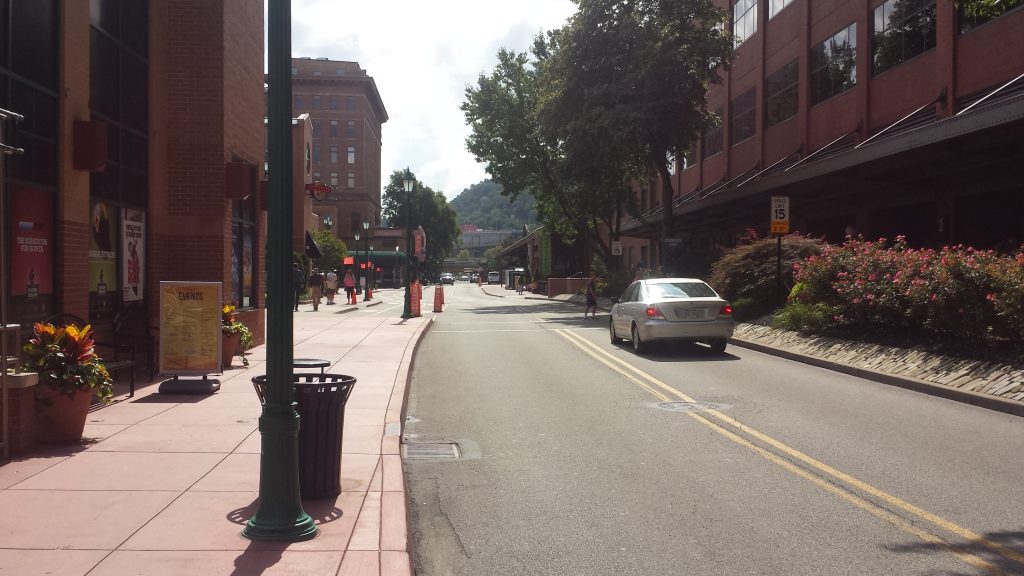
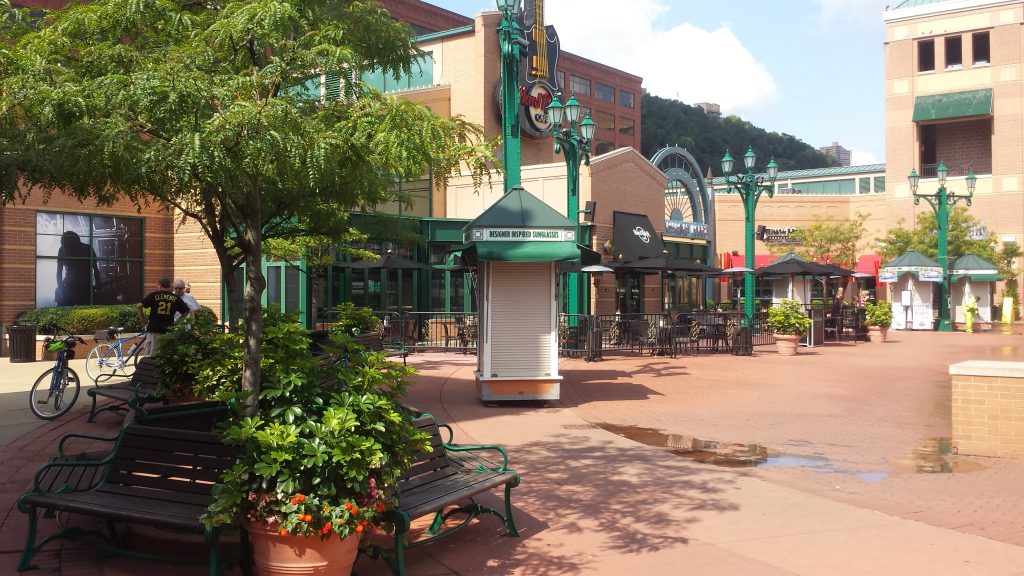
Approaching Station Square no detail went unnoticed, the height and materials of the curb, the type and varied color of the brick pathway, the plantings, and ample parking proximate to the destination. This is a consciously designed location through and through.


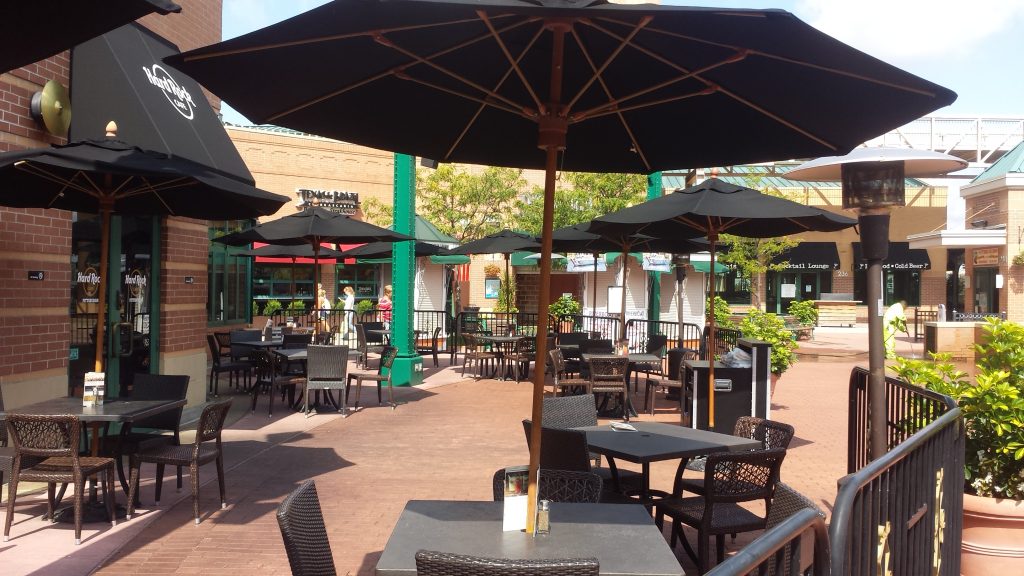
As this panorama shows the space opens up with activities on the edge and space to gather in the center. Groups of seating encourage socialization when the space is fully filled. When less full it gives places of solitude in the middle of everything. The palette of materials includes concrete in a square pattern, brick pavers for delineation, and then pinkish toned concrete. This tends to draw the eye and the visitor in, giving them something interesting to look at.

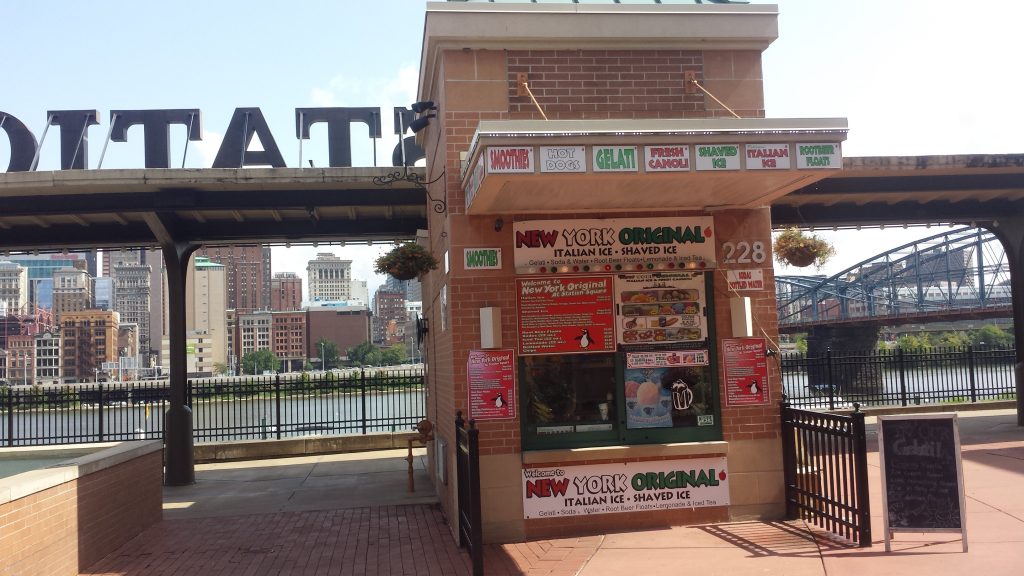
In the distance across the river, Pittsburgh beckons. The Cathedral of Learning with its pinnacles at the corner and glass curtain wall reflects the surround sky and clouds. Lower-scale and more traditional tall buildings abound. And the bridges are a defining feature of Pittsburgh providing connectivity between the downtown and surrounding neighborhoods.

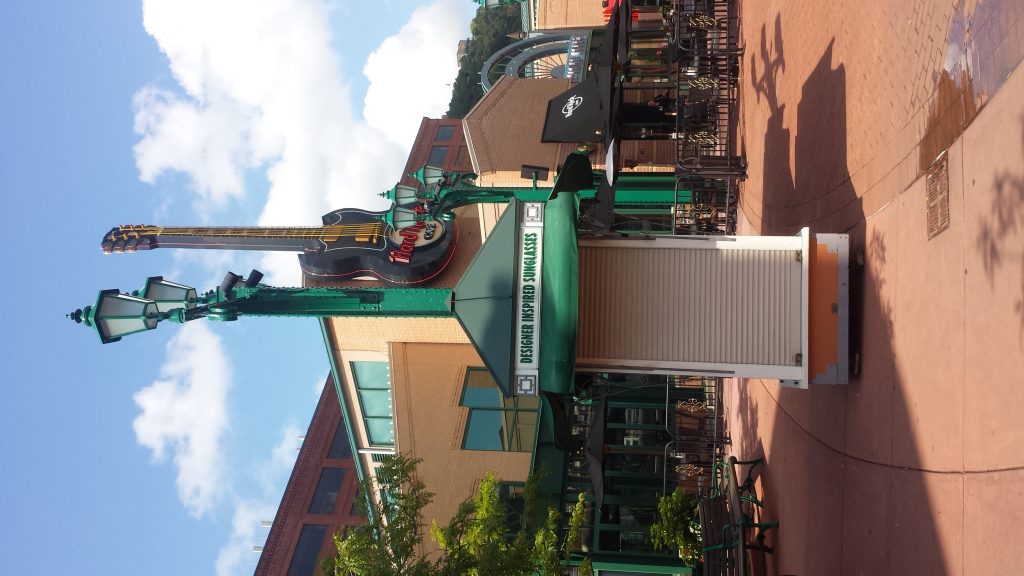
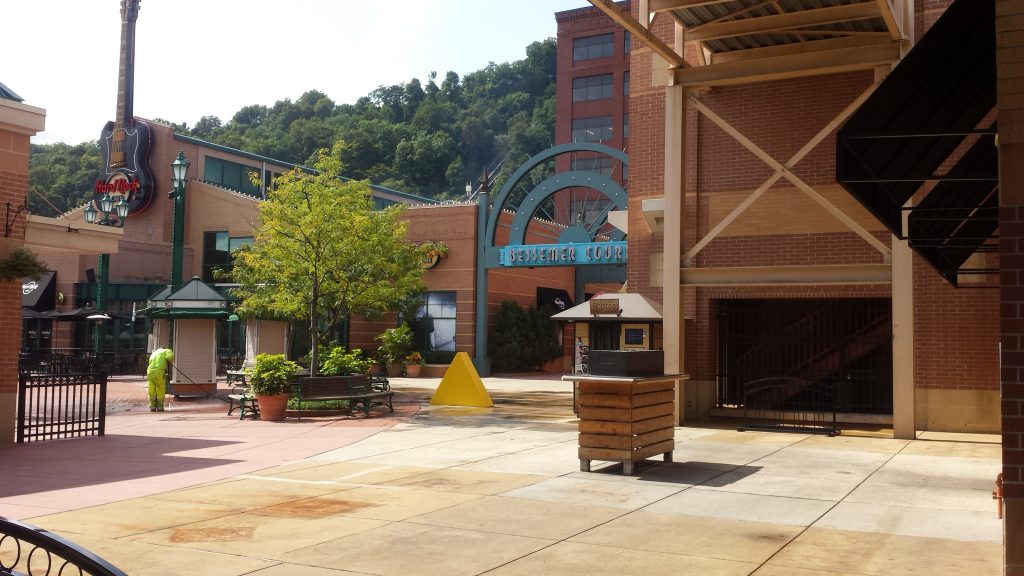
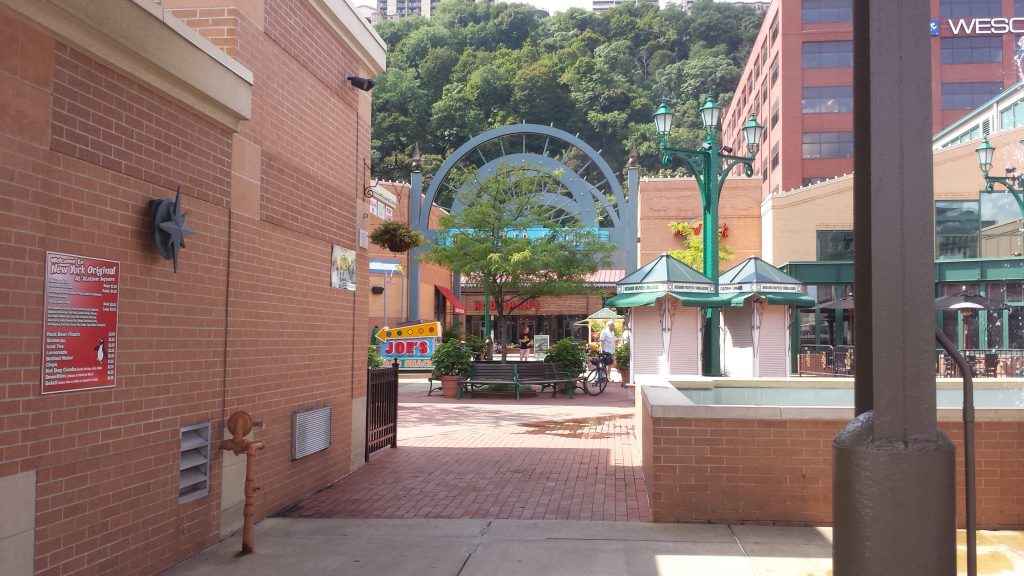
These freestanding kiosks give the opportunity to vendors to sell their products, but just as easily can be locked up and moved to the side. This micro-retailing gives entrepreneurs at the lowest rungs of the business life cycle to get their start. It is not inconceivable how after starting here they might one day be able to lease a store.
This train caboose on tracks ties to the earlier industrial uses of the site and the train station located a few feet away. While no longer actively in use, this provides a needed sense of continuity.


Within the Pittsburgh History and Landmarks Foundation office next to Station Square there is a model showing the future of the site that combines the historic train station in the foreground, Station Square with the rows of trees, and a shopping mall development, hotel, and pier. While not all of these were executed as shown, it does demonstrate the power of having a bold vision.
Visit in 2017


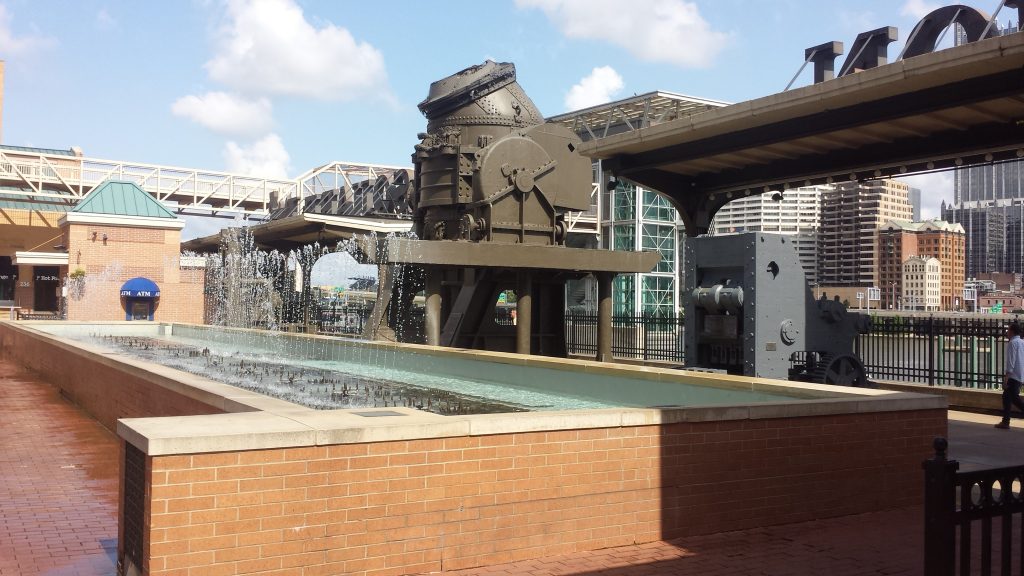
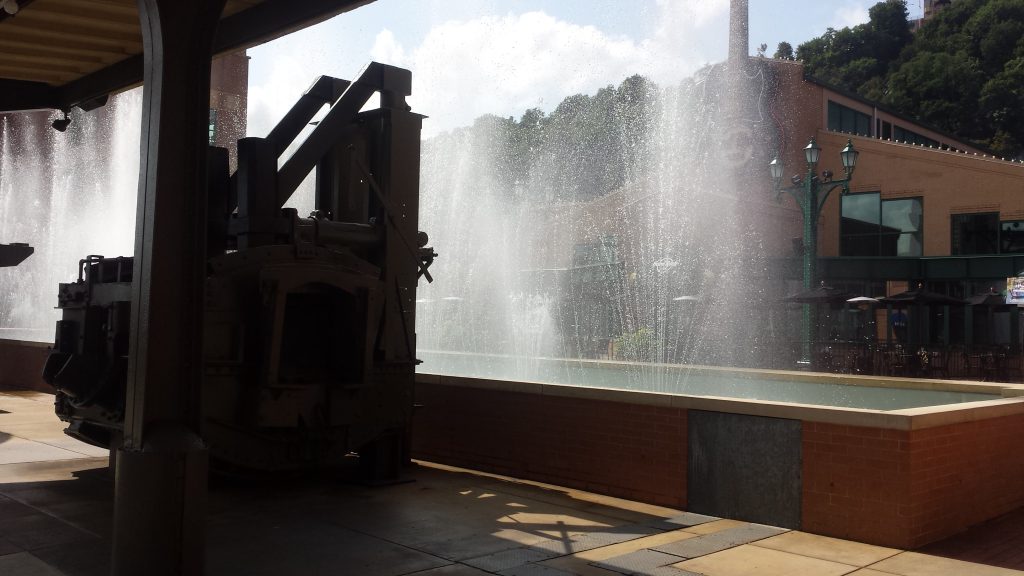
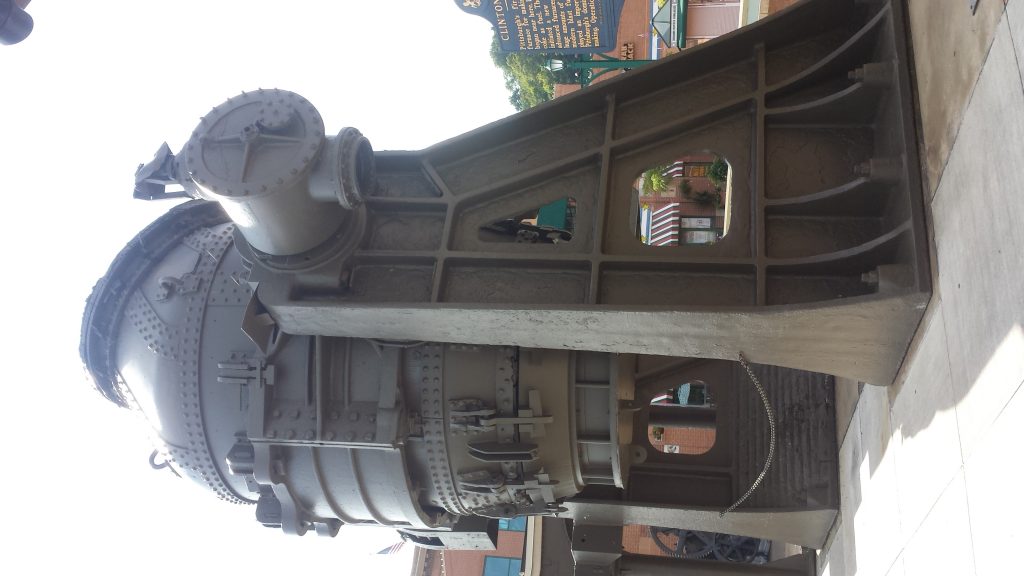
Clinton Furnace: Pittsburgh’s first successful blast furnace for making pig iron. Operations began near here, 1859, using Connellsville coke as fuel. The furnace’s technology initiated a new era, leading to more advanced furnaces capable of producing huge amounts of iron and resulting in the modern blast furnace. Clinton Furnace played an important role in establishing Pittsburgh’s dominance in iron and steel making. Operations ended in 1927.
Clinton Furnace marker, Pennsylvania Historical and Museum Commission