East End Bazaar – Charleston, West Virginia

Isaac Kremer/ November 21, 2013/ Economic, Field Notes, market, Physical, plaza, Social, tactical urbanism/ 0 comments

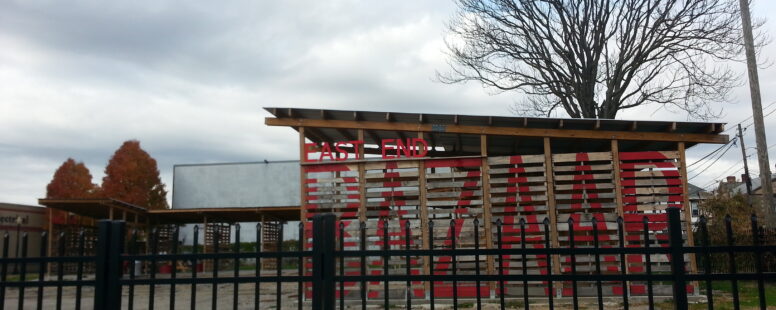
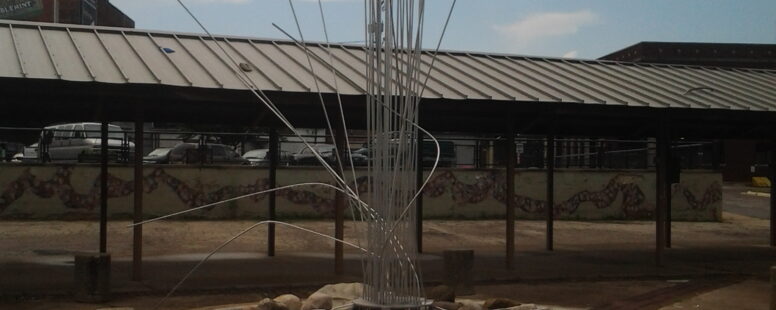
Just a few blocks away from the Capitol Market in Charleston is the East End Bazaar. While it doesn’t look like much, this market space serves a valuable function supporting farmers and makers. The low-cost and temporary looking structures here are the exact opposite of the Capitol Market. Both serve an important function contributing to the social, economic, and civic

Read More

Farmers Market – Capitol Market, Charleston, West Virginia

Isaac Kremer/ November 21, 2013/ Economic, market, Physical, preservation, Social/ 0 comments

Charleston, West Virginia, is fortunate to have not one but two markets downtown. The traditional Capitol Market is an enclosed building with a long central hall and vendors to either side. Originally this was built after the Kanawha and Michigan Railroad built a rail yard on Smith Street. After falling into disrepair, the market was reestablished as the Capital Market

Read More

Downtown – Staunton, Virginia

Isaac Kremer/ March 23, 2013/ downtown, Economic, market, Physical, placemaking, preservation, public art, storefront, wayfinding/ 0 comments

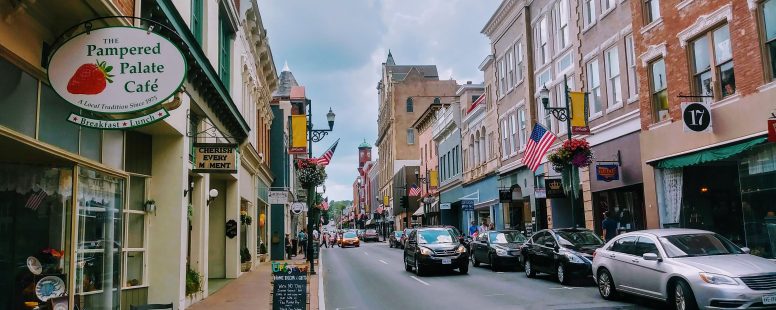
T. J .Collins designed the Marquis Building on Beverley Street with a corner turret, bay windows, and gable-roofed bays. Together these give this commercial building a commanding presence at the intersection that it rests upon. The T. J .Collins designed Switzer Building with triple arches on the 2nd floor based on larger Venetian palazzos with a diamond pattern of terra

Read More

City Market – Roanoke, Virginia

Isaac Kremer/ December 22, 2012/ Economic, Field Notes, market/ 0 comments

In Roanoke, Virginia the street Market Square SE terminates at the City Market. The City Market was renovated in 2011. Today it has a food court with indoor dining area and stage for community gatherings and performances. Sheds with permanent metal tables for vendors are outside of the market along Market Square SE. This evokes the feeling of an outdoor

Read More

Visit to Blacksburg, Virginia

Isaac Kremer/ March 2, 2012/ Economic, Field Notes, market, Physical, wayfinding/ 0 comments

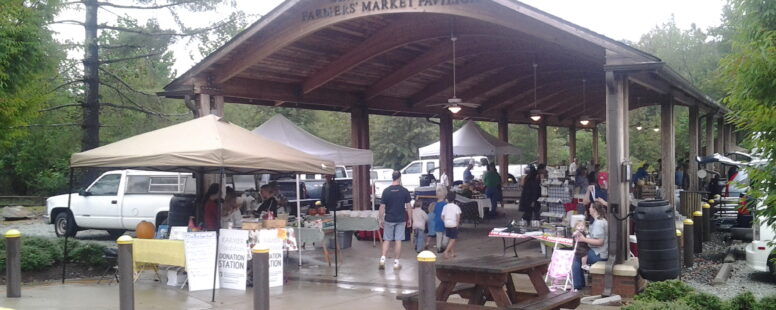
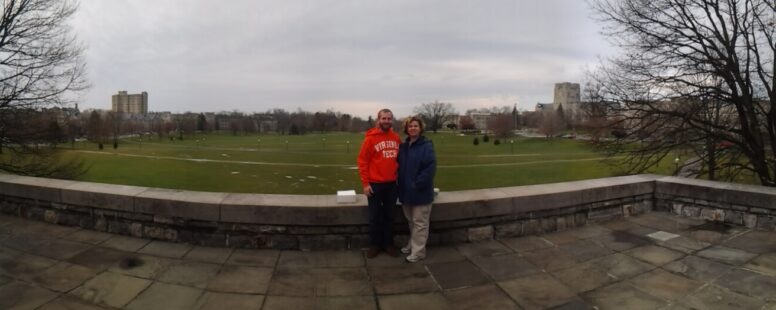
“Buy, Eat, Live local” shirts in a downtown Blacksburg store. The Blacksburg Farmers Market has an impressive looking permanent pavilion structure. The large lawn that is adjacent provides plenty of space for the public to spread out and spend some time. We walked around campus and said hello to Chrissy’s brother Mike who was attending Virginia Tech at the time.

Read More

Oyster Bay Farmers’ Market – Oyster Bay, New York

Isaac Kremer/ August 8, 2010/ Economic, Field Notes, market, Physical, tactical urbanism/ 0 comments

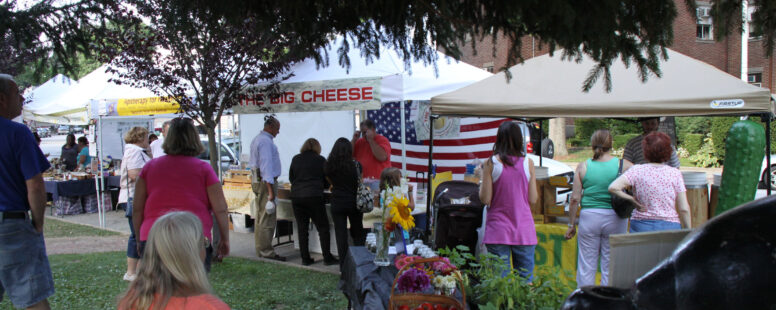
The Oyster Bay Farmers’ Market began inconspicuously enough, on just a few weeks notice during the Better Block event in 2010. There was no time to seriously recruit vendors. What we ended up doing is buying wholesale from a big box grocer and then selling out of a parking lot during a two-day community planning event. The feedback and support

Read More

Downtown – Almont, Michigan

Isaac Kremer/ July 22, 2007/ Civic, downtown, Economic, Field Notes, market, museum, Physical, plaza, Social, storefront, streetscape/ 0 comments

Probably the most impressive historic building in Almont is the First Congregational Church. The prominent tower and spire, steeply pitched roof, and wall buttresses all combine to create a strong architectural statement. Downtown Almont is fortunate to have a number of attractive two and three-story brick buildings. A handful have been covered up with a slip cover, though there likely

Read More

Detroit Festival of the Arts – Detroit, Michigan (2001)

Isaac Kremer/ September 14, 2001/ AI Assisted, Economic, Festival, Field Notes, market, Physical, preservation, Social/ 0 comments

First held in 1982, the Detroit Festival of the Arts was a three‑day arts festival held annually on the second weekend of June in Detroit, Michigan, featuring free musical performances, art exhibitions, children’s activities, and local food. The 2001 edition would have followed the same weekend‑long format, though the dates were moved to the second weekend of September. Holding the Festival of the Arts,

Read More