Northern Manhattan – New York, New York
Shortly after completing graduate blank" >school we were invited to Northern Manhattan to target="_blank" >glossary/document/" class="glossaryLink" data-cmtooltip="34783267122d971b5fe4293b81bbe21c" target="_blank" >document a believed collection of art-deco/" class="glossaryLink" data-cmtooltip="333010d5c7178bf698593899d50fc9cf" target="_blank" >Art Deco apartment houses. What we found surprised even us.
The overwhelming majority of the buildings that we found were of buff colored or light colored bricks with contrasting orange accents.

 3 of 26 in full-screen"/>
 4 of 26 in full-screen"/>


 12 of 26 in full-screen"/>


A less common variant are buff or light colored brick with non-contrasting accents of a similar shade.


Another version are Art Deco buildings with darker colored brick.


The entrances to Art Deco buildings have the greatest concentration of character defining features. A slideshow of these entrances follows:


loading="lazy" decoding="async" width="1024" height="768" alt="" class="wp-block-jetpack-slideshow_image wp-image-143248" data-id="143248" src="http://isaackremer.com/wp-content/uploads/2025/03/100_4654-1024x768.jpg" srcset="https://isaackremer.com/wp-content/uploads/2025/03/100_4654-1024x768.jpg 1024w, https://isaackremer.com/wp-content/uploads/2025/03/100_4654-300x225.jpg 300w, https://isaackremer.com/wp-content/uploads/2025/03/100_4654-768x576.jpg 768w, https://isaackremer.com/wp-content/uploads/2025/03/100_4654-1536x1152.jpg 1536w, https://isaackremer.com/wp-content/uploads/2025/03/100_4654-2048x1536.jpg 2048w, https://isaackremer.com/wp-content/uploads/2025/03/100_4654-800x600.jpg 800w, https://isaackremer.com/wp-content/uploads/2025/03/100_4654-400x300.jpg 400w, https://isaackremer.com/wp-content/uploads/2025/03/100_4654-640x480.jpg 640w" sizes="auto, (max-width: 1024px) 100vw, 1024px" />


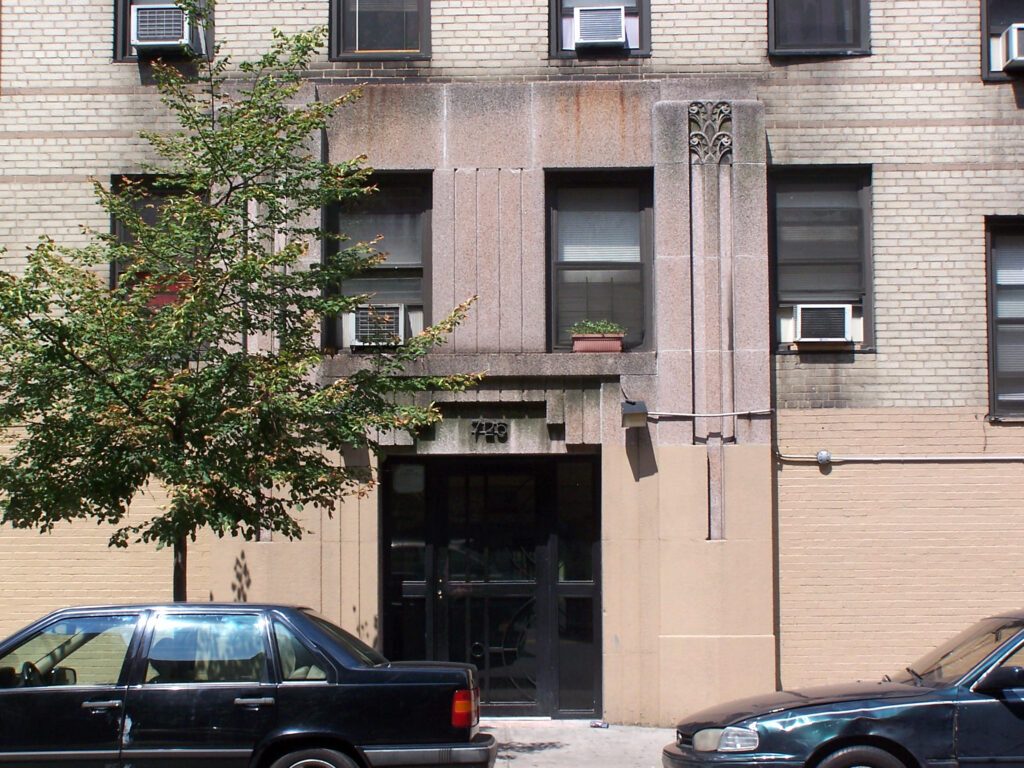
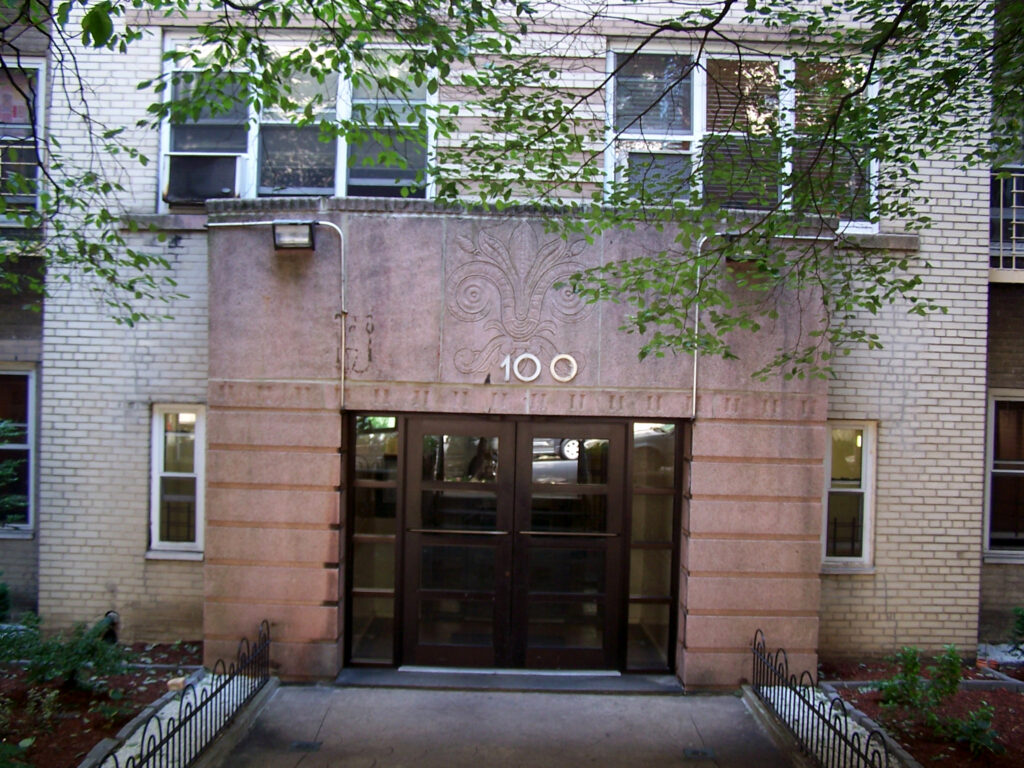


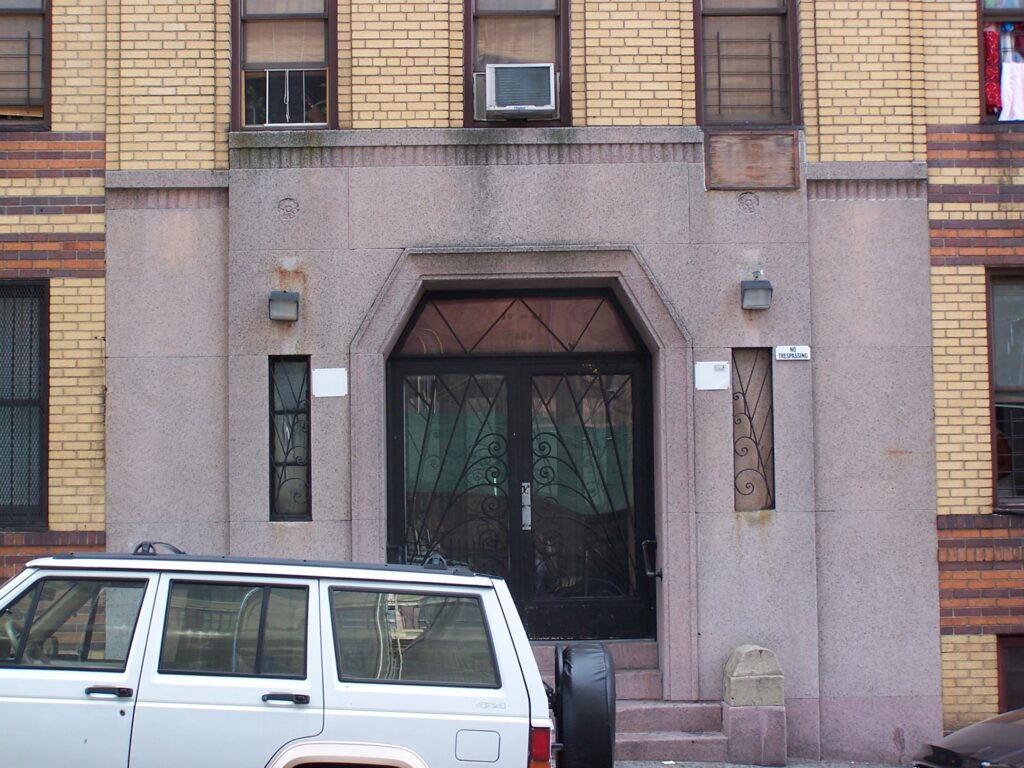
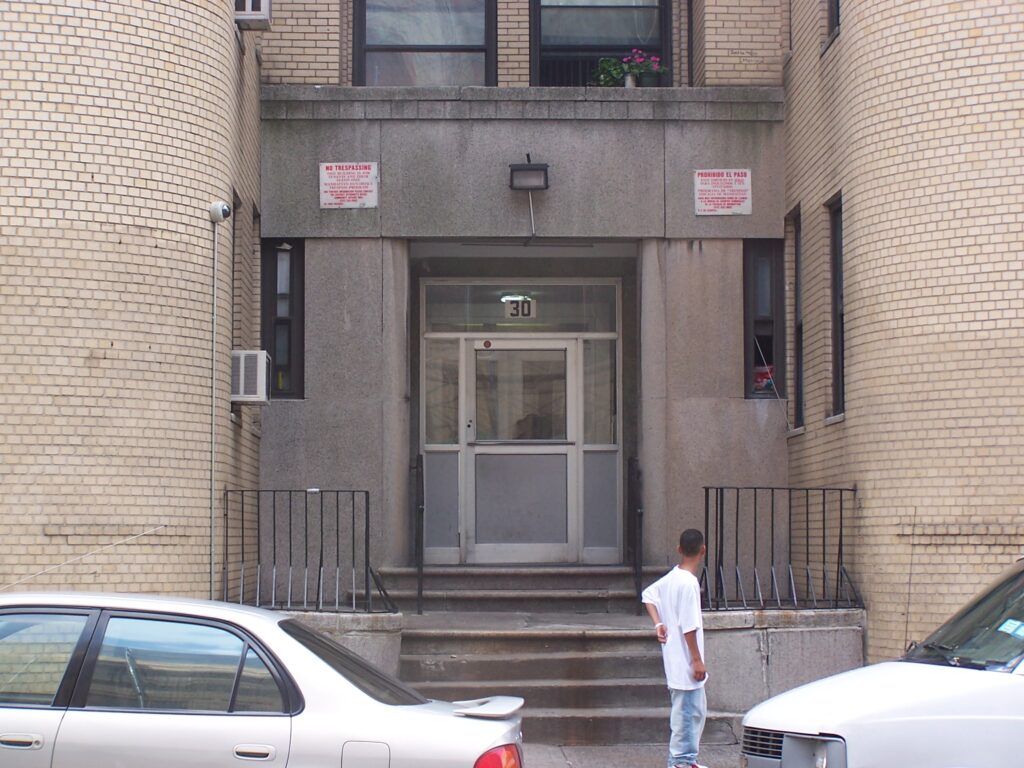
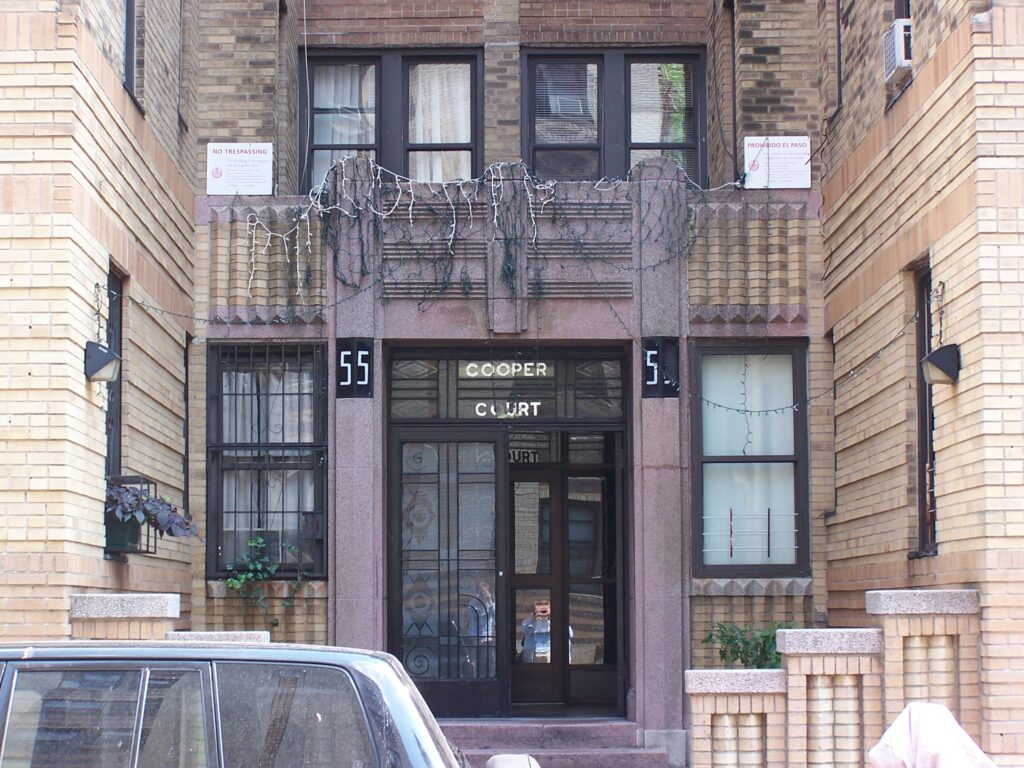

Beyond the main entrance are often lobbies. Details here include terrazzo floors, stylized modern fireplaces, lighting, portholes, and murals.


Architectural tiles in geometric patterns are another feature in Art Deco apartment buildings.


Finally, murals are another character defining feature in the entrance lobbies of Art Deco apartment buildings.


Other architectural details on the finish/" class="glossaryLink" data-cmtooltip="b7fc4184b5bfaa02ddf6636d8f6eb38f" target="_blank" >exterior of the building are evident and repeated. The fountain/" class="glossaryLink" data-cmtooltip="2f202edde6bc168f512b9b0f5ab2186f" target="_blank" >frozen fountain is one.


Another feature is a stylized parapet, often with geometric forms.


Fire escapes are common on many of these buildings. They may be rectilinear with angles at the corners, or curved more in keeping with the nouveau-style/" class="glossaryLink" data-cmtooltip="14c8b857a62267e276c1380e9dda08c0" target="_blank" >Art Nouveau style.


Steel window/" class="glossaryLink" data-cmtooltip="5f67fd917aaf82803e145ac74b779a56" target="_blank" >casement-windows/" class="glossaryLink" data-cmtooltip="0b0b30473fb7429f7ada03a0f5e46394" target="_blank" >casement windows in the corners are another defining feature.


At one time lighting was a character defining fixture. There are many examples of light fixtures not working or replaced with low cost contemporary fixtures, or fixtures that refer to other styles/" class="glossaryLink" data-cmtooltip="b0a8b5492135871e635958fba58bbc65" target="_blank" >architectural styles like the ubiquitous revival-style/" class="glossaryLink" data-cmtooltip="ec8e9618ecd18c6056c14173498423a7" target="_blank" >Colonial Revival styled fixtures.


With this prologue, some examples of Art Deco apartment houses in Northern Manhattan stand out.


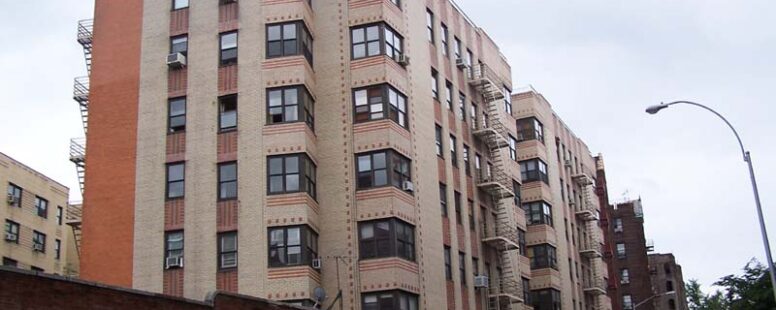
This example has strong vertical lines and spandrel panels of contrasting colors. The parapet has a crenelated effect. Even more remarkable is how the structure has largely remained intact.
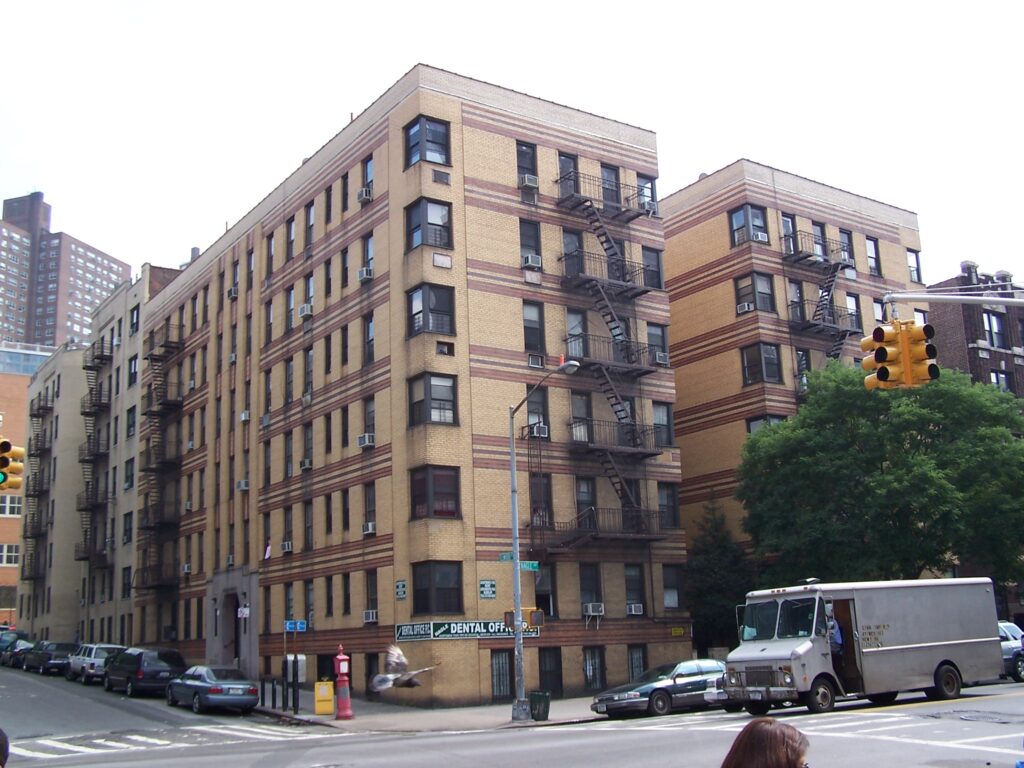
This handsome building has horizontal banding between the window placement for each floor. Further, casement windows on the corners are a distinctive Art Deco feature.
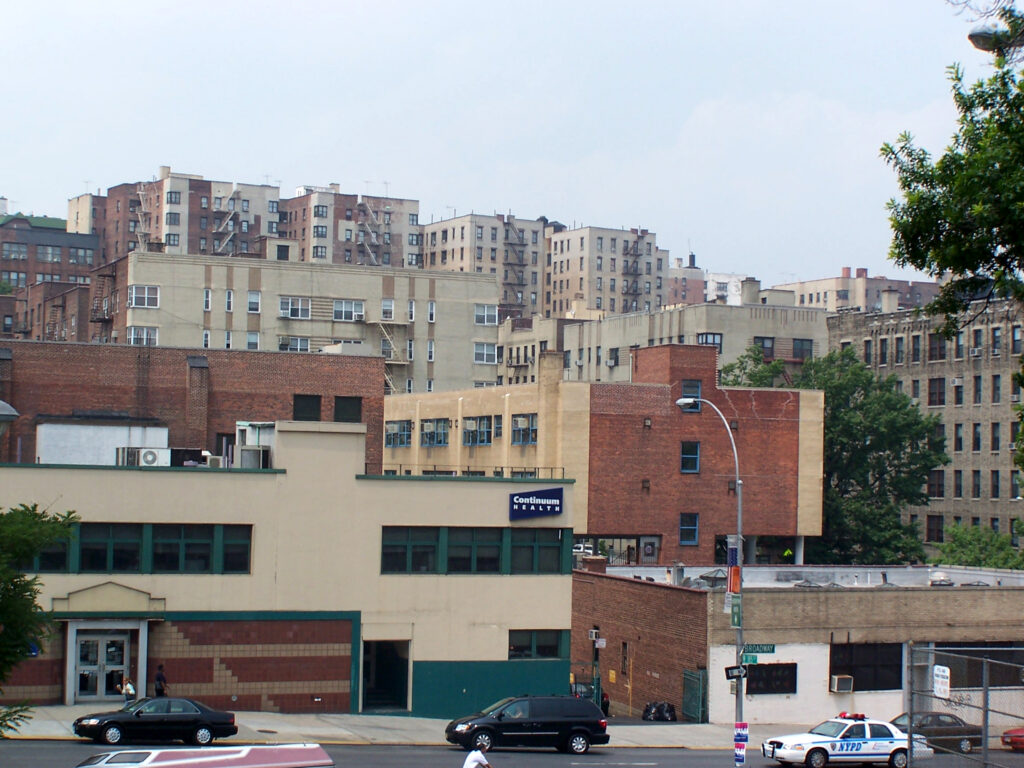
Art Deco is not limited to residential or mixed-use/" class="glossaryLink" data-cmtooltip="5d7601a2115bab6d945428e05fb81177" target="_blank" >mixed use buildings. Commercial buildings, including modest taxpayers of one story only find ways to include Art Deco detailing including cotta-2/" class="glossaryLink" data-cmtooltip="91d68f0dc983938e1e05a7c799848dcf" target="_blank" >terra-cotta/" class="glossaryLink" data-cmtooltip="9a55ce3f4927337251d6a506f7a97069" target="_blank" >terra cotta and decorative tiles.
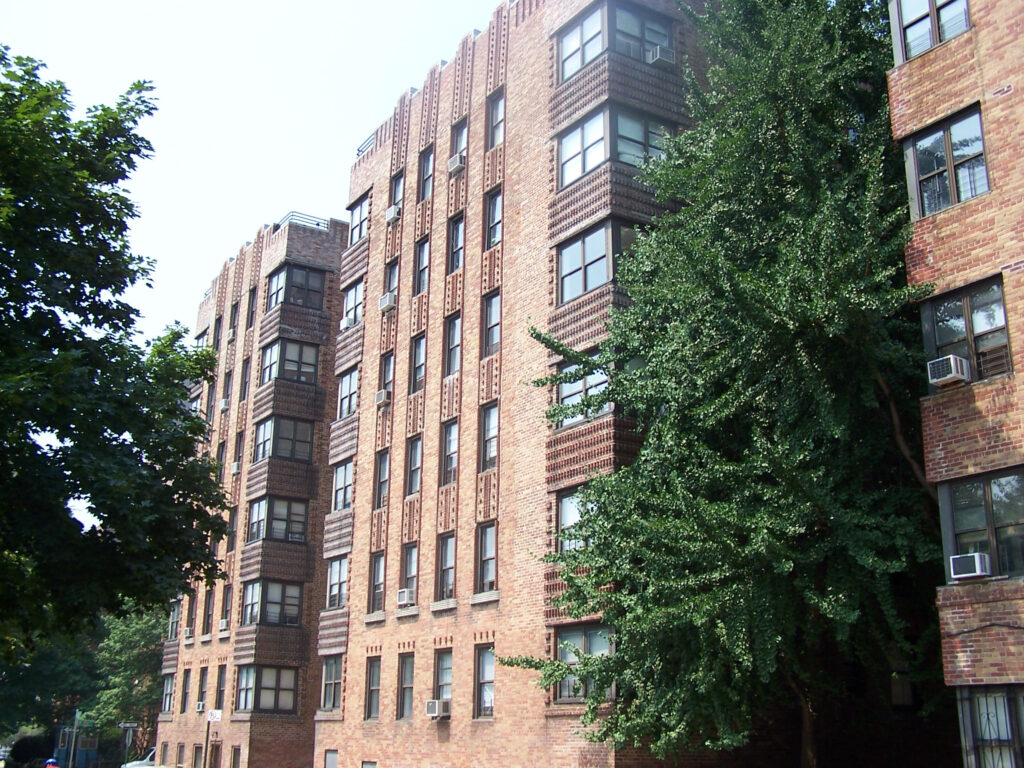
The emphasis in this building is primarily vertical with the spandrel panels pointing upwards. Though the horizontal bead/" class="glossaryLink" data-cmtooltip="578cb1a0f618c79c0949cc78c076b63f" target="_blank" >corner windows bring a historical element with their rows of detailing.

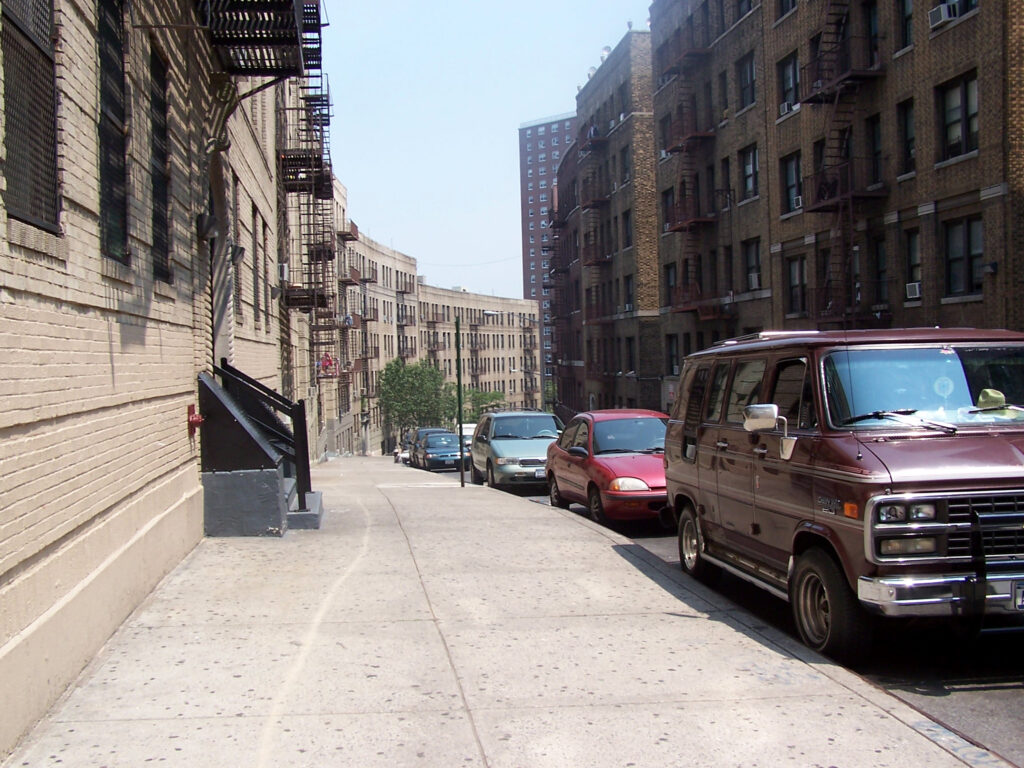
This block shows despite variation in detailing, the relatively similar massing, size, and scale create visual continuity contributing to a uniform streetscape appearance.
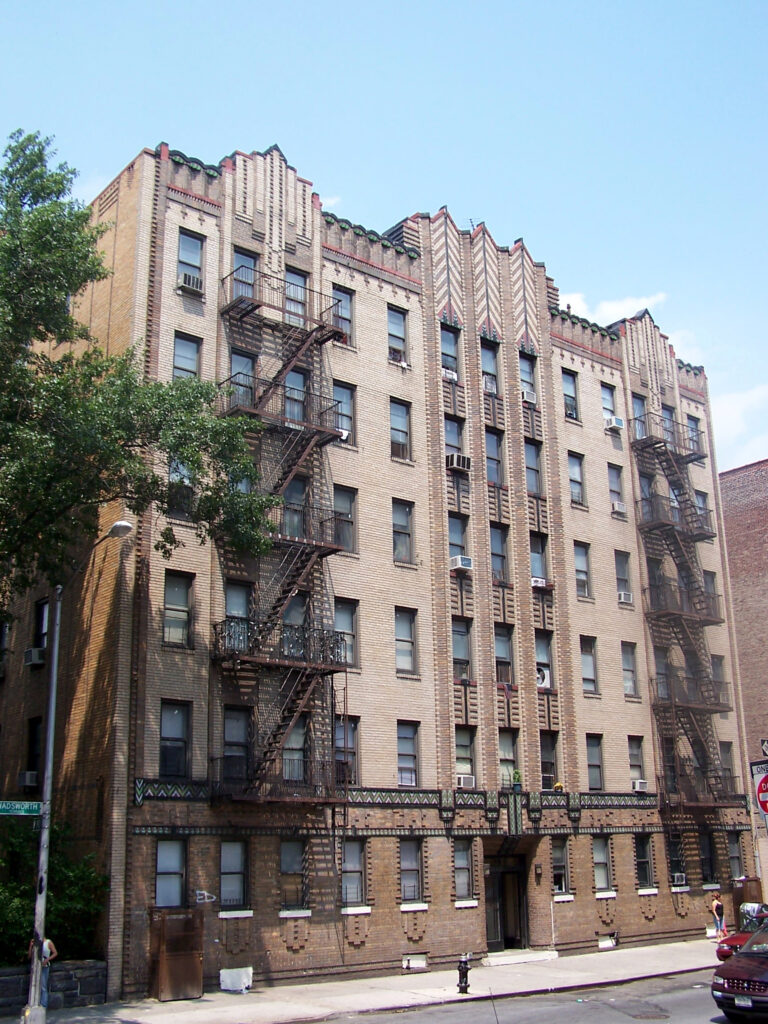
Perhaps one of the most attractive Art Deco apartment houses in Northern Manhattan is here. The vertical elements terminate in a parapet. Alternating colored bricks and decorative terra cotta give this building texture. Finally, the fire escapes and how they are placed against two of the three upward projecting divisions, give their own sense of character to the building. It is no mistake that the direction of the staircases is reversed on either side to maintain the sense of balance.


Art Deco and earlier stylistic approaches to apartment housing later culminated in the large, stripped down public housing projects of a few years later. These were different in the sense they had little if any architectural details.
Another influence of the ARt Deco apartment houses is on contemporary buildings that borrow from the visual language of Art Deco.


Despite this incredible design legacy, threats to the Art Deco apartment houses are many. We observed a parapet on a building being removed by a worker with a hammer in a single day. While a time and cost saving expedient, this forever changes the integrity of the building.


Perhaps our greatest take away is how the Art DEco apartment houses contribute to a fabric of buildings that gives Northern Manhattan a distinctive, albeit low slung identity. This would be destroyed by larger skyscrapers in this environment.