

Clay Lancaster – Warwick, Kentucky
On the Kentucky River, James Harrod and party landed in 1774, founding Harrodsburg. Called “Harrod’s Landing,” this location was a major rendezvous for militia. It became site of Warwick, founded 1787. Trustees included early surveyor Samuel McAfee, future governor Christopher Greenup, and the noted military leader Hugh McGary. Warwick flourished for some 50 years and was succeeded by Oregon. Both were early shipping ports. Flatboats, during Warwick era, and later steamboats, at Oregon, ran regularly to New Orleans. The point was at head of slackwater navigation on the Kentucky River. The creek is still called Landing Run because of significance to James Harrod.
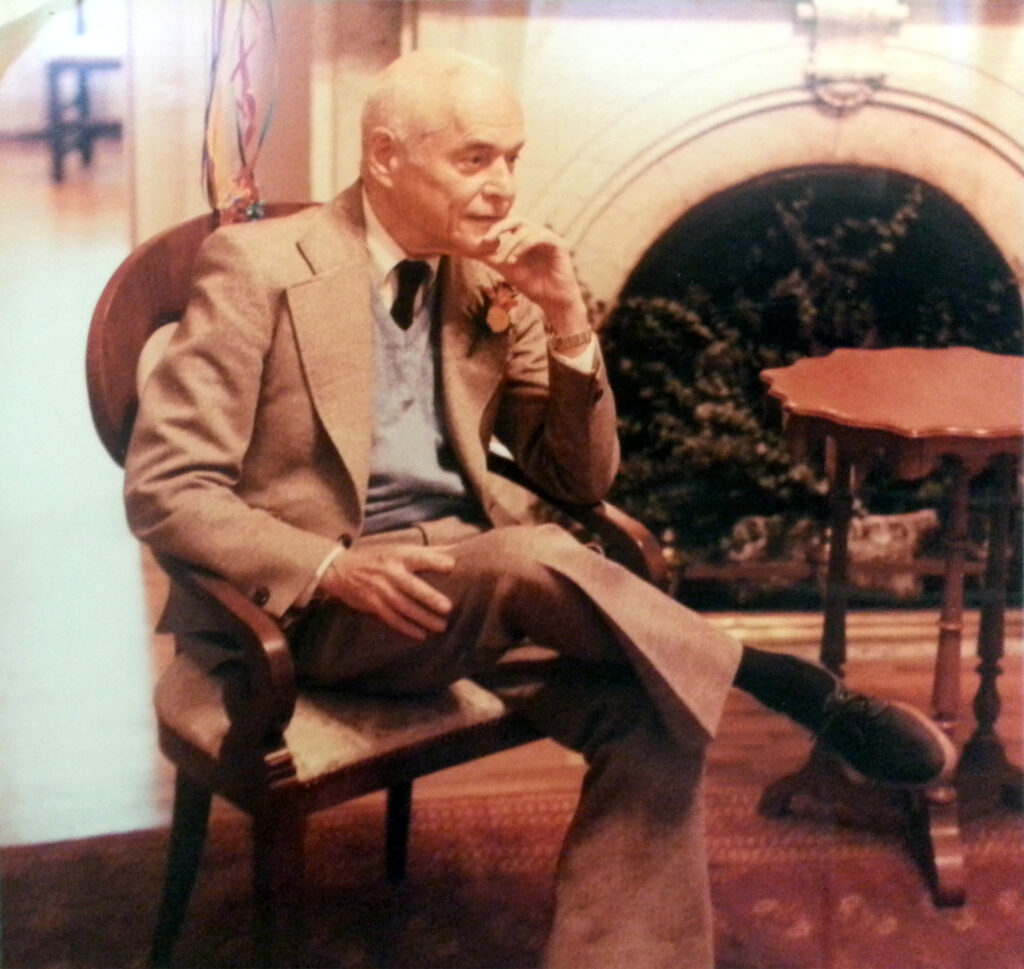
A native of Lexington, Kentucky, Clay Lancaster (1917-2000) won recognition both regionally and internationally for his scholarship, creativity, and advocacy in a variety of fields. Many knew him for his work in formal nineteenth and twentieth-century American architecture, which included studies of architects and structures not only in Kentucky, but in NEw York and Massachusetts, as well. The arts and ideas of the Far East were his second major enthusiasm. His 1963 title, The Japanese Influence in America, is perhaps his most widely known book and remains a key text.
In addition to works on architecture and oriental art, Clay Lancaster was a writer and illustrator of half a dozen books for children. These began with The Periwinkle Steamboat, published by Viking in 1961. This was soon followed by Michiko.
Clay Lancaster also taught courses in art and architecture at the Metropolitan Museum, Columbia University, Transylvania University, the University of Louisville, and the University of Kentucky. He was a frequent lecturer on architecture, served widely as a consultant, and was an outspoken advocate for historic preservation. He returned to Kentucky in 1978, continuing on as a writer and artist.


Clay Lancaster’s octagonal tower derives from his long fascination with polygonal buildings and their relationship to nineteenth-century American architecture. In June of 1947, Clay published “Some Octagonal Forms in Southern Architecture” in The Art Bulletin. His brother Jack even took his picture in front of the octagonal Longwood, or “Nutt’s Folly,” in Natchez, Mississippi, built after plans in Samuel Sloan’s Model Architect.
In his Architectural Follies in America (1960) Clay extensively surveyed the architectural history of the octagon, citing Poplar Forest, Thomas Jefferson’s Bedford County, Virginia, retreat. For the nineteenth century, the key document for popularizing the octagon form was a book entitled A Home for All; or The Gravel Wall and Octagon Mode of Building. All were important for encouraging the use of poured concrete to make 135-degree angles.
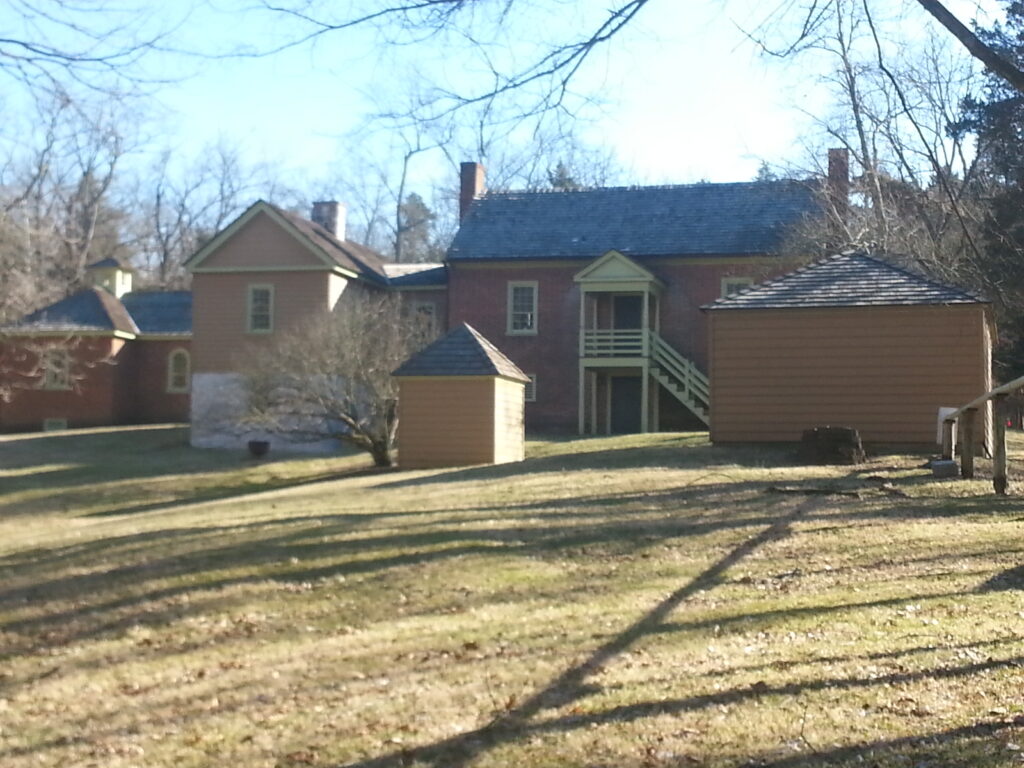


The Moses Jones House, constructed between 1890 and 1811, is the oldest building within the complex. It was acquired by Clay Lancaster in 1978, when he returned to Kentucky after living in New York City, Brooklyn Heights, and the island of Nantucket, Massachusetts.
During his years at Warwick, Clay Lancaster designed a small banqueting house with eighteenth-century architectural features. The tea house and the tower were undertaken by Williamsburg-trained builder and craftsman Calvin Shewmaker.