

Abraham Lincoln Birthplace – Hodgenville, Kentucky (2012)

Abraham Lincoln was born on February 12, 1890, in a log cabin near Sinking Spring. Growing up in rural Kentucky, his character was shaped by the hard work and tragedy of frontier life. As the 16th president, his policies and politics saved the Union and ended slavery in the United States. The park has two locations: the Birthplace where the Lincoln family lived from 1808 to 1811 and the Boyhood Home at Knob Creek where the Lincolns lived from 1811 to 1816.

A Memorial building was erected by popular subscription through the Lincoln Farm Association. Joseph W. Folk was President, Robert J. Collier, Vice President and Chairman of the Executive Committee, Clarence H Mackay, Treasurer, and Richard Lloyd Jones as Secretary. John Russell Pope was architect. The corner stone was laid by President Theodore Roosevelt on February 12, 1909, and the completed monument was dedicated by President Taft on November 9, 1911.
The Board of Trustees of the Lincoln Farm Association was a who’s who of leading figures in the early 20th century.
- William H. Taft, President of the US
- Joseph W. Folk
- Horace Porter
- Charles E. Hughes
- Oscar S. Stravs
- John A. Johnson
- Albert Shaw
- Samuel L. Clemens, author also under the name of Mark Twin
- Clarence H. Mackay
- Norman Hapgood
- Lyman J. Gage
- Samuel Compers
- August Belmont
- Robert J. Collier
- Augustus E. Willson
- Henry Watterson
- Jenkin Lloyd Jones
- Thomas Hastings
- Ida M. Tarbell
- Charles A. Towne
- Richard Lloyd Jones
- Cardinal Gibbons
- Joseph H. Choate
- Edward M. Shepard
- William J. Bryan
- Charles E. Miner
- William T. Jerome
- Augustus St. Gaudents, artist and sculptor


John Russell Pope’s neoclassical architecture reflects the nation’s adulation of Abraham Lincoln and its budding interest in historic preservation after the Civil War. The Lincoln Farm Association constructed this Memorial Building between 1907-911 to preserve what was thought to be Lincoln’s birth cabin as a “national shrine” perpetuating his life as an “abiding symbol of opportunity with which democracy endows men.” The association’s dream came true in 1916 when the site was designed the Abraham Lincoln National Park. About 40 years later, further research revealed that the cabin was not the original Lincoln cabin. However, it remains an icon of Lincoln’s humble beginnings.

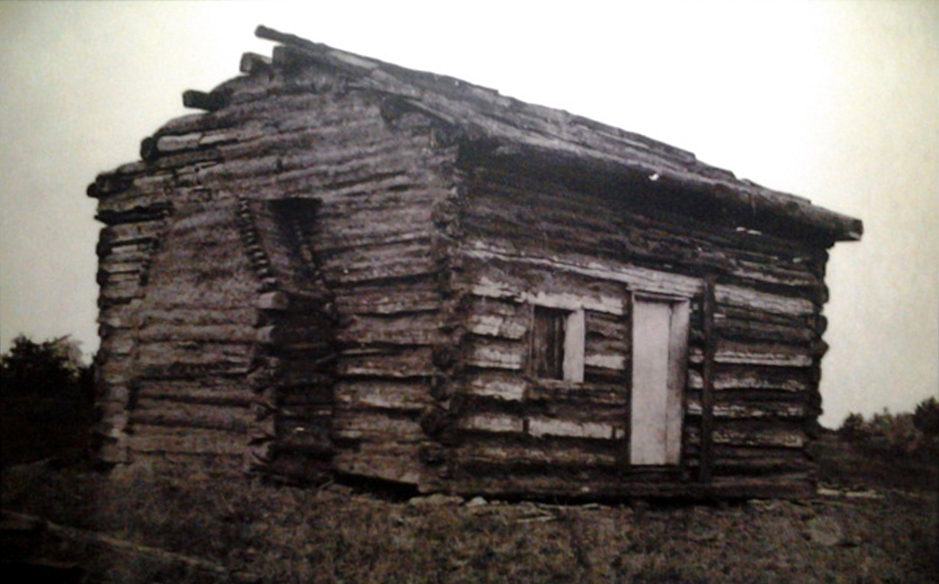
One method to determine the actual cabin site was identification of a “boundary oak” that preceded Lincoln’s birth by approximate 28 years. An 1805 survey showed the tree as a property line marker. The Lincoln family cabin is believed to have been within 150 yards of the tree. The tree grew to a diameter of six feet and 90 feet tall with braches spread 115 wide, before the tree tied in 1976.

The Lincoln family had an impressive journey from Massachusetts through New Jersey, Pennsylvania, Virginia, Kentucky, Indiana, and Illinois before thrusting Abraham Lincoln to Washington, DC as President.
