
Walking the Boone Trace (2014)
The Transylvania Company organized by Richard Henderson in North Carolina, purchased the land south of the Kentucky River from the Cherokee Indians for resale to settlers. Daniel Boone was hired to lead the Transylvania Company expedition into Kentucky to claim it and build a fort. Many years later in an effort to underscore Boone’s significant life and accomplishments, a modern day traveler set out on foot to follow the Boone Trace as Daniel Boone traversed it as closely as possible.
Day 1 – March 15
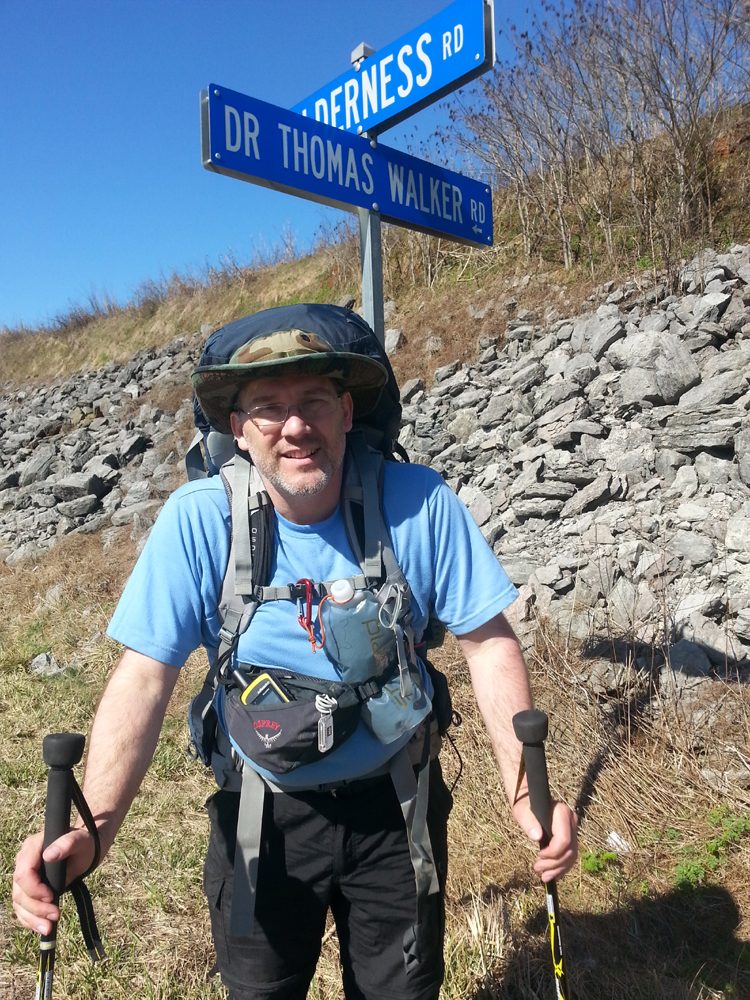
I first met Curtis Penix\ on March 15, 2015 somewhere in Virginia before he crossed over the Cumberland Gap into Kentucky.
First, a bit of origin on the Boone Trace and the precursor Wilderness Road.
The Wilderness Road was not the first path for travel in Powell’s Valley. For generations, the Cherokee to the south, in what is now Eastern Tennessee and western North Carolina, and the Shawnee from the north, in what is now modern day Ohio, used a footpath through the region to wage war upon one another.
This path in the Native tongue was called Athiamiowee, which appropriately means “Path of the Armed Ones”. This path, later known as the Warriors Path, extended from the principal town sites of both native nations through the middle-ground, a vast wilderness territory that would one day become Kentucky. A branch of the famed Warriors Path ran through this portion of Powell’s Valley.
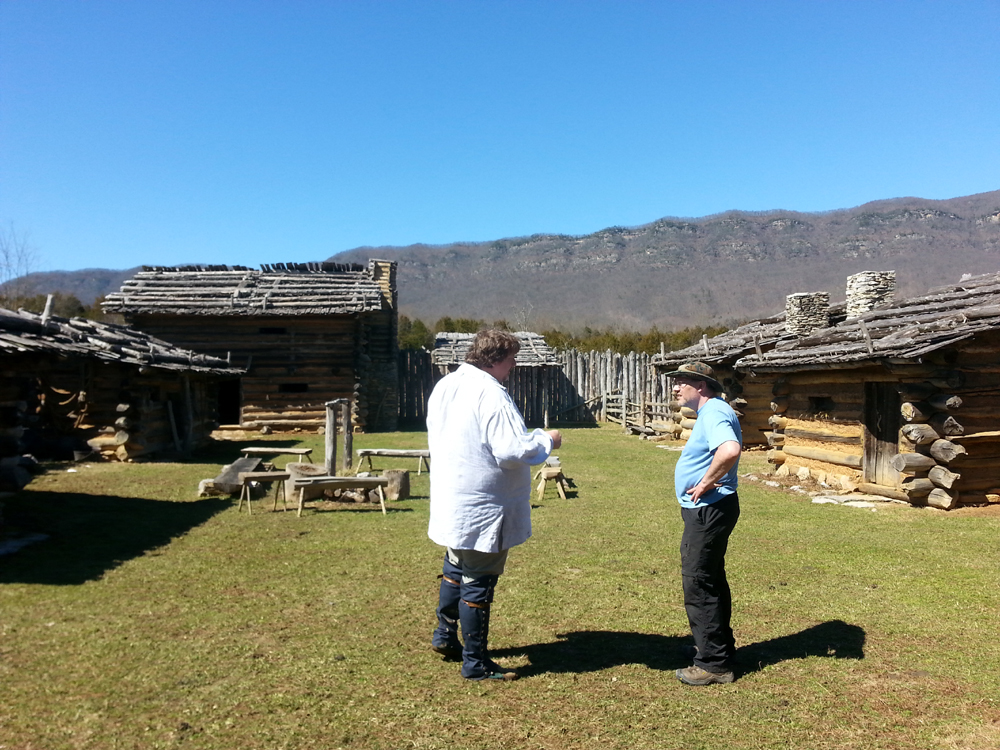
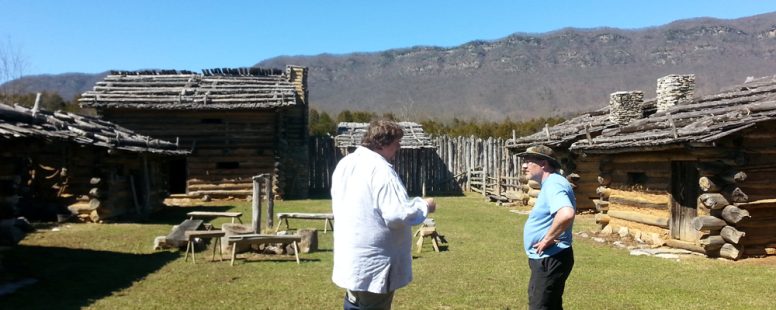
Wilderness Road State Park in Virginia is near where Daniel Boone and his party prepared for crossing of the Cumberland Gap. A fort has been reconstructed there to recreate this important location.
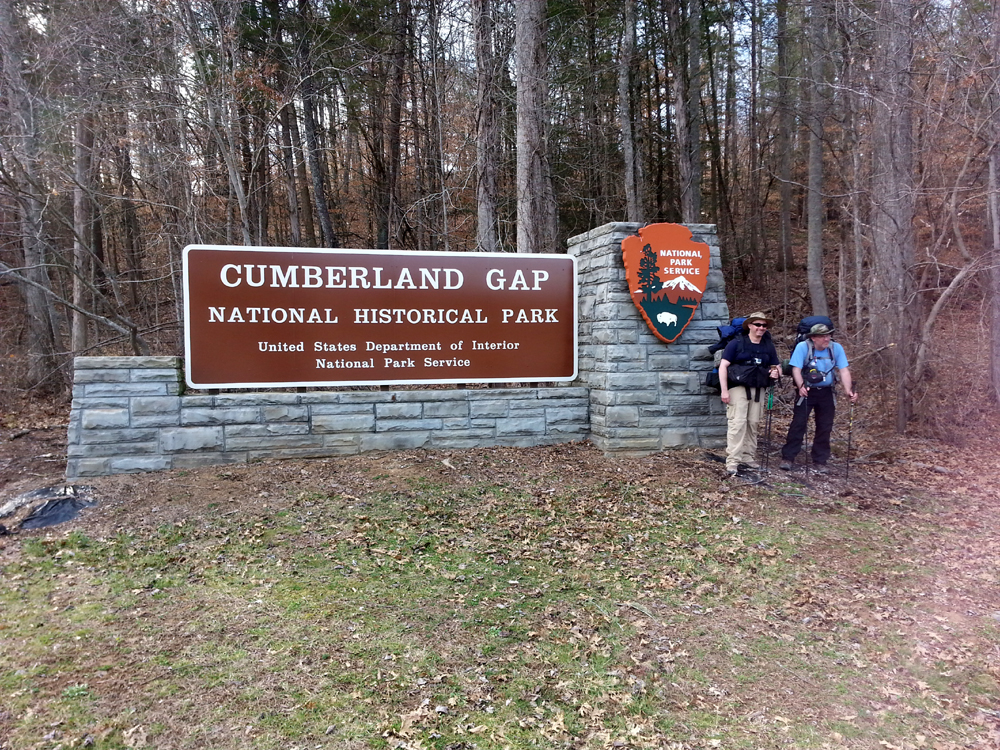
After departing from the state park it was a short distance to the entrance of the Cumberland Gap National Historical Park. Here at a campsite they spent the night before resuming their journey the next day.
Day 2 – March 16
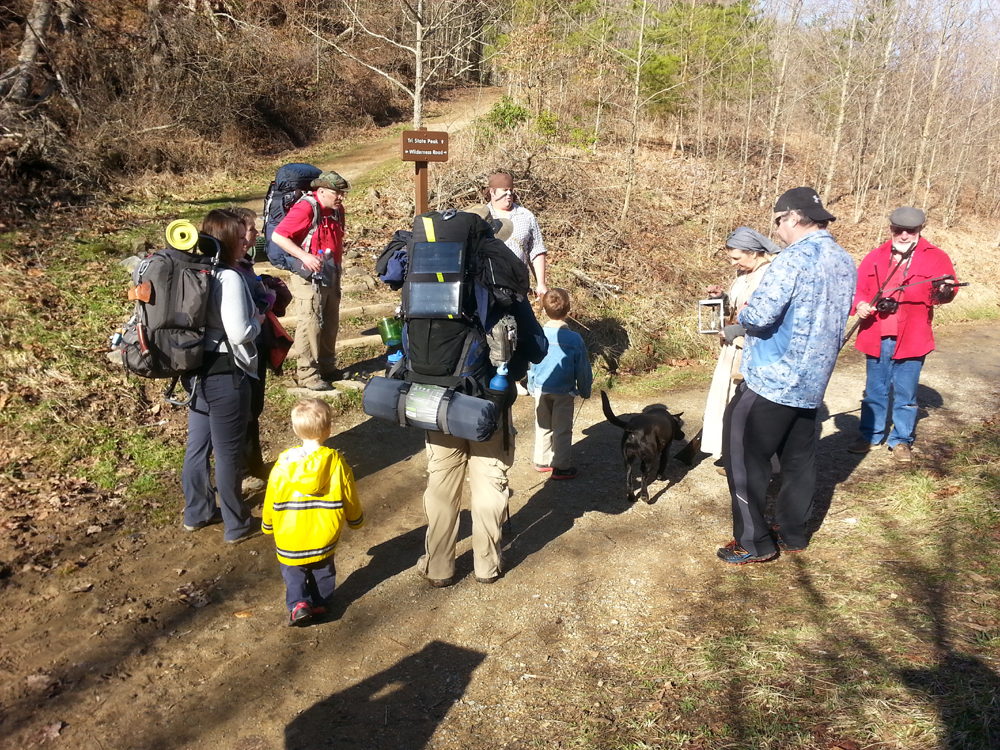
Interpreters, hikers, and media professionals joined Mr. Penix as he prepared to cross the Cumberland Gap.
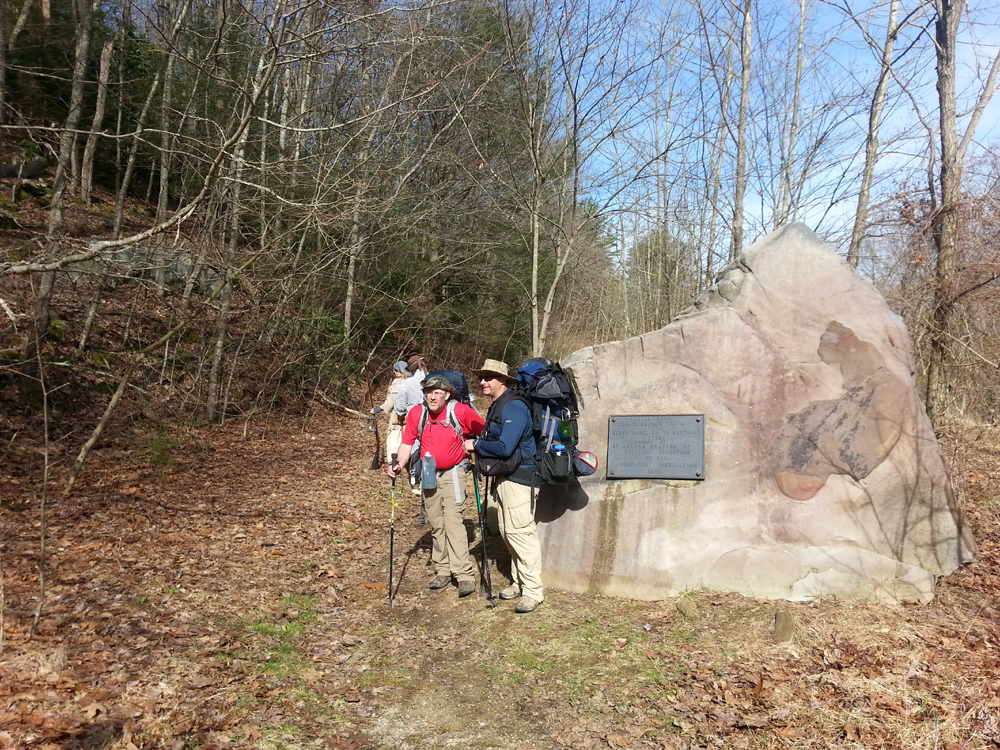
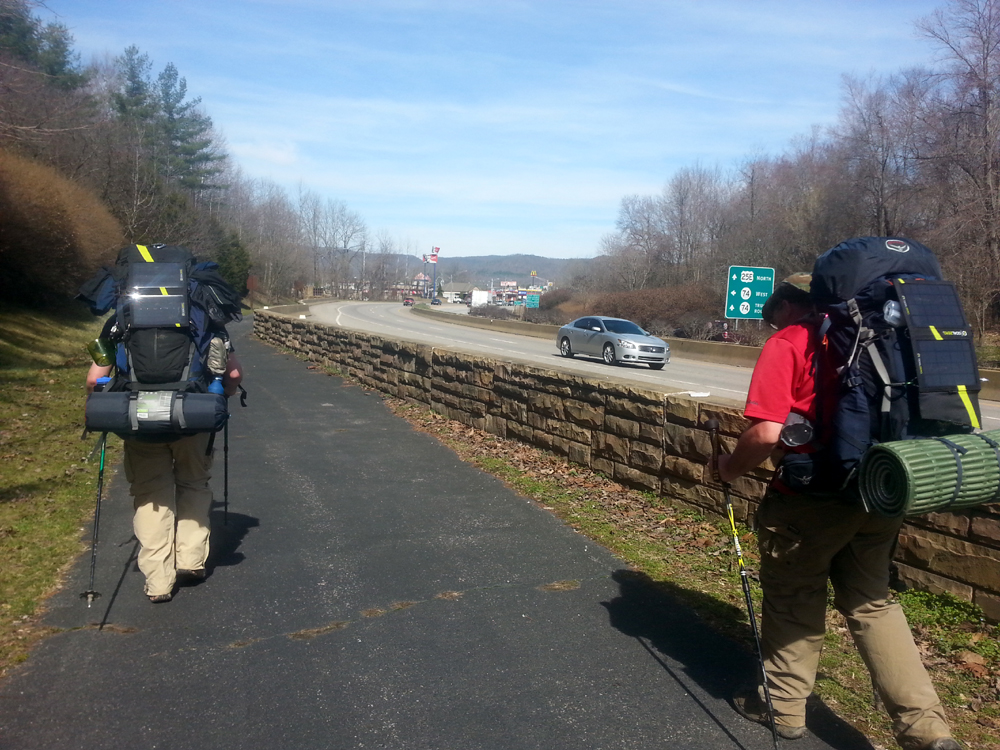
Having crossed the Cumberland Gap the hikers made their way into Middlesboro where they spent the night.
Day 3 – March 17
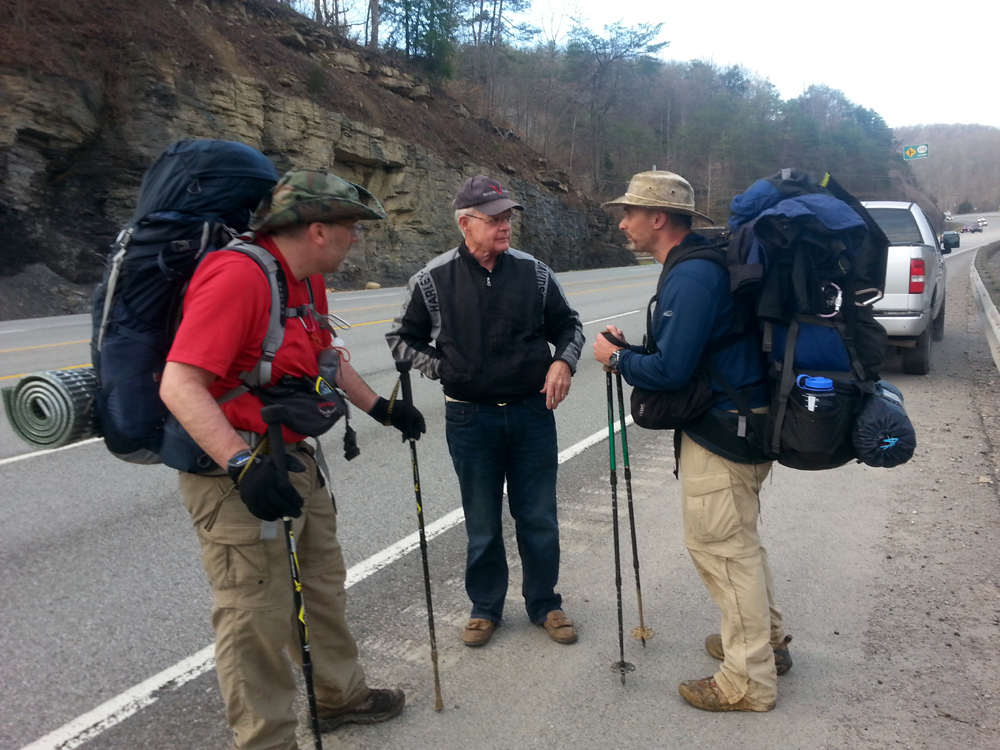
The morning of the 17th they had made their way to Pineville, Kentucky. People met them near Pineville as they prepared to disembark that morning.
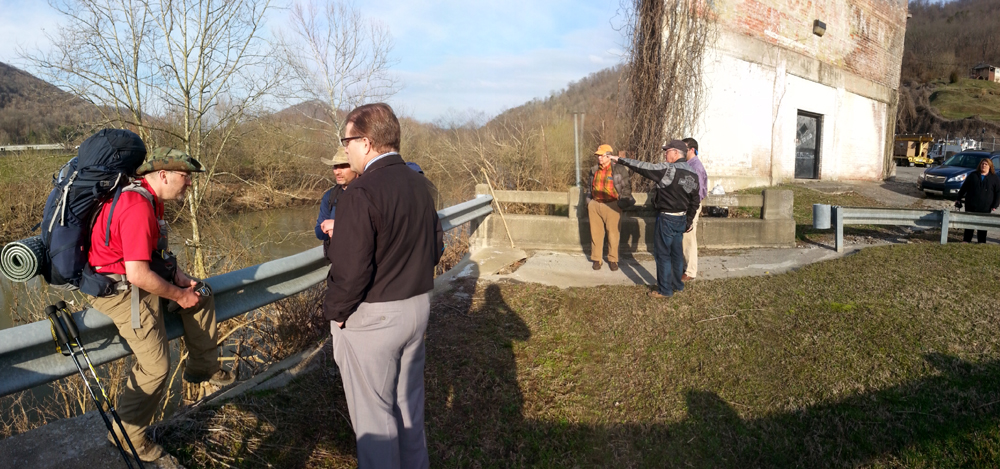
Pictured here, Mr. Penix and his travel companion are meeting with the Mayor of Pineville. Near this site where the creek enters the river, on April 17, 1750, Dr. Thomas Walker first viewed the river he named for the Duke of Cumberland. Known as the Narrows, this area became a significant gateway for travelers on the Wilderness Road. Later that meant that Daniel Boone also passed this way covering a similar path to the Wilderness Road.
Final Day – March 26
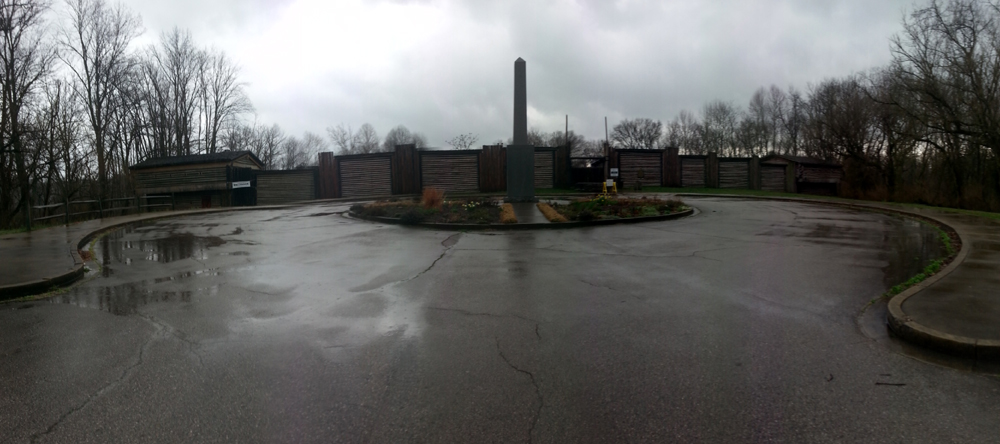
Nine days after we left them the hikers made their way to Fort Boonesborough where the journey of Daniel Boone ended. Boonesborough, “Capital of the Colony of Transylvania,” was settled
April, 1775, by Daniel Boone as the first fortified settlement in
Kentucky. A fort was built here under his direction according to Henderson’s plan during the spring and summer of 1775. The fort withstood assaults by formidable bodies of Indians on April 16th and July 6, 1777 and August 8, 1778.
Near the fort under the “Divine Elm Tree” in May, 1775,
Colonel Richard Henderson held the first legislative assembly of
frontier settlers of Harrodsburg, St. Asaph, Boonesborough and Boiling Springs settlements.
In 1778 the Kentucky frontier was saved by two major military victories: The settlers withstood the Great Siege of Boonesborough and George Rogers Clark defeated British and Indians at Kaskaskia and Vincennes. This fort became the first town chartered in Kentucky, October, 1779, by the Virginia Assembly.
The fort was reconstructed on this site which overlooks the original site on the Kentucky River to commemorate the courage of Daniel Boone, the pioneers he led, the Indians they fought and the contribution the fort made to the settling of this country.
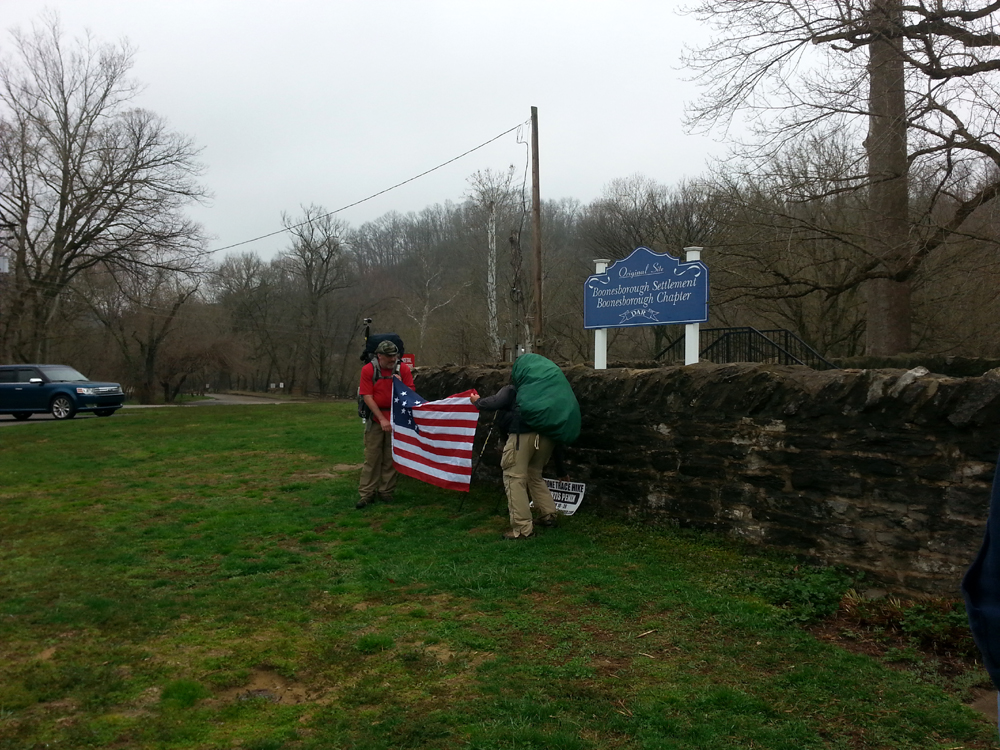
To mark the end of their journey, Mr. Penix and fellow traveler displayed an American flag.
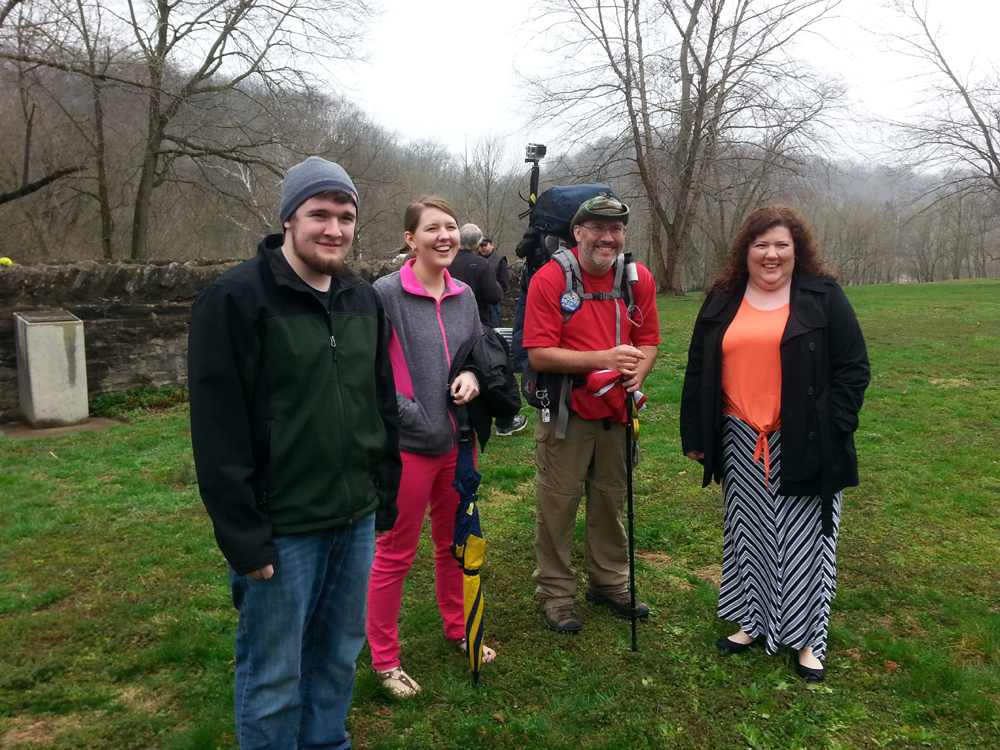
Here he was reunited with his wife and family after hiking for several weeks.
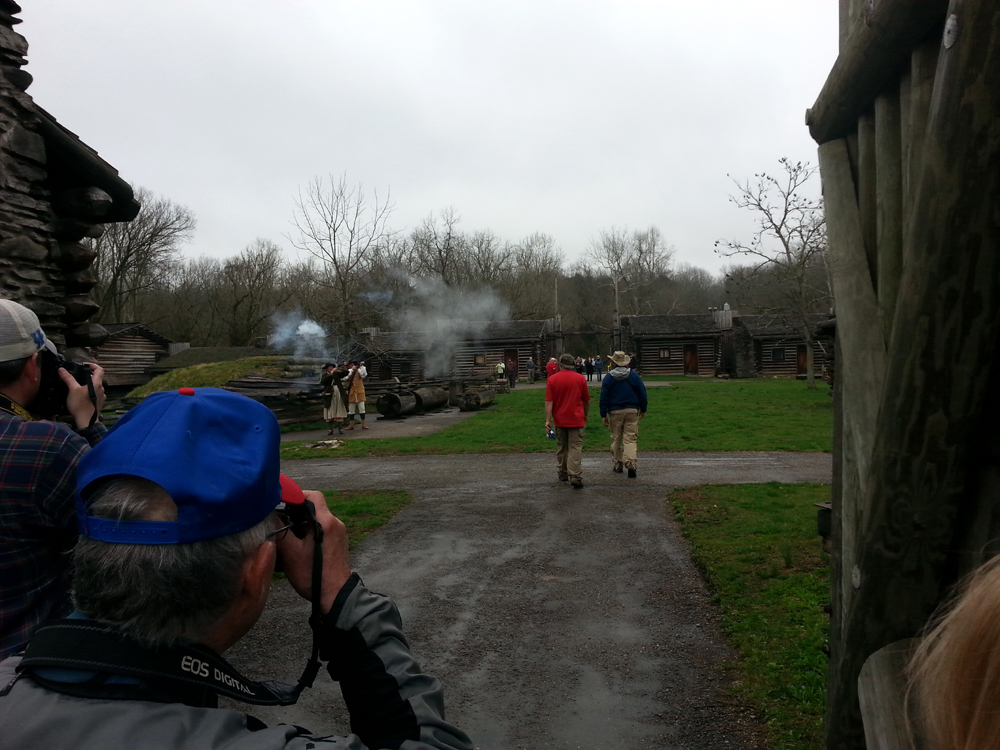
Walking inside the fort he was greeted be reenactors providing a shotgun salute.
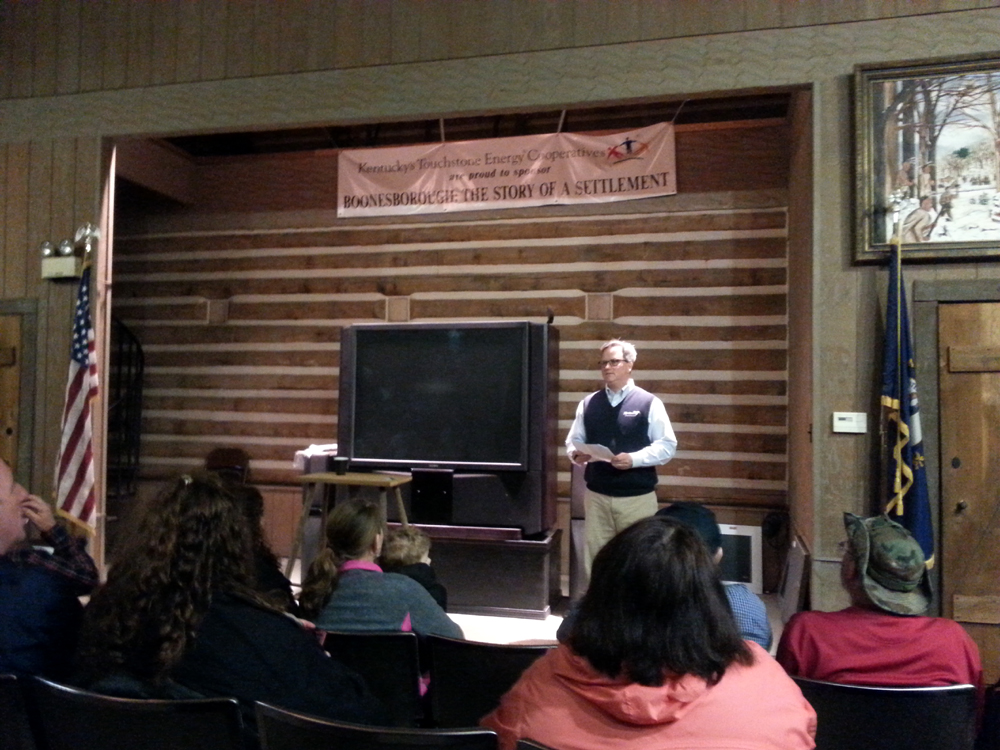
A brief program was held in an auditorium building at the fort to recognize Mr. Penix and his impressive accomplishments. And, with that, their trek had ended and people dispersed.