

Visit to Albion, Michigan (2013)
I received an invitation to participate in a program on the All-America City award that Albion received in 1973. The event was to mark the 40th anniversary on July 18 and held at the Albion District Library. While a student I had studied this time period extensively and even referred to it in my undergraduate thesis. So, naturally, I was happy to accept the invitation.
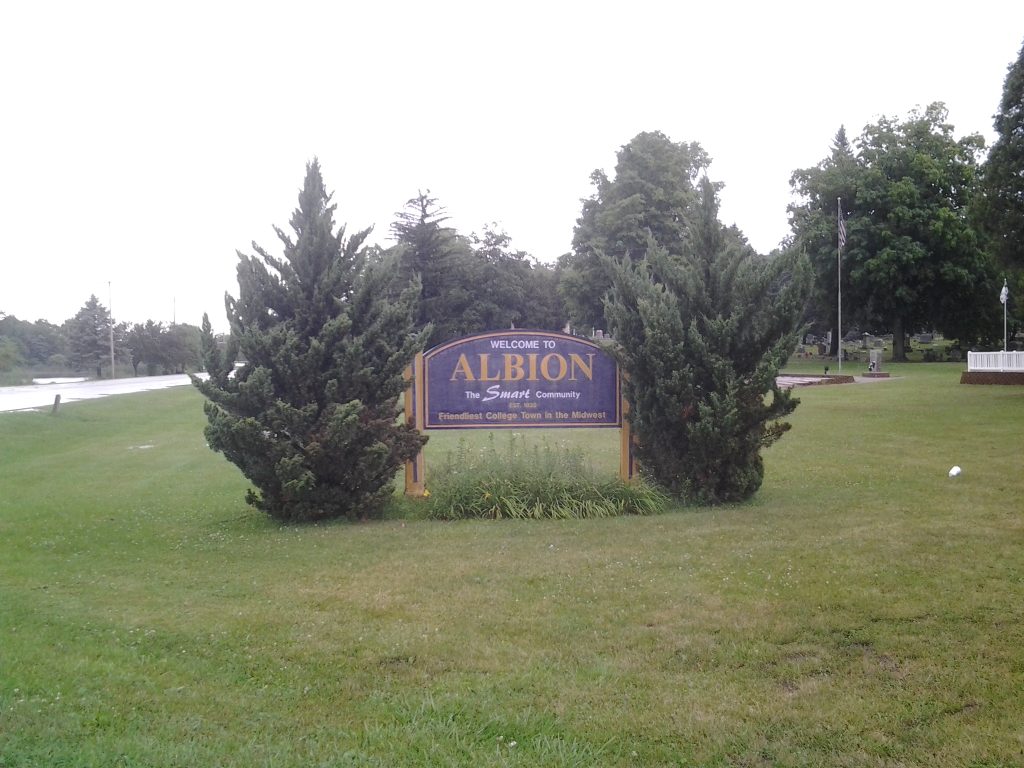
One of the first things I saw upon arriving was the welcome sign with “The Smart Community” and a second tagline the “Friendliest College Town in the Midwest.” I remember as a student how the smart community line felt a little forced.


Significant erasure occurred in the heart of the Supper Street National Commercial Historic District with the demolition of the Eslow Building and others attached to this. This was merely a precursor of even more significant future demolition to make way for a hotel.
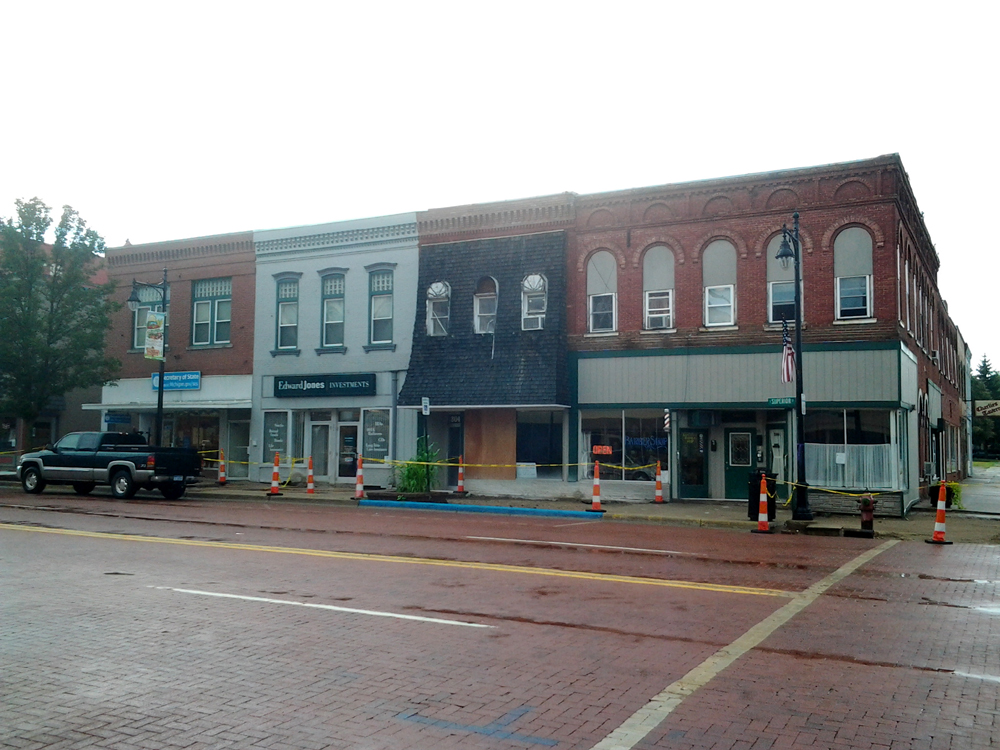
This block, once home to several banks has seen better days.
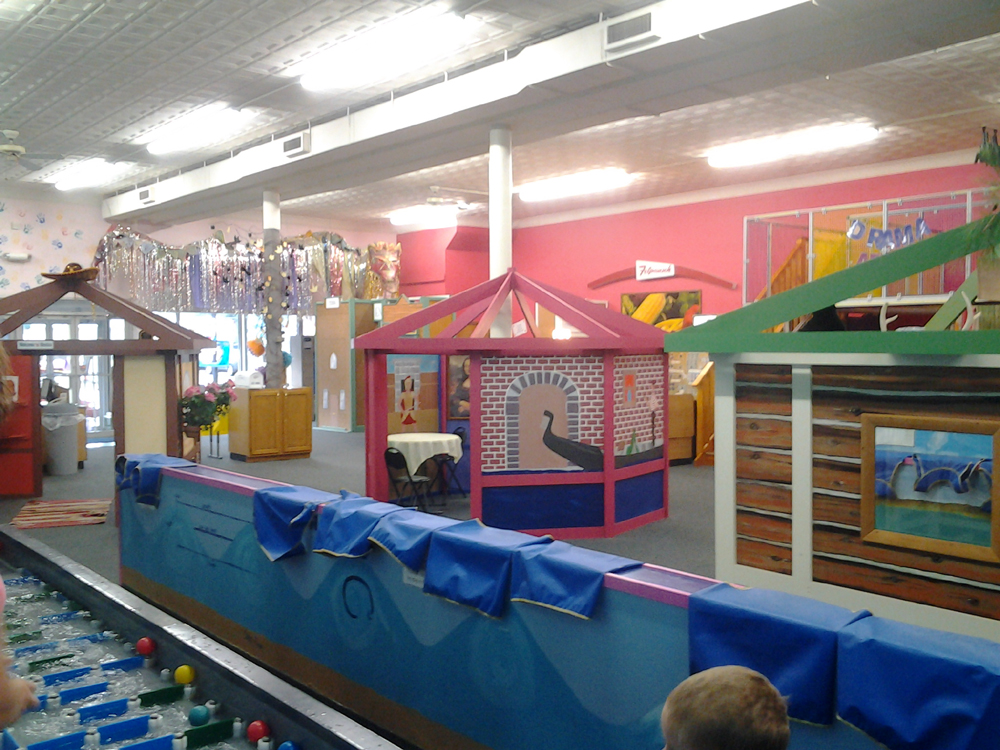
One success story was conversion of the previously vacant J.C. Penney’s store into the Kids ‘N Stuff Children’s Museum. While visiting with my two kids they had a very enjoyable time exploring around. The water table especially was a big hit.
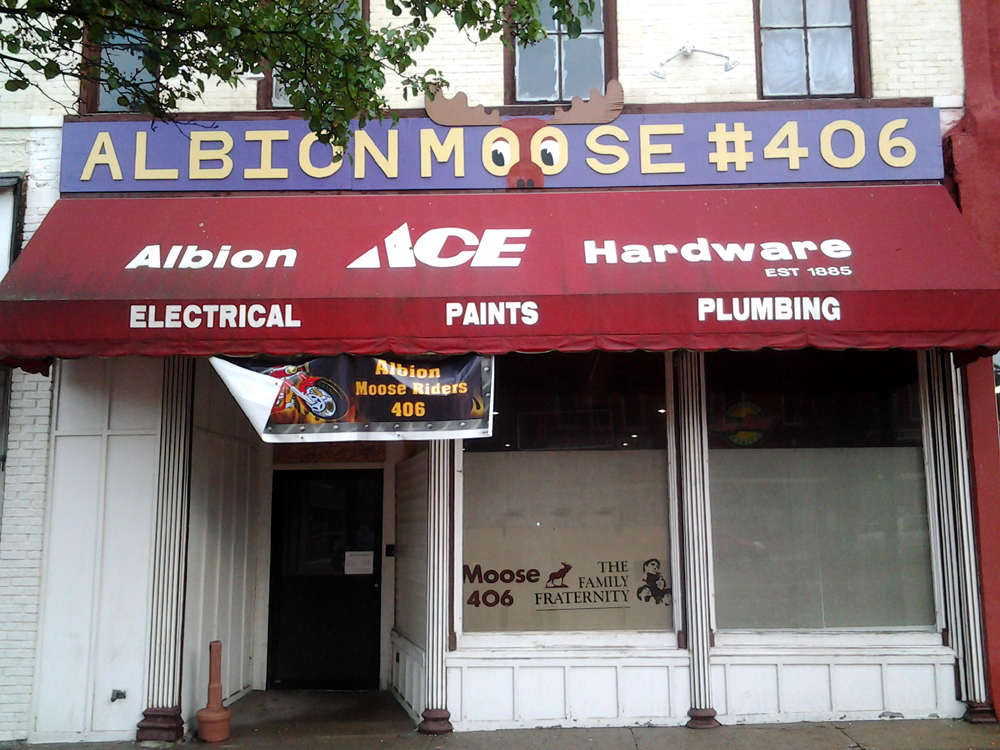
The Albion Ace Hardware, established in 1885, apparently had given way to the Albion Moose 406 family fraternity.

Across the street was perhaps one of my favorite buildings in Albion. The Park’s Drug Store occupied the ground floor. At one time the upper floor was home to James W. Sheldon and Mary Sheldon Ismon. The third floor was a hotel accommodating visitors. The owner of the business leant me a key while a student and I gave countless tours of the upstairs.
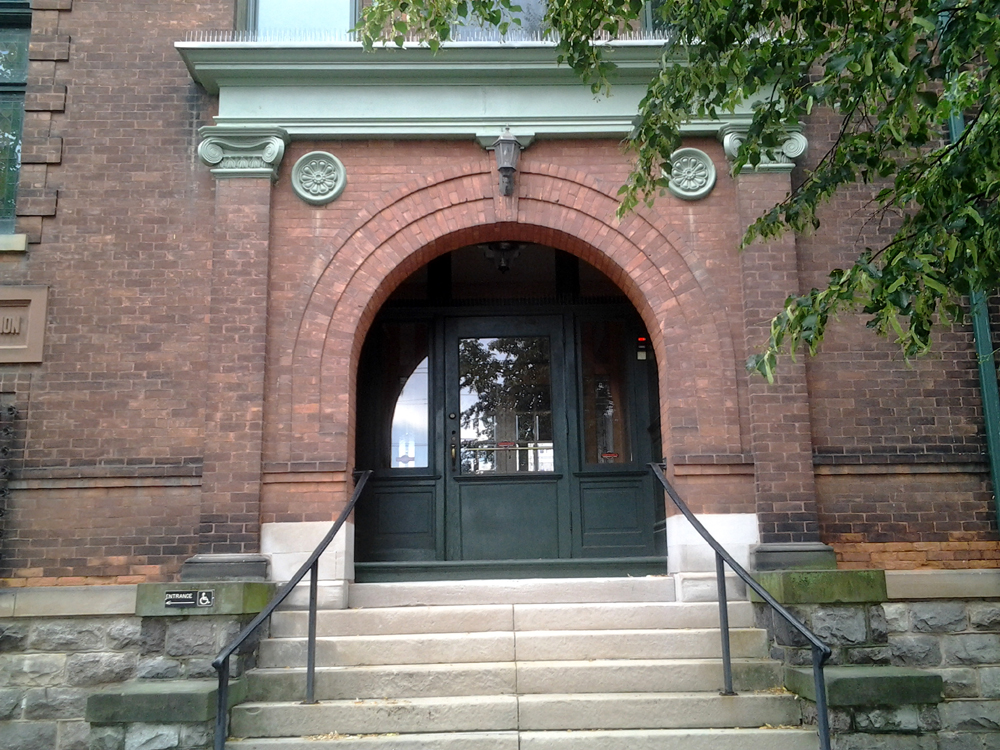
Another success story in the making was the conversion of the Mary Sheldon Ismon Building from home of the Leisure Hour Club to more of a community facility available for event rental. The Leisure Hour Club, in return, decamped to a location along the Kalamazoo River near the plaza and market downtown.
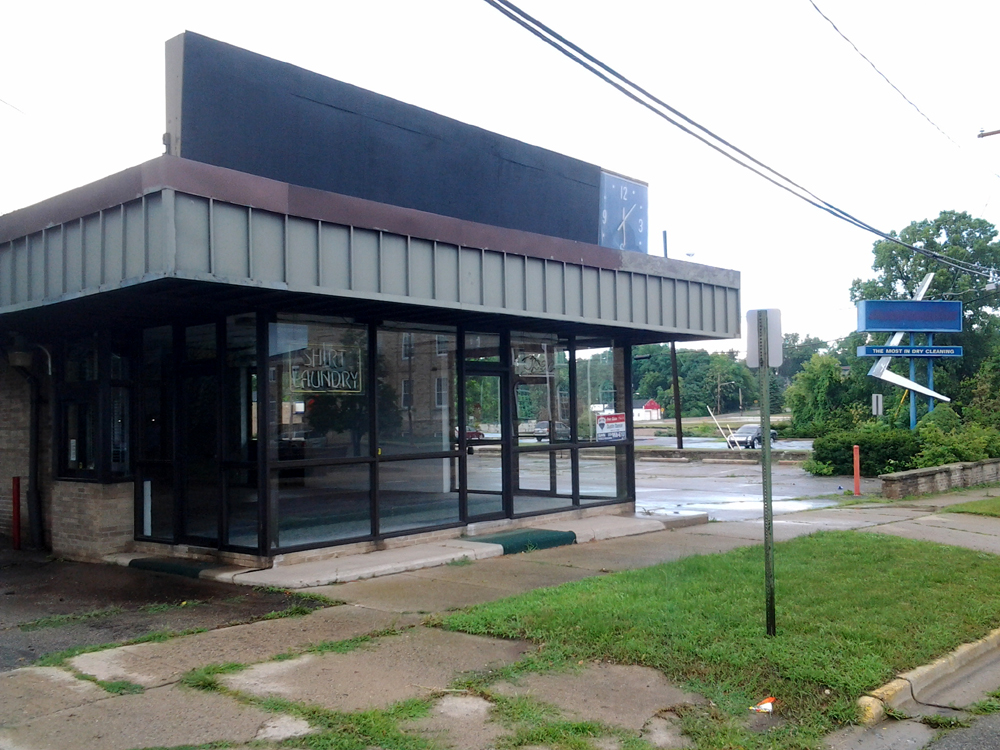
One Hour Martinizing had its start in Albion. Ironic how decades later the location was left abandoned, despite the company living on.
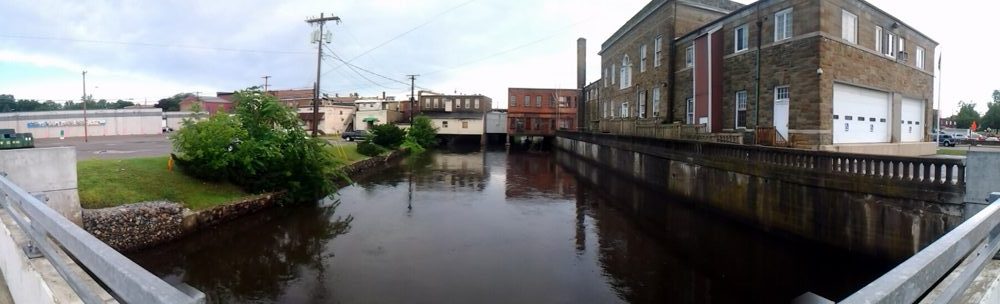
One of the most distinctive features in Albion is where the Kalamazoo River flows beneath buildings on Superior Street. These are suspended over the river so as to not interrupt the streetscape. The building to the right is the City Hall, built precariously close to the river.
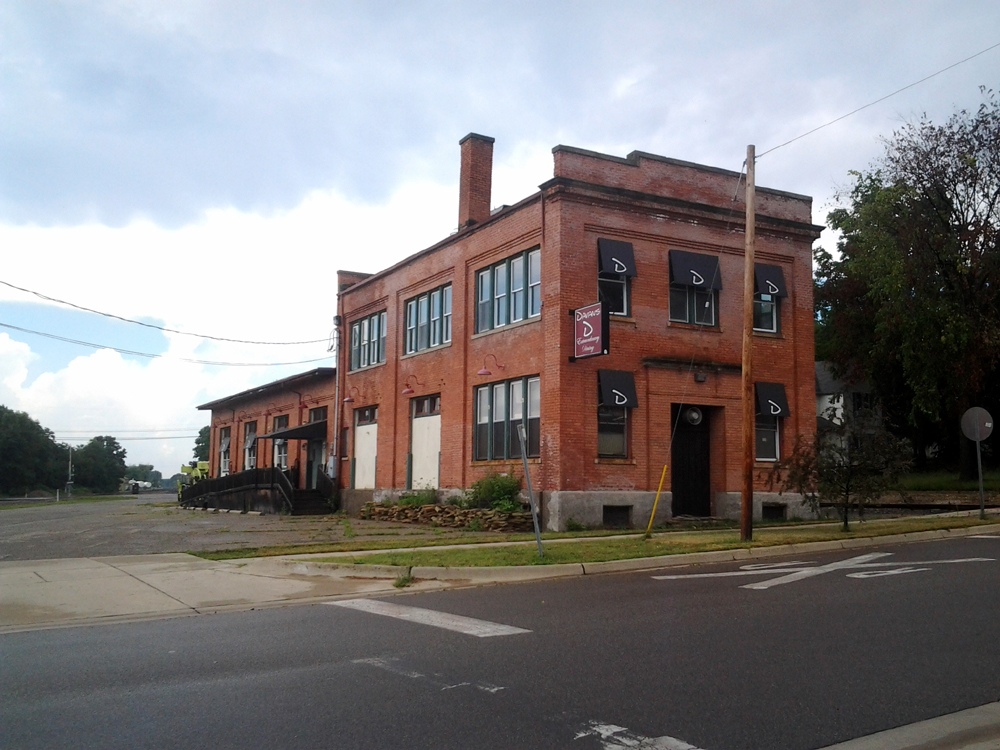
This freight building by the railroad station was converted to a restaurant and event space in the early 2000’s. A successor business to Gina’s by the Tracks appears to have taken over the space.
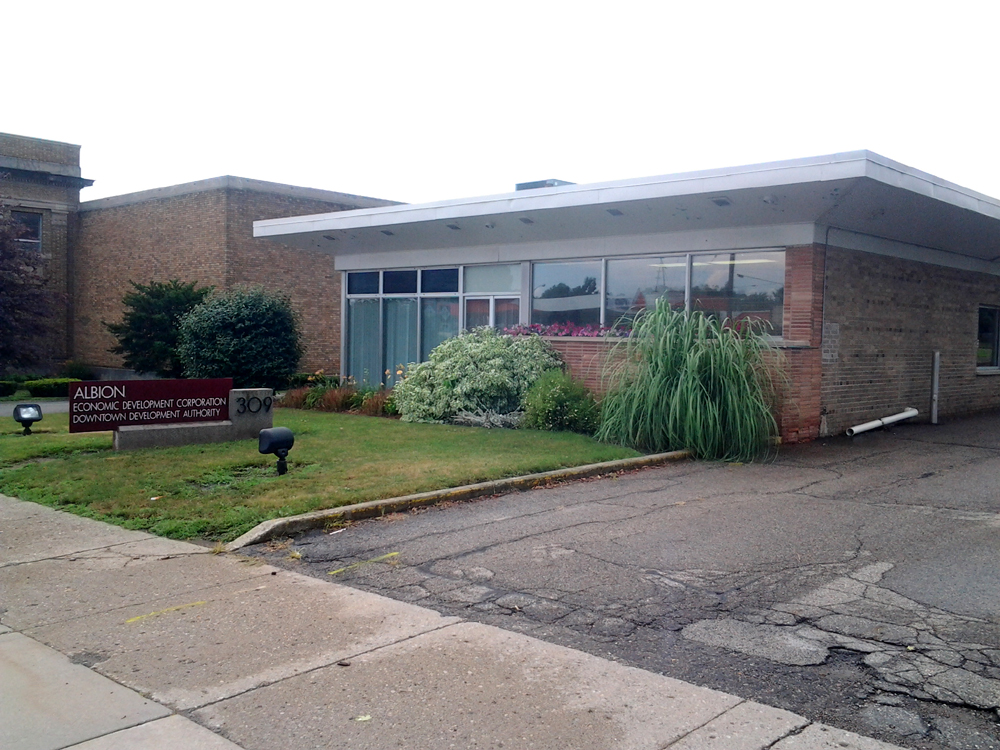
This former bank building was repurposed to be the home of the Albion Economic Development Corporation and the Downtown Development Authority.
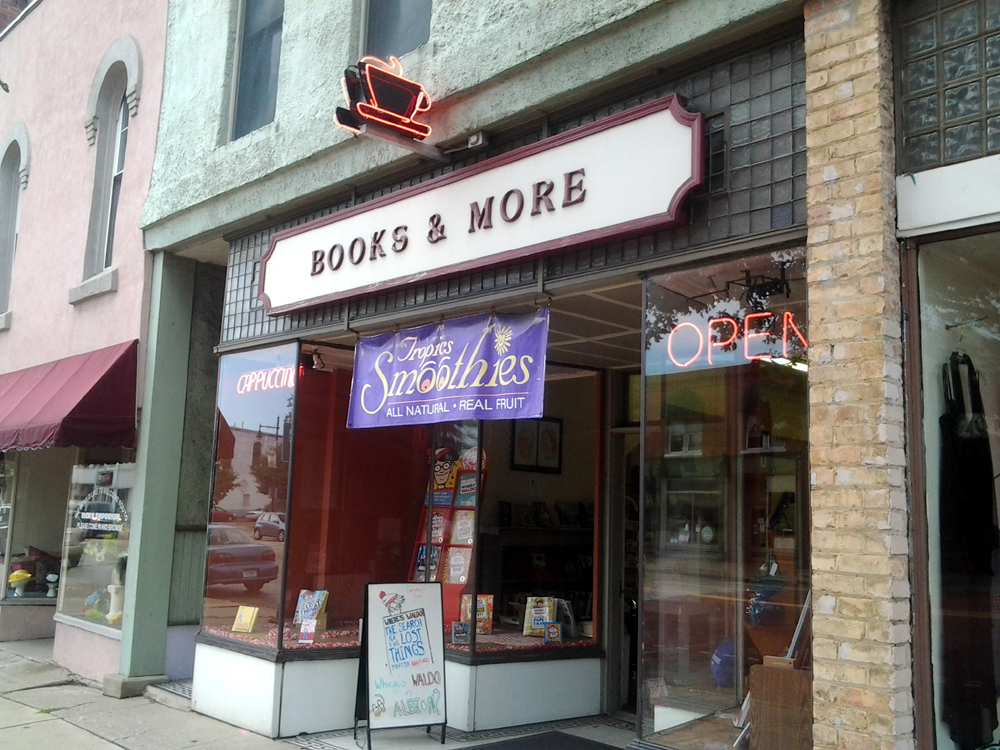
One sign of retail making a go at it downtown was the “Books & More” business.
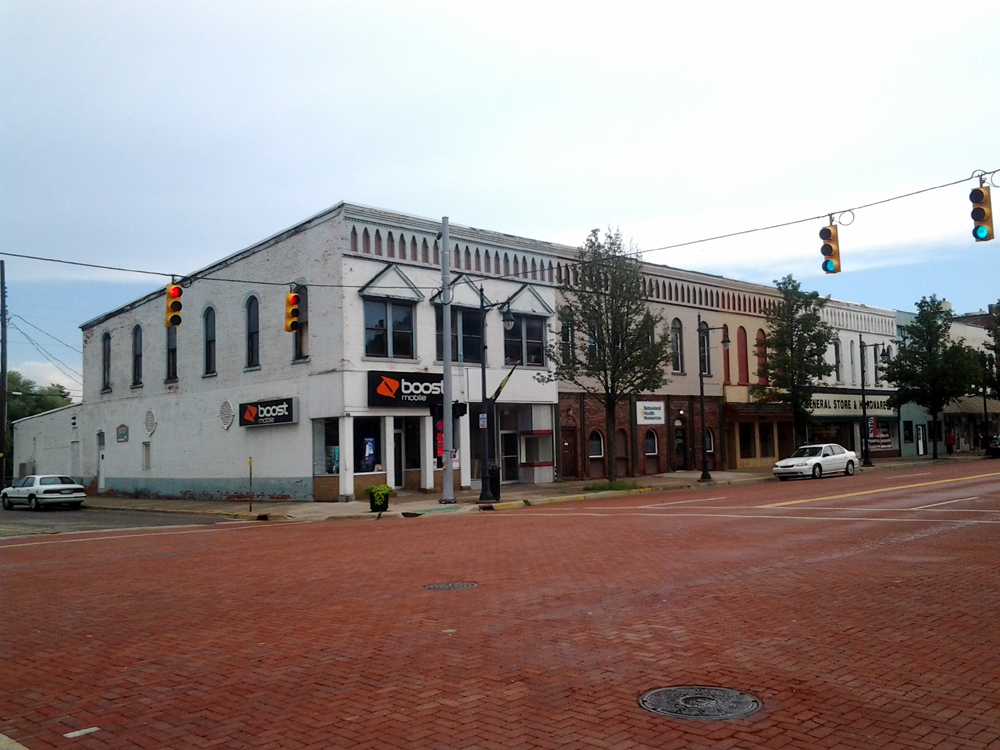
Across the street this handsome Italianate commercial building had a handful of businesses in it too. Noticeably absent was the Domino’s Pizza franchise from my student days.
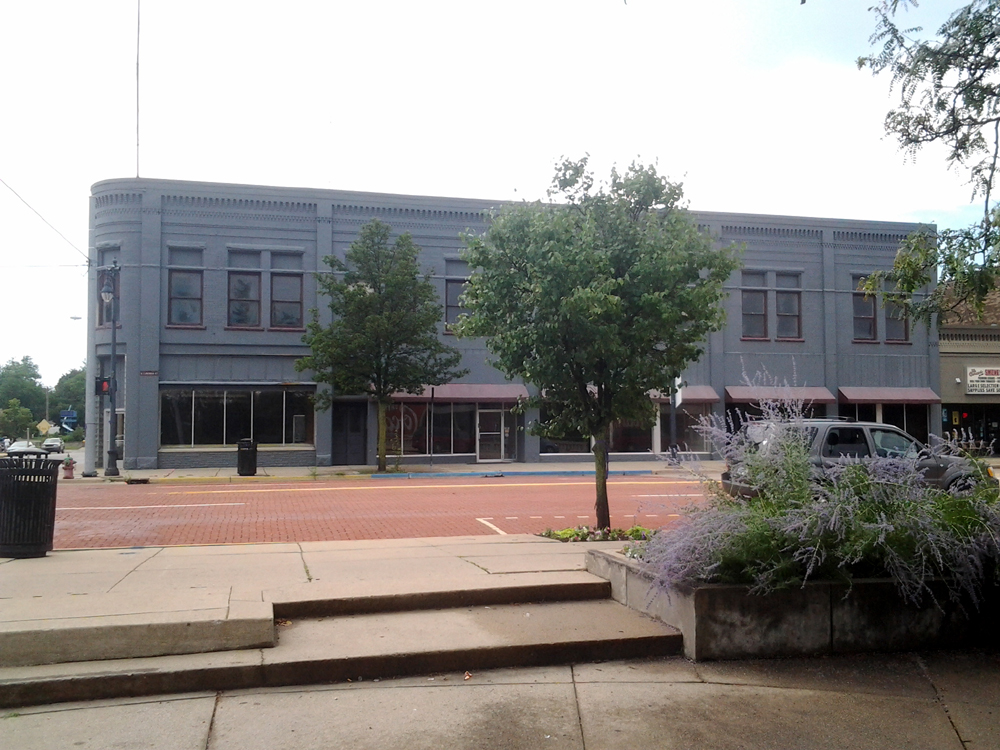
The William Kessler block was going through a repainting that unfortunately did not respect the architectural character very much. The dark paint against naturally dark windows, and no effort to bring out architectural features did little to add to the vibrancy downtown.
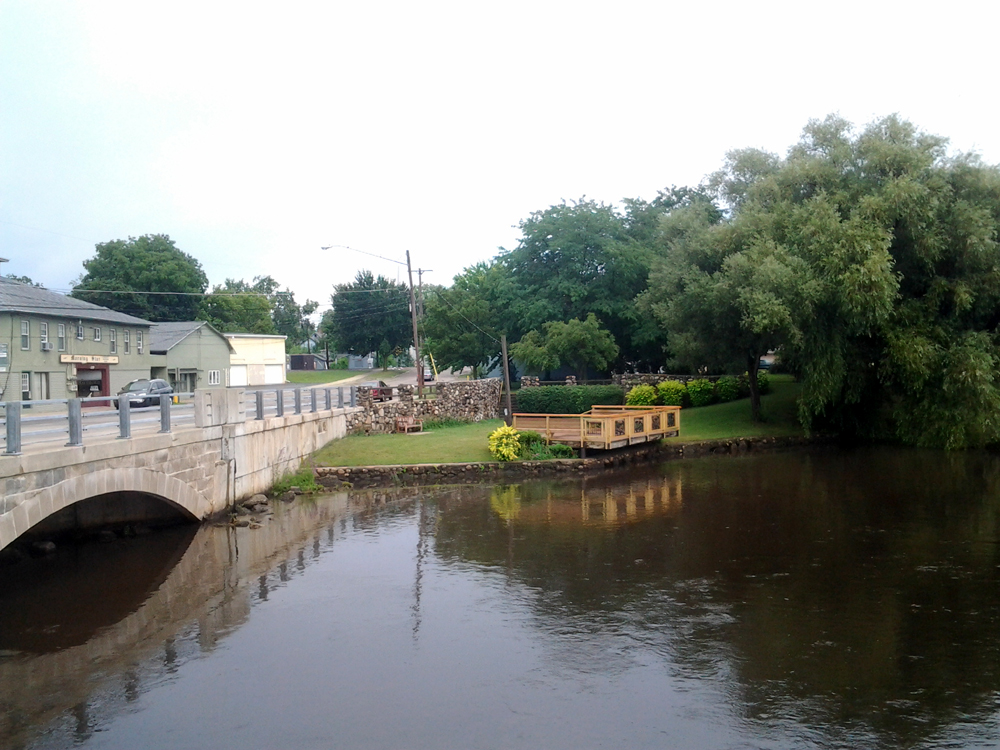
At the end of the Cass Street bridge facing in the direction of the Albion College campus is Lloyd Park. Across the street is a building that served as a lumber yard. The namesake of the park was an executive of a local company who also established the Albion Community Foundation.
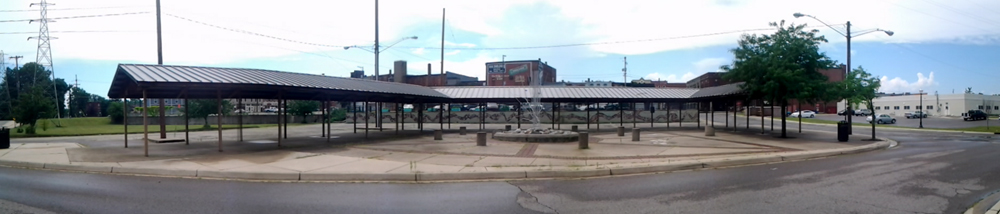
Another local industrialist, William Stoffer, was influential in building the market place on the edge of the downtown. The sheds and a sculptural element provided a space for market activities and community events to occur.
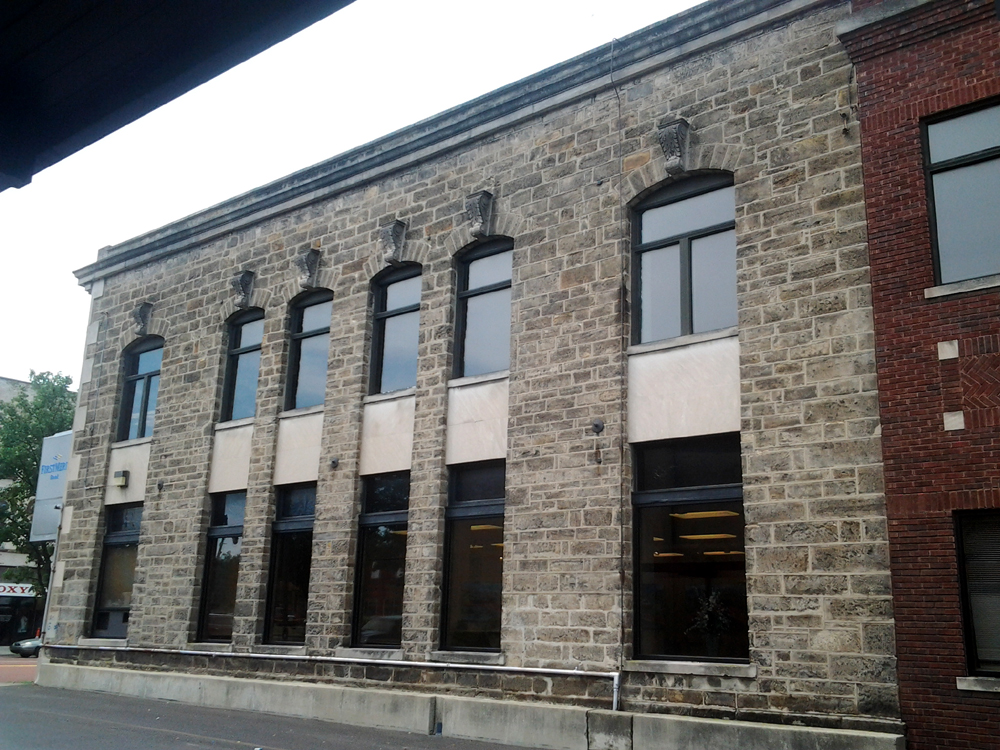
Which got me thinking about Jesse Crowell, the founder of Albion. In 1845 he built his Stone Mill downtown, portions of which still remain and were incorporated into a building that today houses a bank. Across the drivethrough from the bank was a new mural incorporating landmarks from Albion. Some of the landmarks included the Train Station, Observatory, Goodrich Chapel, the water tower, a building with a Coca Cola mural downtown, Kids ‘N Stuff, the Public Library, and the Victory Park Playground, the 1869 Opera House, the A.P. Gardner House, Victory Park Bandstand, Bohm Theater, Festival of the Forks, and numerous other houses.


The Festival of the Forks refers to the confluence of the north and south branches of the Kalamazoo River that meet in Albion. This coming together takes on a greater civic meeting about how residents and neighbors also come together and cooperate in Albion.

The Albion River Trail provides an opportunity to travel from the downtown to Victory Park enjoying sites along the way.
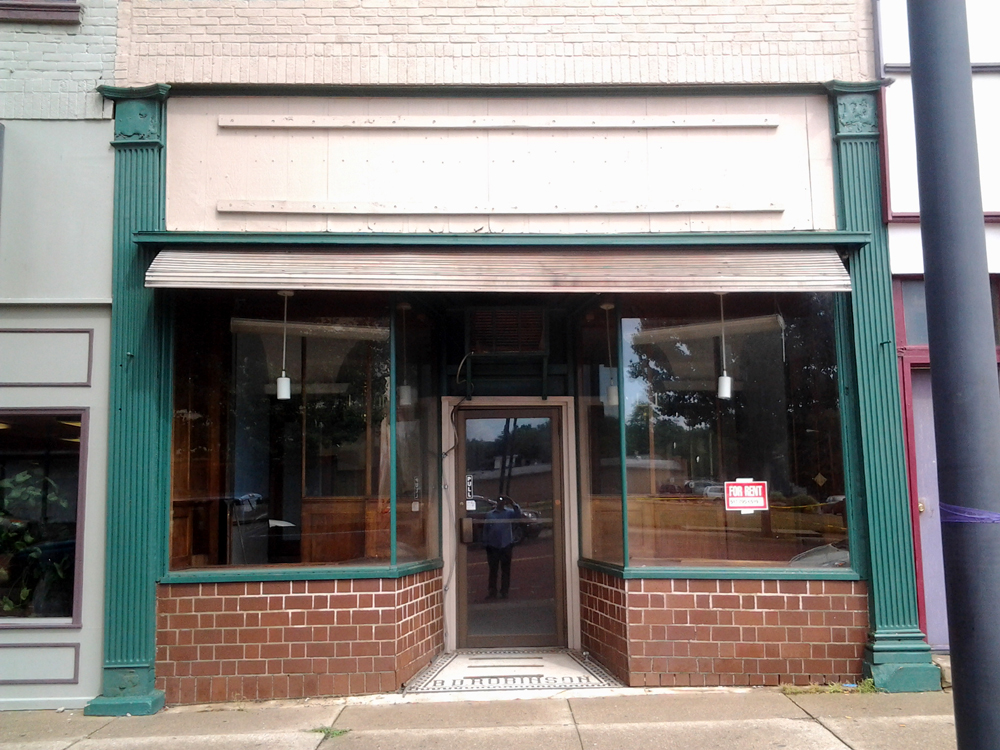
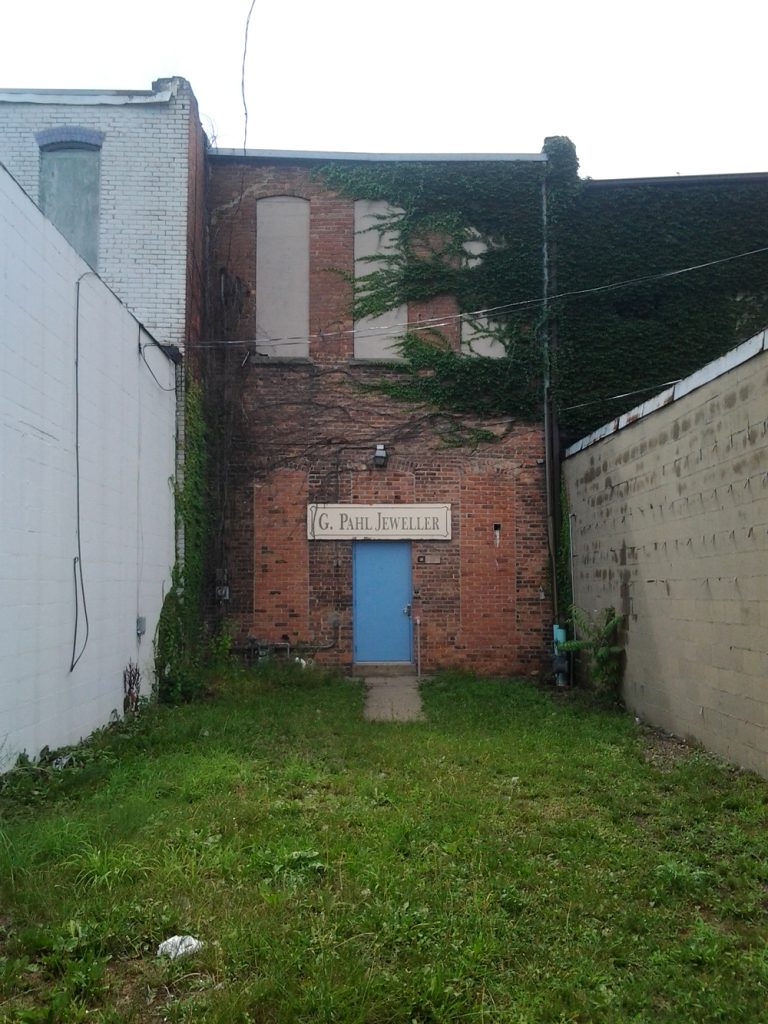
One of the last and most civically active business owners that I remembered from my days working in downtown Albion was Gordon Pahl. As a jeweler he had an attractive storefront. He also made a point to get involved with whatever was happening in downtown. It was somewhat bittersweet for me to see his store closed. Though the sign over the back door facing the alley was a happy reminder.
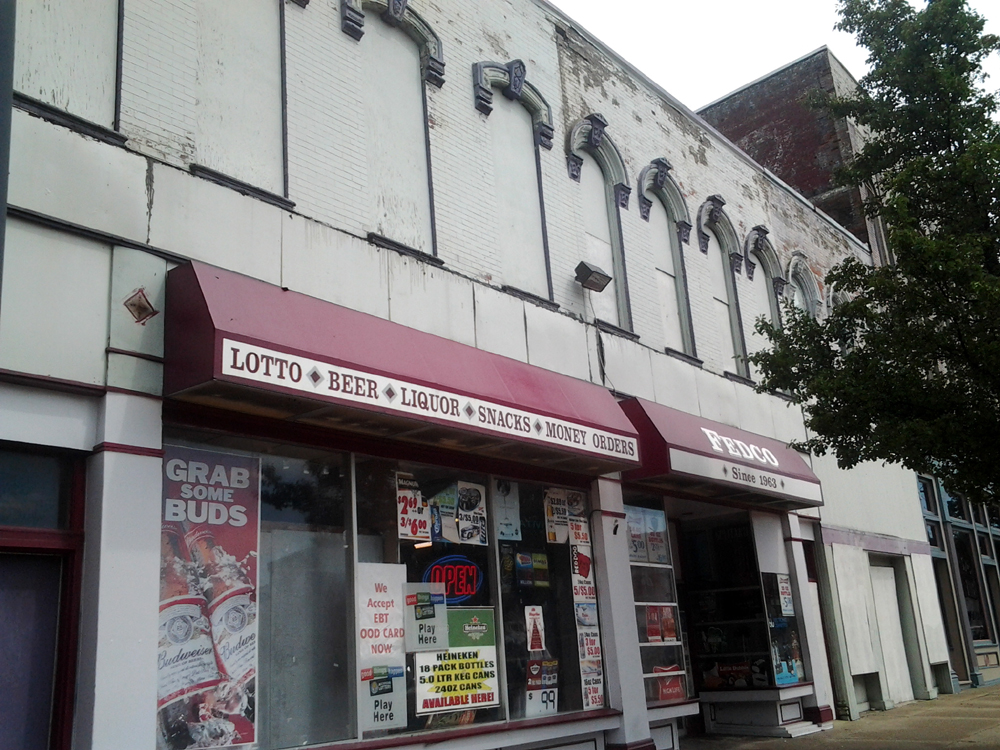
Fedco liquor store, while frequented by people from Albion College, occupied the lower portion of these once proud Italianate commercial buildings.

This block of buildings that once had an office supply store and a Subway restaurant only had limited time before being torn down to build a hotel. The three-story red brick building with white window hoods is called “Howard Hall.” This was a popular community gathering place in the 19th century. Later it was surpassed and eventually forgotten.
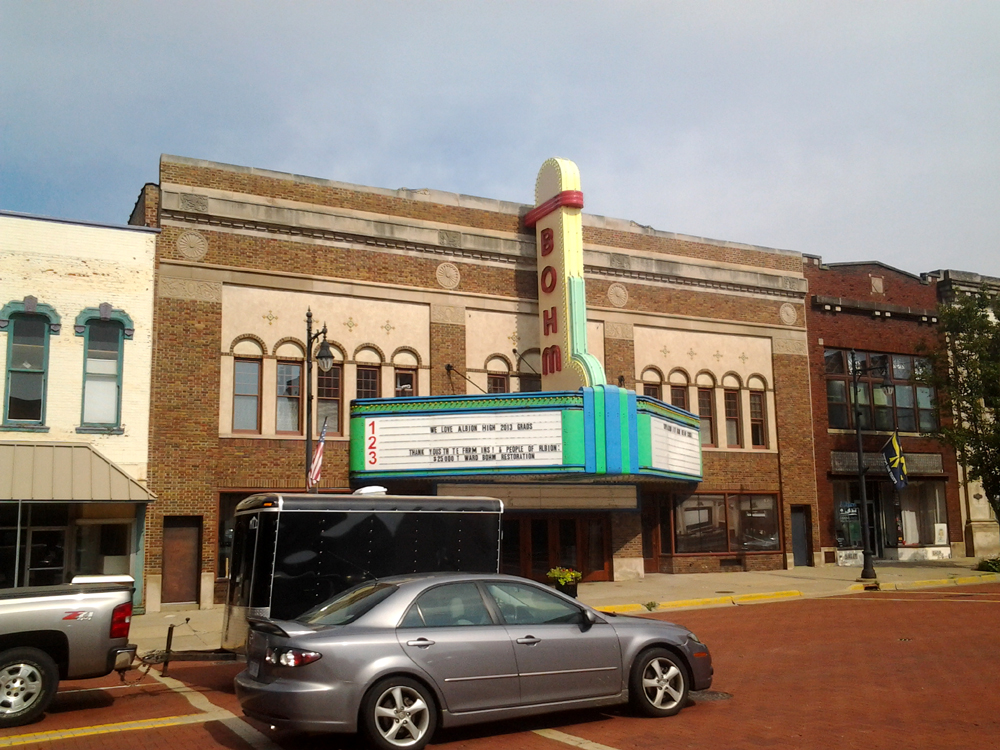
The Bohm Theater took its place as the primary gathering spot. Members of the Bohm family were quite musical. While a student around 2000, I saw several of their musical instruments in the attic of the A.P. Gardner House Museum. The Bohm at this point was still awaiting a much needed restoration.

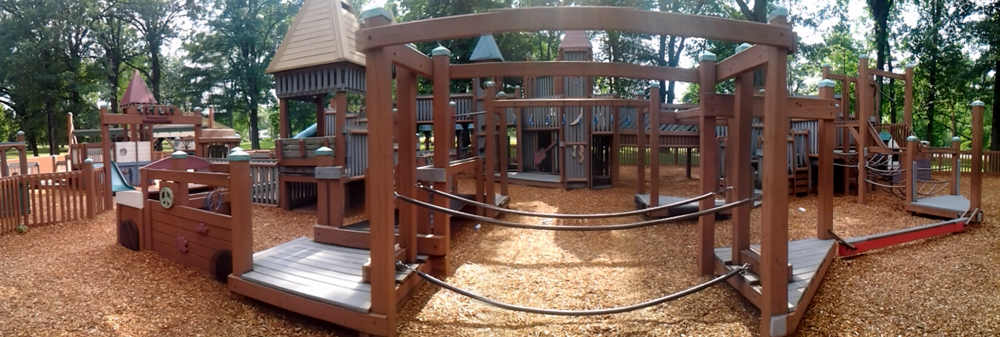
One final success was construction of the Victory Park kids playground. This was a major community undertaking requiring dozens of people to volunteer. I was happy to be on hand for this and actively involved in the construction. My wife and I took our kids here to burn some energy off before our presentation at the library.
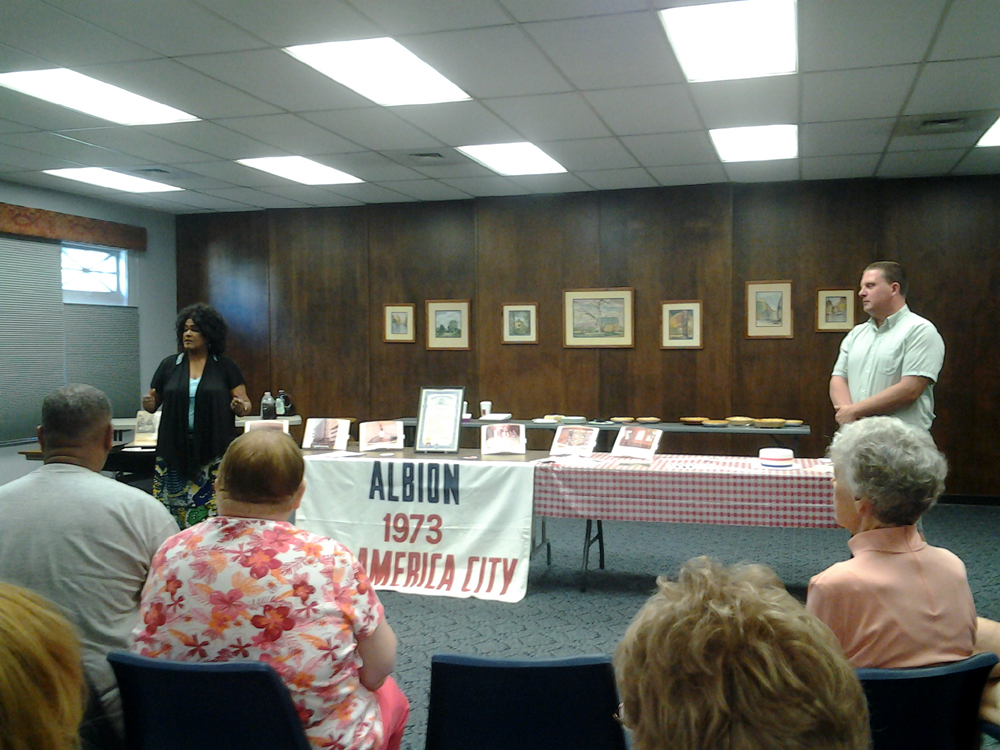
Respected neighborhood resident and minister Barb Gladney shares her story about the All-America City Award and what an important moment it was for the community.
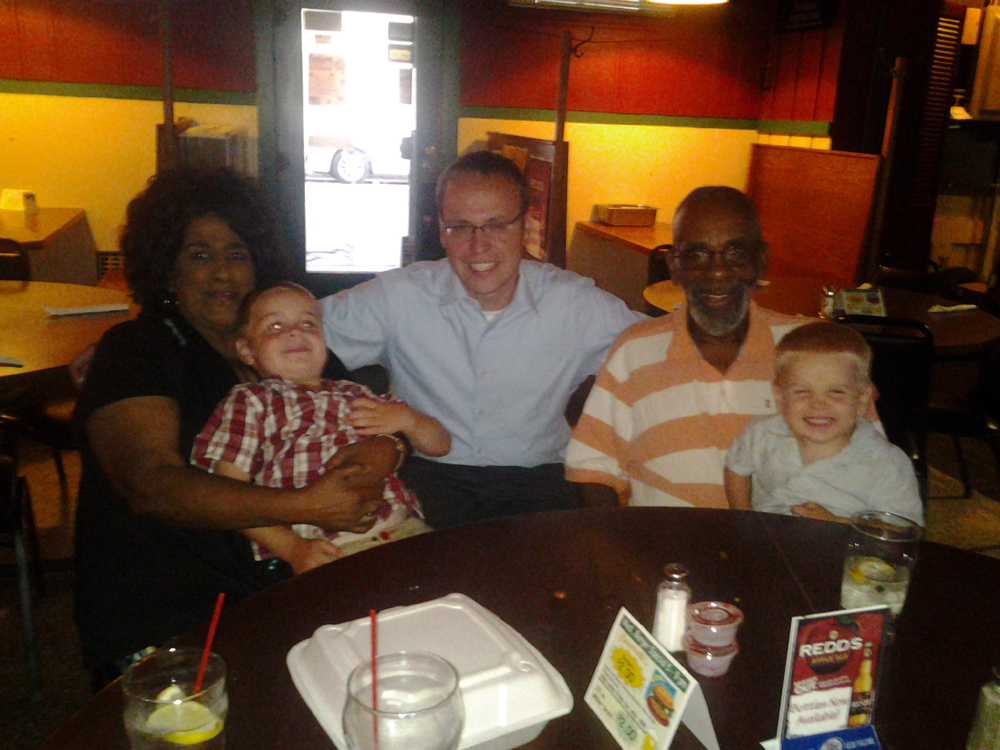
After the talk we went to Cascarelli’s for a little dinner and to further reminisce. I was happy to introduce my two kids to Barb and her husband Tom.