

Visit to Cornell – Ithaca, New York (2002)
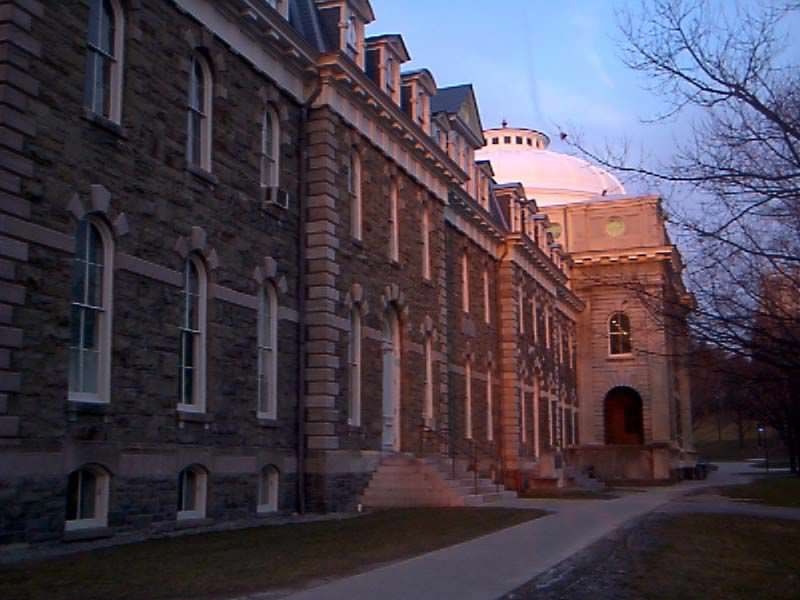
Sibley Hall is where I would end up spending an overwhelming majority of my academic time at Cornell.
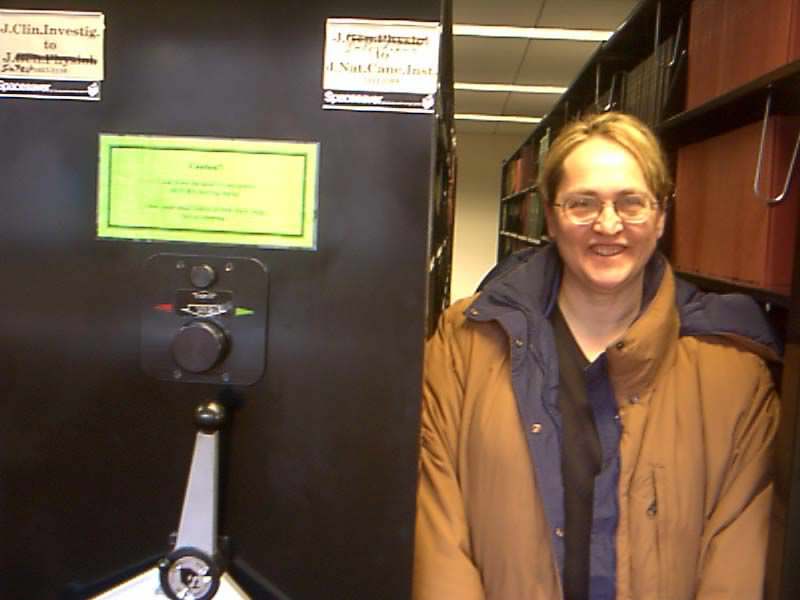
Visiting with my mom, we enjoyed exploring campus together. An educational aspiration of hers was to attend the veterinary program. While she ended up going to Michigan State University, she was excited for me to have an opportunity to study at Cornell.

We were visiting just as an ice sculpting event had ended and before the sculptures melted away. Here I am on the Ithaca Commons before it received a major retrofit and upgrade several years later.
Return Visit

A view months later, I visited again with my friend Johanna. We traveled by bus. Admired the Streamline marquee on the Greyhound station along the way.

This is me outside of the interior courtyard of the Lyon Hall cloister balcony, looking across the beautiful West Campus Gothic Complex (popularly known to students as the “Gothics” residential halls) toward the facade of McFaddin Hall. Built between World War I and the 1930s, this residential complex was intentionally designed in a rich Collegiate Gothic style to evoke the timeless prestige of classic European universities. The structures feature solid, rustic sandstone walls quarried from the local Finger Lakes region, paired with heavy limestone accents and steep slate-shingled gabled roofs. Lyon Hall is famously connected to its sister buildings via covered stone arches and elevated loggias, which look directly down into these hidden, grassy residential quads.
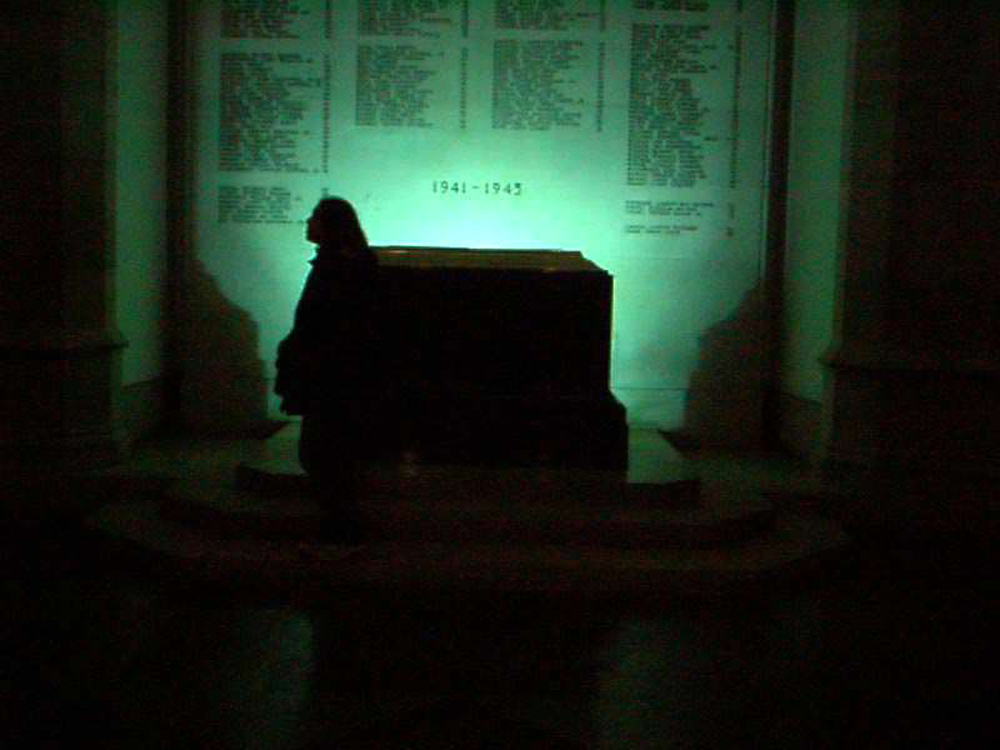
Memorial Chamber (or Memorial Room) located within the iconic War Memorial complex at Cornell University. Positioned at the north end of the Gothic cloister that links Lyon Hall and McFaddin Hall on West Campus. The wall in the background serves as a Roll of Honor, beautifully listing the names of the hundreds of Cornell students, alumni, and faculty members who lost their lives serving their country. The prominent text 1941–1945 centered on the wall commemorates those who fell during World War II, complementing the surrounding structure which was originally built and dedicated in the early 1930s to honor Cornellians lost in World War I.

Just to show that all of Cornell was not serious, this decal somewhere near Collegetown shows a hula hoop sticker on a pedestrian crossing sign.
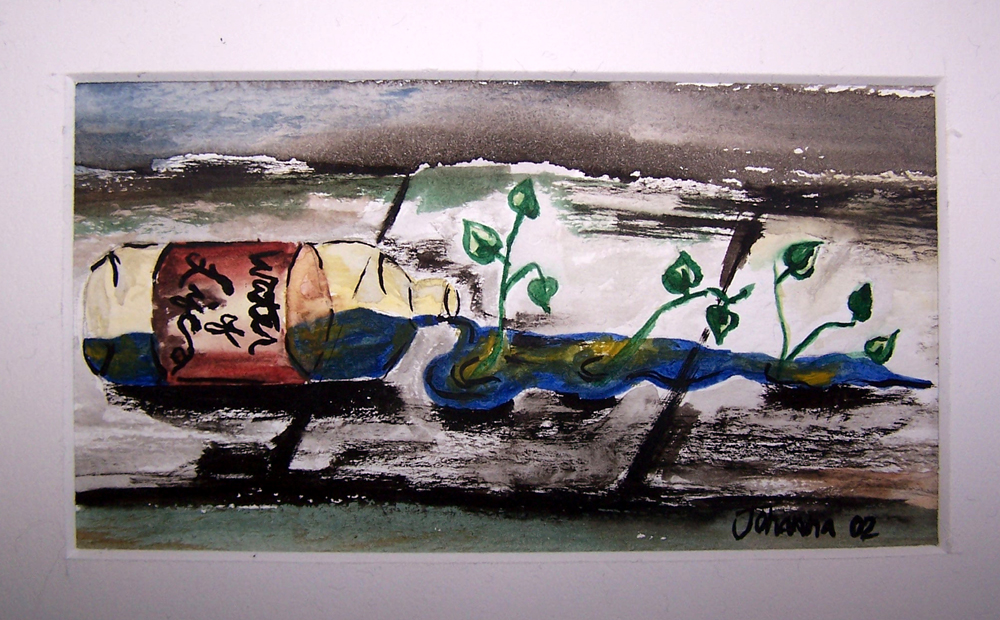
Afterwards, Johanna made this drawing for me, meant to represent the spilling out of ones’ “water of life” and ivy growing from the sidewalk. I’ve kept this as a framed drawing in my study, these many years later.