
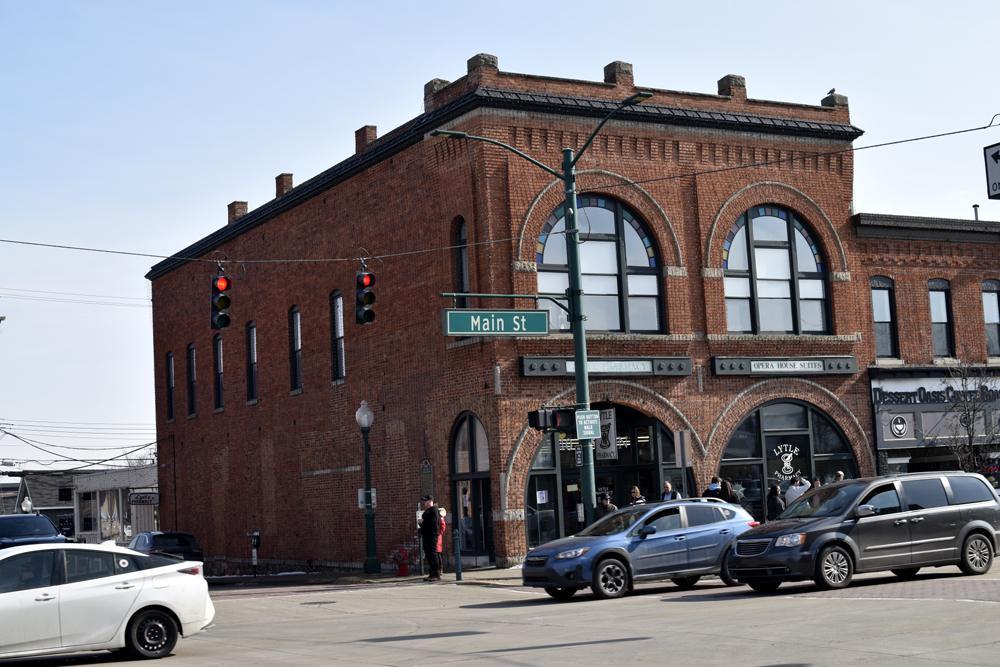
As used in the 19th and early 20th century, the name “opera house” was a deliberate cultural marketing strategy, not a statement of musical intent. These grand spaces were rarely, if ever, designed to host traditional Italian or German operas. The naming choice comes down to a few fascinating historical realities. During the Victorian era, the word “theater” carried a heavy social stigma. It was widely associated with rowdy crowds, low-brow vaudeville, burlesque, gambling, and drinking. For a growing, respectable town, building a “theater” would have drawn severe backlash from local church groups and conservative civic leaders. By naming the space an “Opera House,” builders immediately elevated the building’s reputation. “Opera” implied high society, moral refinement, European culture, and architectural prestige. It signaled to residents that the venue was a safe, sophisticated place to bring their families. In reality, these halls were built to be the Swiss Army Knives of rural community life. Because small towns didn’t have separate convention centers, high school gymnasiums, or municipal auditoriums, the local opera house hosted absolutely everything:
- Theatricals: Traveling minstrel shows, melodramas, and dramatic readings.
- Civic Milestones: High school graduation ceremonies and political rallies.
- Athletics: Roller skating, indoor baseball, and professional boxing matches.
- Socials: Community dances, masquerade balls, and benefit dinners.
True opera houses as we know them today require highly specialized architecture—massive orchestra pits, deep backstage wings, soaring fly lofts to change heavy scenery, and complex acoustic paneling designed for unamplified classical singing. The 19th century and early 20th century versions were built as a flat-floor second-story hall over ground-floor retail shops. They had a modest raised stage, but no orchestra pit or fly lines. They were designed for a crowd to pull up wooden folding chairs for a lecture, or clear them out completely to transform the room into a grand ballroom.
The deviation from historical use of this term and contemporary use illustrates how early American towns balanced strict social norms with the practical need for a vibrant community space (Kremer, 2026). Photo from Rochester, Michigan, 2026.
« Back to Glossary Index